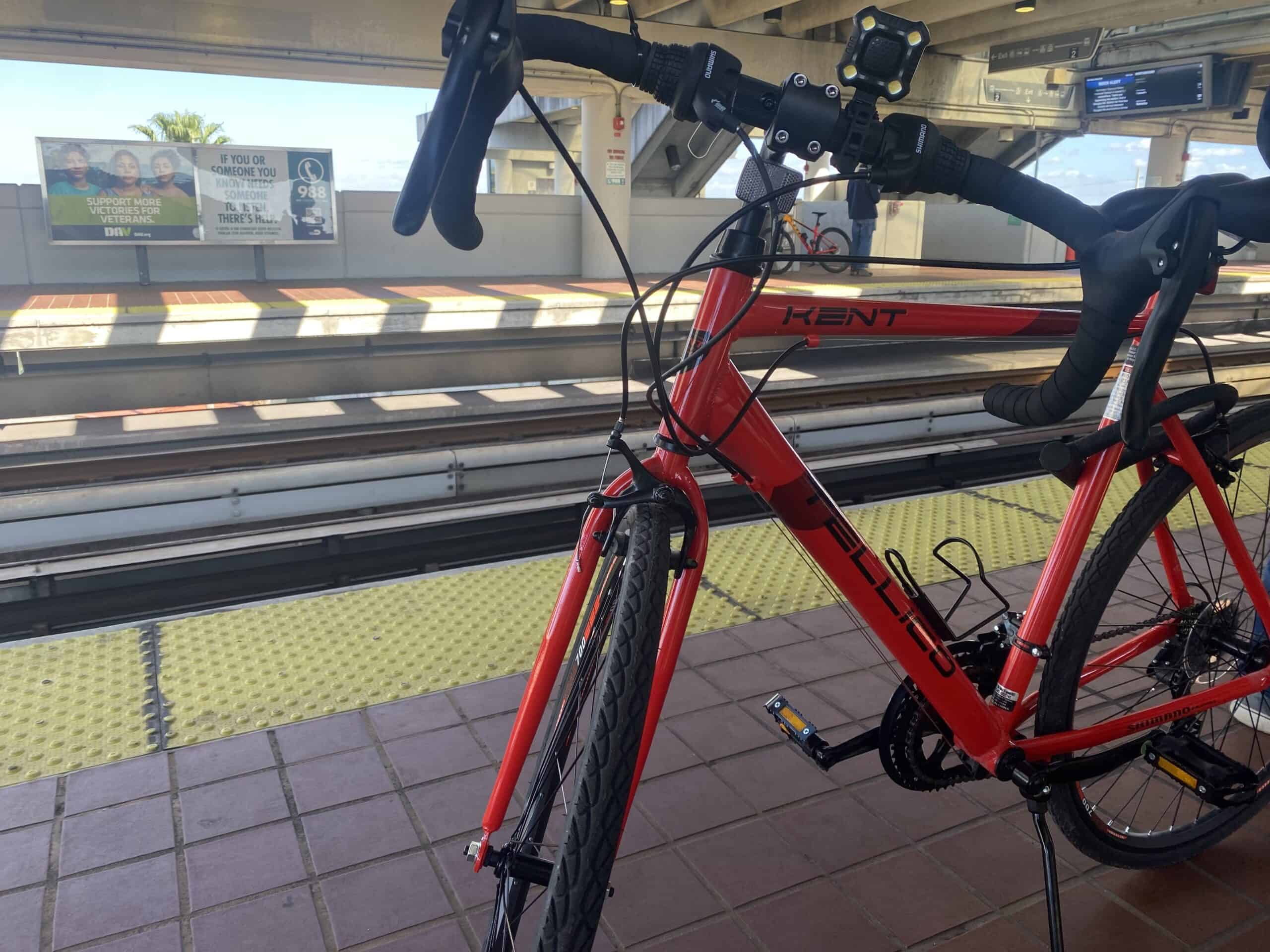
If you’ve ever seen road bikers, you’ll see them frequently gliding across smooth pavement, skinny tires, steady pedaling, but even more surprising to me, there’s a bit more going on than those and some tight dry-fit clothes. There’s a question I had thinking, “Why does this feel so fast… and so unstable?” That’s a common reaction.
I’m Caleb, and I’ve been cycling for the past seven years, and for the past year picked up a road bike and learned a lot about the mode and style of cycling. Road bikes are efficient, responsive, and built for speed, but they demand a bit of knowledge to ride comfortably and safely.
The good news? You don’t need to be a racer or gear nerd to enjoy road cycling. Once you understand the basics of bike fit, your bike seat, gear like fingerless cycling gloves, riding posture, cadence, and road awareness, everything clicks quickly. This guide breaks down road biking basics in a practical, beginner-friendly way, focused on proven cycling tips for road bikers, not theory. Whether you’re riding for fitness, commuting on that bike route, or weekend fun, this is where beginners need to start.
What Is Road Biking?
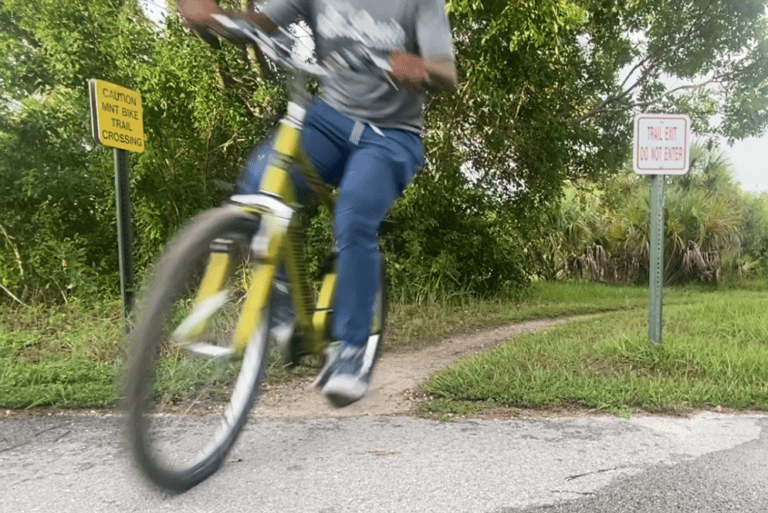
The first time I really understood what road biking was, I rode so many cheap hybrids sometimes on pavement and offroad, (the typical ones you see at walmart lol…) and got passed by someone on a proper road bike like I was standing still. No noise, no drama, just this quiet whoosh me in the bike lane, them in the middle of the streetand suddenly they were gone.
That stuck with me. Road biking isn’t just riding a bike on the road, it’s a very specific style of cycling built around efficiency, speed, and covering distance on pavement.
That design choice explains why road bikes are so dialed for pavement and speed. The frame geometry puts you in a slightly leaned-forward position, which helps with aerodynamics. The narrow tires, usually inflated to higher pressure, reduce rolling resistance on smooth roads. Surprisingly I had to fill up my tires a lot though when it came to my experience!
I remember thinking the bike felt unstable, like it wanted to fall over if I stopped paying attention. But uter a few rides, it clicked. The bike wasn’t unstable, it was just responsive. One of the biggest misconceptions beginners have about road cycling is that it’s only for racers or super fit athletes, or having the knee straps, expensive MIPs helmets all the boxes checked (nope.)
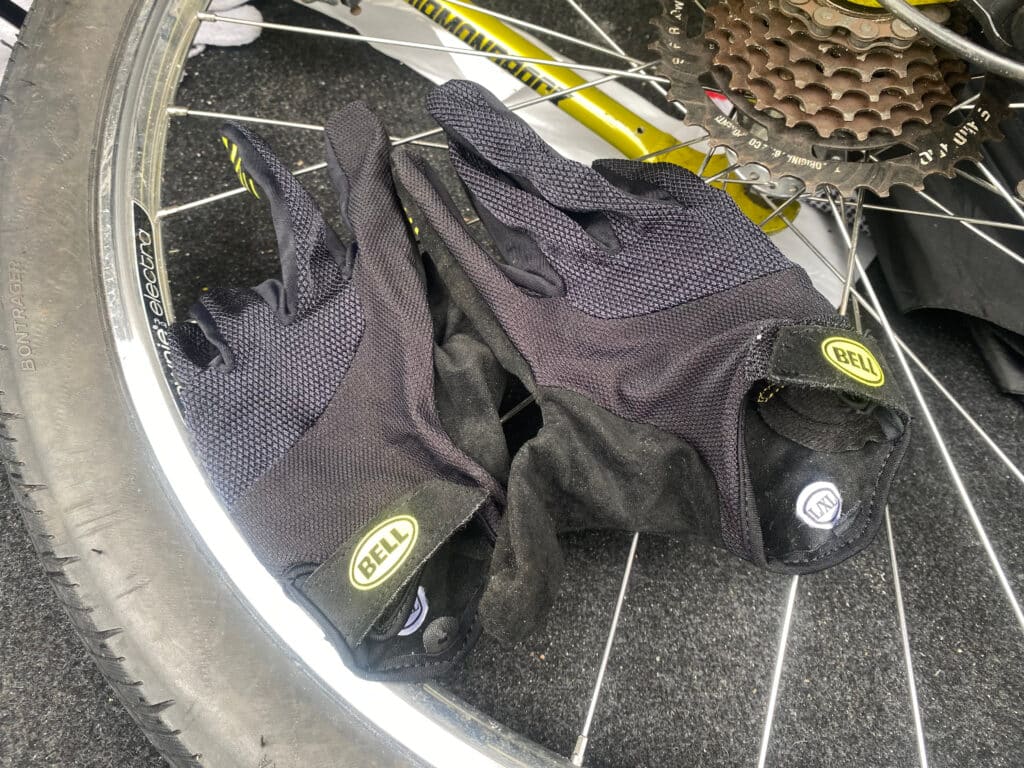
That couldn’t be further from the truth. Yes, you see people in tight kits going hard, but road biking at its core is just about riding efficiently on roads. You can ride easy, take breaks, and build fitness gradually. Another misconception is that road biking is inherently dangerous because of cars. Traffic is real, sure, but good road awareness, predictable riding, and basic cycling safety habits go a long way. Most close calls I’ve had came from my own inexperience, again lack of air in my bike over aggressive drivers.
People also think road biking is uncomfortable by default. The saddle looks tiny, the bars are low, and it all seems intimidating. I thought that too. Turns out, most discomfort comes from poor bike fit and bad habits, not the bike itself. Once I adjusted saddle height, learned how to use different hand positions, and stopped gripping the bars like my life depended on it, comfort improved a lot. It wasn’t instant, but it was noticeable.
As for who road biking is best suited for, honestly, it’s a wider group than people expect. It’s great for anyone who wants a low-impact way to build cardio fitness. It works well for commuters who want speed and efficiency like I was doing when I was in college. It’s perfect for riders who enjoy long, steady efforts and watching the miles add up. You don’t need to be fast or competitive to enjoy it. If you like the idea of covering distance, feeling the rhythm of pedaling, and getting into that quiet, focused headspace, road biking makes a lot of sense.
Road biking isn’t about showing off or suffering for no reason. It’s about moving efficiently through space on a bike that’s designed to do exactly that. Once you understand that, the whole thing feels way more approachable.
Difference between a Regular bike?
The biggest difference between road bikes and other bikes shows up the moment you start pedaling. Road bikes feel sharp. They accelerate quickly, and they usually have more than 7 speeds around 11 – 12 and work very well when it comes to hills in practice. respond instantly to small movements, and seem almost eager to move forward. That’s not an accident. Compared to hybrids, cruisers, or mountain bikes, road bikes are stripped down to prioritize efficiency.
There’s no suspension soaking up energy, no wide knobby tires dragging on the pavement, and no upright posture catching wind. When I first switched from a hybrid, I remember being shocked at how much less effort it took to maintain speed. Same legs, same road, totally different result. The aggressive geometry of the bike as well isn’t about discomfort, it’s about power transfer and control at speed. Once things are adjusted correctly, it starts to feel purposeful instead of punishing and you get used to the gearing system.
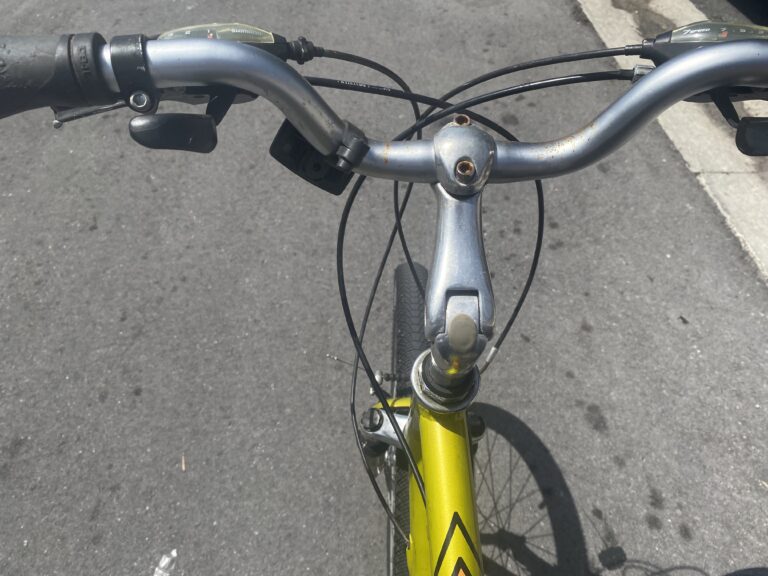
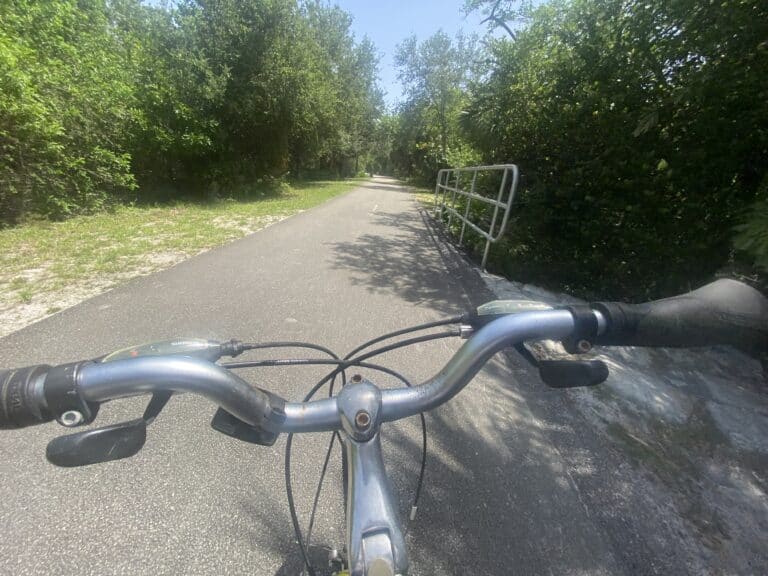
Drop handlebars are another thing that confuse beginners, and honestly, they confused me too. They look complicated, like something only experienced riders should touch. But drop bars are actually one of the most versatile parts of a road bike. You’ve got multiple hand positions: tops for relaxed riding, hoods for most everyday riding, and drops for descending or headwinds. Early on, I stayed glued to the tops because the drops felt scary. Trust… you literally CANNOT brake if you’re on the top. Once I learned to ride on the hoods properly, everything felt more stable and natural. The ability to change hand positions also reduces fatigue, which matters a lot on longer rides.
Gearing is another area where road bikes seem overkill at first. So many gears. So many clicks. I remember thinking, why do I need all of this? But road biking is all about maintaining cadence, especially over varying terrain. Those closely spaced gears let you fine-tune your effort instead of grinding or spinning wildly. Once I stopped mashing big gears and started shifting more often, rides felt smoother and my legs lasted longer. It’s one of those skills that feels fiddly at first, then becomes second nature.
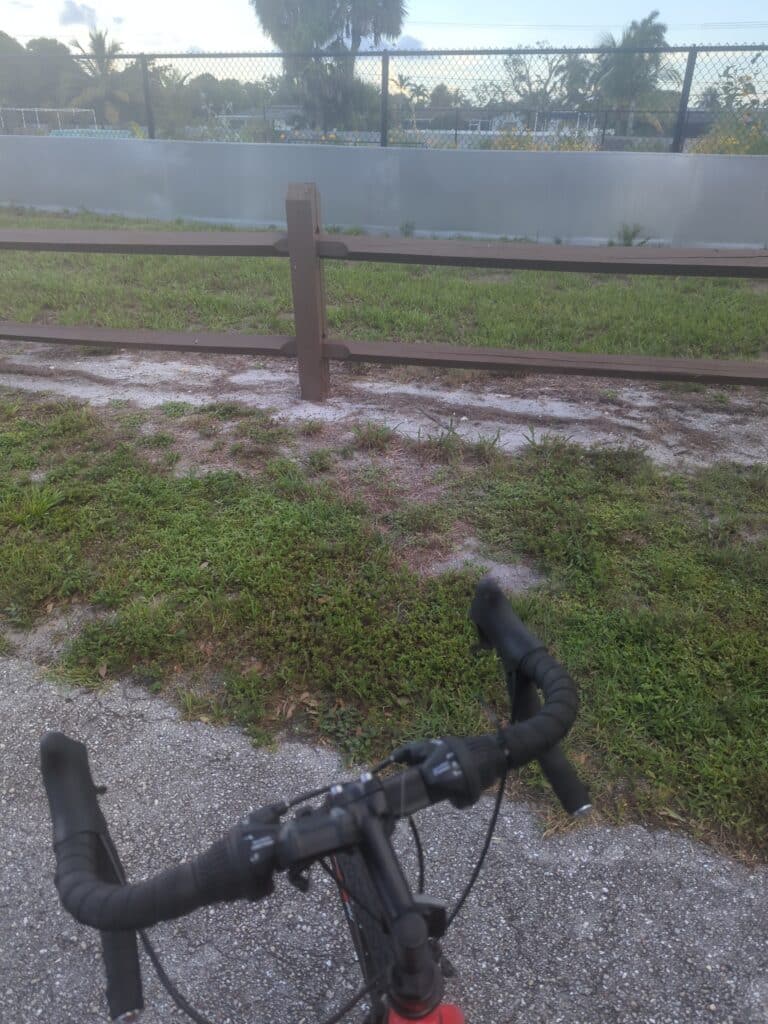
Tires are the last big piece people misunderstand. Road bike tires are narrow and run at higher pressure compared to other bikes. That sounds uncomfortable, and I assumed wider would always be better. But on smooth pavement, narrow tires at the right pressure actually roll faster and feel more efficient. These tires are so light and amazing, That said, pressure matters a lot. I’ve overinflated tires before and felt every crack in the road, and I’ve underinflated them and wondered why the bike felt sluggish. Finding the right balance took trial and error, and honestly, a few bad rides.
Once you understand how each part of a road bike works together, the whole design makes sense. It’s not aggressive for the sake of it. It’s focused. And when everything is dialed, the bike stops feeling intimidating and starts feeling like it’s working with you instead of against you.
How to Choose the Right Road Bike
What I learned, after a few wrong turns and one bike I probably shouldn’t have bought, is that choosing the right road bike has a lot less to do with hype and a lot more to do with how and where you actually plan to ride. Also don’t try to save a whole bunch of money on a cheap bike, its never worth it. I had one that fell apart in 4 – 6 months with a broken derailleur.
Entry-level versus mid-range road bikes is usually the first fork in the road. Entry-level bikes are often labeled as “beginner,” which makes them sound limiting, but that’s not really fair. Most entry-level road bikes are incredibly capable and more than enough for someone just getting started. They tend to use slightly heavier components and simpler drivetrains, but they’re durable and forgiving, I recommend they have some decent quality pieces like a good Shimano brake, gear system all put together with a solid structure.
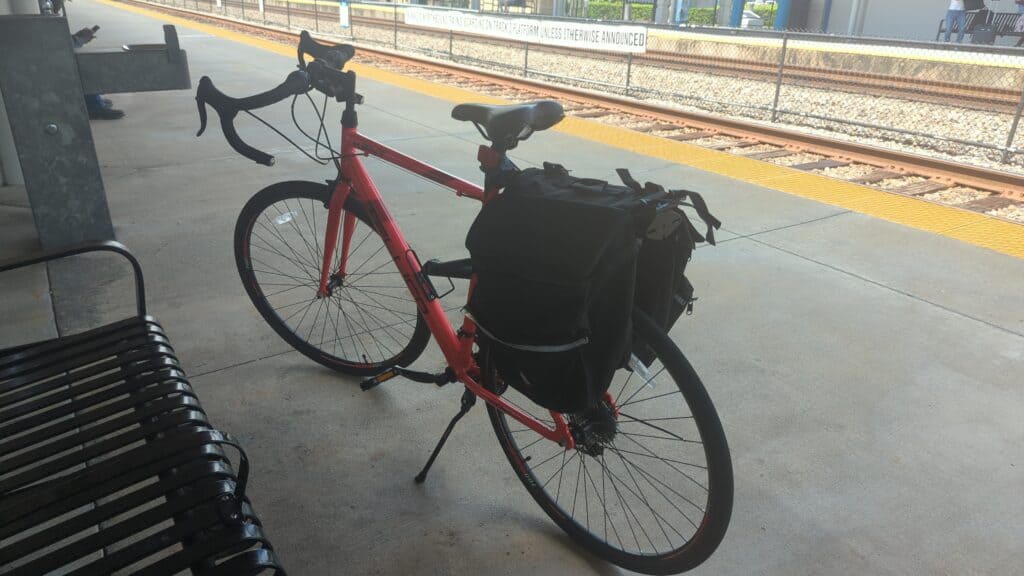
Mid-range bikes usually feel lighter, shift a bit smoother, and soak up road buzz better, but they’re also more expensive. The mistake I made early on was assuming I needed mid-range gear to enjoy riding. I didn’t. I needed miles, not marginal gains. Frame material is another thing people obsess over, especially aluminum versus carbon. Aluminum frames get a bad reputation for being harsh, but modern aluminum is a lot better than people think. It’s strong, relatively light, and affordable.
Carbon frames, on the other hand, are lighter and can be tuned to feel smoother over rough pavement. They sound amazing on paper. The truth is, as a beginner, you’re far more likely to notice a bad fit than the difference between aluminum and carbon. I’ve ridden cheap aluminum bikes that felt great and expensive carbon bikes that felt awful because they didn’t fit me properly.
New versus used road bikes is the final decision. New bikes offer peace of mind, warranties, and modern standards. Used bikes can offer incredible value if you know what to look for. I’ve bought used bikes that were fantastic and others that turned into money pits. If you go used, inspect the frame carefully, check for drivetrain wear, and budget for a tune-up. Sometimes a good used bike plus a professional fit beats a shiny new one straight off the floor.
Choosing the right road bike isn’t about chasing the “best” option. It’s about choosing the bike that fits your body, your riding goals, and your budget. When you get that right, the rest tends to fall into place.
Basic Road Biking Position and Posture
Position and posture affect everything comfort, efficiency, confidence, even how long you actually want to stay on the bike. Most of the aches people blame on road biking aren’t inevitable. They’re posture problems.
Proper saddle height is usually the first thing to get wrong. I definitely did. Too low and you feel like you’re mashing the pedals, legs burning early, hips sinking into the saddle. Too high and you start rocking side to side just to reach the bottom of the stroke. That rocking causes saddle soreness, knee irritation, and lower back fatigue. The sweet spot is when your leg has a slight bend at the bottom of the pedal stroke, not locked out, not cramped. I didn’t nail this right away. It took a few rides, a few tweaks, and honestly some trial and error before it felt natural.
Reach (how your torso connects to the bike plus handlebars,) go hand-in-hand with saddle height. If you’re stretched too far, you’ll feel it in your neck, shoulders, and hands almost immediately. If the reach is too short, you feel cramped and unstable. Overtime I found my very own upper body was doing extra work it didn’t need to. Once I shortened the reach a bit, everything relaxed.
Most beginners death-grip the bars without realizing it. I did. White knuckles, tense shoulders, stiff elbows. All that tension travels straight into your neck and hands. A simple cue that helped me was checking if I could lightly wiggle my fingers while riding. If I couldn’t, I was gripping too hard. Bent elbows, soft hands, and relaxed shoulders make a massive difference over longer rides.
Neck, hand, and lower back pain are common complaints, but they’re not normal. Neck pain usually comes from craning your head up too much or being too stretched out. Hand numbness often comes from too much weight on your hands or locked elbows. Lower back pain can come from poor saddle height or weak core engagement. I’ve dealt with all three at different times, and every single one improved with small position changes rather than “just riding through it.”
The most common posture mistakes beginners make are stacking problems on top of each other. Saddle too high, reach too long, bars gripped too tight, and suddenly road biking feels miserable. Make sure to get a multi-tool which is also similar to a mountain bike gear checklist. The fix is rarely dramatic. It’s small adjustments, one at a time, and paying attention to how your body responds. Once posture starts working with you instead of against you, road biking becomes way more enjoyable.
Pedaling, Cadence, and Gearing Basics
This was one of those areas where I thought I was doing fine… until I wasn’t. Early on, I assumed pedaling hard meant pushing big gears and feeling the burn. If my legs hurt, I figured I was working. That mindset lasted about a month before I started finishing rides completely cooked, wondering why my endurance wasn’t improving. Cadence and gearing were the missing pieces, and once I understood them, road biking felt like a different sport.
Cadence, in simple terms, is how fast you’re pedaling, usually measured in revolutions per minute. Most beginners pedal slower than they should, grinding away in heavy gears. I did that too. It felt powerful at first, but it absolutely wrecked my legs. Road cycling generally rewards a higher cadence, usually somewhere around 80–95 rpm for most riders. When I started paying attention to cadence instead of speed, my rides became smoother and way less exhausting.
Learning how to shift efficiently took longer than I expected. Road bikes have a lot of gears, and at first it felt like overkill. I’d either shift too late or panic-shift under heavy load, which made everything clunky and loud. What finally clicked was realizing that shifting is about anticipation, not reaction. You want to shift before the hill gets steep, not when your legs are already screaming. Once I started shifting early and often, pedaling felt controlled instead of desperate.
A higher, consistent cadence spreads the workload across your cardiovascular system instead of overloading your muscles. That means you can hold pace longer without your legs giving out. When I started riding with a steadier cadence, my average speed improved without me “trying harder.” It felt almost accidental, which was frustrating at first but also kind of amazing.
The biggest mistake beginners make with pedaling and gearing is treating it like brute force. Road biking rewards rhythm, not aggression. You don’t win by smashing the pedals; you win by staying smooth and efficient. Once cadence, gearing, and pedaling start working together, riding feels less like a fight and more like a flow. That’s when road biking really starts to make sense.
Road Biking Safety and Traffic Awareness
This was the part of road biking that made me the most nervous at the beginning, and I know I’m not alone in that. Riding next to cars feels intimidating, especially if your background is trails or quiet bike paths. I remember my first few road rides being tense the entire time, shoulders up around my ears, constantly checking over my shoulder. What helped wasn’t bravery. It was learning how road biking safety actually works and realizing that predictability matters more than speed or confidence.
Hand signals and communication sound basic, but they’re easy to forget when you’re focused on staying upright and moving forward. I definitely forgot to signal more than once early on. Now, signaling turns, pointing out hazards, and making eye contact when possible are second nature. A simple hand signal tells drivers what you’re about to do, which reduces surprises. Even a quick glance or nod can communicate intent in ways you don’t realize until you start paying attention.
Intersections are where most close calls happen. Cars turning right across your path, rolling through stop signs, or pulling out without seeing you are common scenarios. I’ve learned to assume I’m invisible at intersections, even when I technically have the right of way. Slowing slightly, covering the brakes, and making eye contact have saved me more than once. Bike lanes help, but they’re not a guarantee. Some are well-designed and protective. Others just funnel you into conflict zones if you’re not careful.
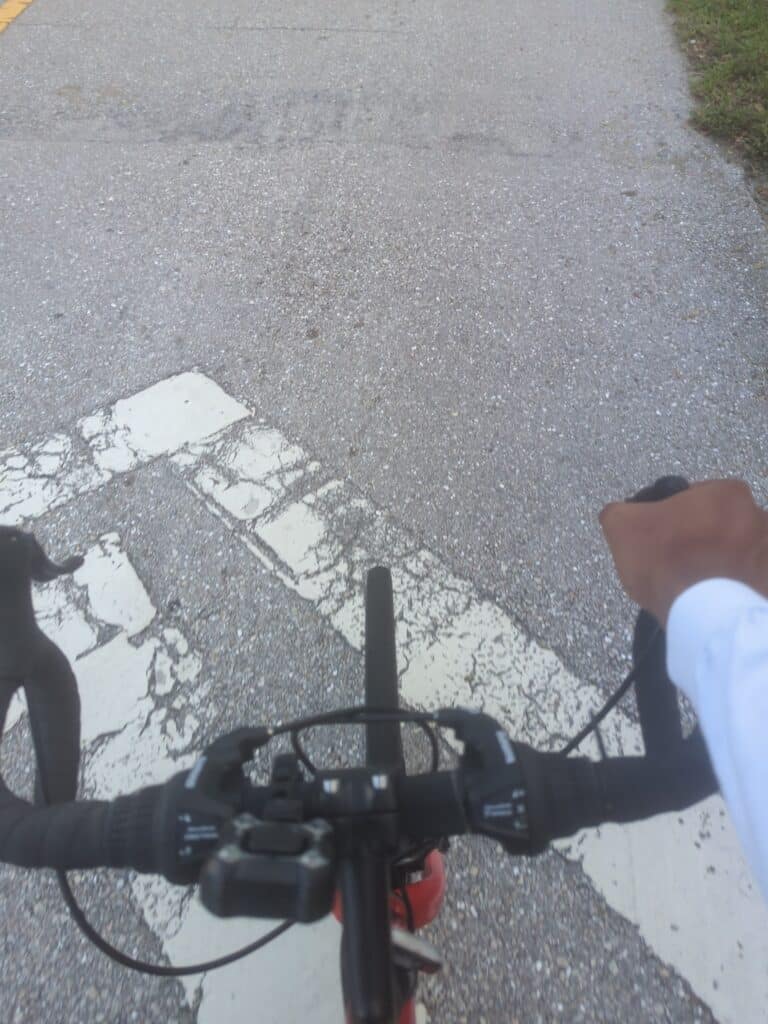
Understanding road biking laws is another area beginners tend to ignore, and I did too at first. Knowing when you’re allowed to take the lane, how stop signs apply, and where bikes are legally allowed to ride builds confidence. Laws vary by location, but the basics are usually similar. Once I learned them, I stopped second-guessing myself and rode more decisively.
Road biking safety isn’t about being fearless. It’s about being informed, visible, and predictable. Once those pieces come together, riding in traffic feels far less chaotic and a lot more manageable.
Road Biking Fitness and Endurance Basics
When I first started road biking, I made the classic mistake of thinking more was always better. More miles, more effort, more sweat. If I wasn’t exhausted at the end of a ride, I felt like it didn’t count. That mindset didn’t last long. Within a few weeks, my legs felt heavy all the time, motivation dropped, and rides started feeling like chores instead of something I looked forward to. Learning how road biking fitness actually works was a turning point.
For beginners, how often you ride matters more than how hard you ride. Most people do best starting with two to four rides per week. That gives your body enough stimulus to adapt without overwhelming it. Early on, I tried riding five or six days a week because I was excited, but it backfired taking the bus as a commuter. Once I backed it down and focused on consistency instead, my fitness improved faster. Regular riding beats occasional heroic efforts every time.
Building endurance without overtraining is all about patience. Endurance comes from time in the saddle, not suffering. Longer, steady rides at an easy pace are what build the aerobic base that road biking relies on. I used to avoid easy rides because they felt “too easy.” Turns out, those rides are where the real fitness happens. When you finish a ride feeling like you could’ve gone a bit longer, that’s a good sign, not a wasted effort.
Understanding the difference between easy rides and hard rides made everything clearer for me. Easy rides should feel conversational. You should be able to talk in full sentences without gasping. Hard rides, on the other hand, are where you push limits—short intervals, hills, or sustained efforts that leave you breathing hard. The mistake I made early was turning every ride into a medium-hard effort. That gray zone feels productive but leads to burnout fast. Separating easy days from hard days helped my endurance jump without wrecking my legs.
Recovery and rest days are where fitness actually locks in, and this is something I ignored for way too long. I thought rest meant losing progress. In reality, rest is when your body adapts to the work you’ve done. I started scheduling at least one full rest day each week and lighter days after hard rides. Soreness faded, energy came back, and I stopped dreading rides. Even active recovery, like a short spin, made a difference.
But PLEASE make sure you have a good road-bike that is new or maintaned don’t do yourself a disservice.
Tracking progress can be helpful, but it’s easy to obsess. I’ve gone down the rabbit hole of watching speed, distance, heart rate, and every stat imaginable. It sucked the fun out of riding. What worked better was tracking simple things: ride frequency, how I felt, and whether hills felt easier over time. Fitness shows up quietly. One day you realize a route feels easier than it used to, and that’s progress.
Road biking fitness isn’t built overnight. It’s built through steady riding, smart effort, and enough rest to let your body catch up. When you get that balance right, endurance improves almost without you noticing—and that’s when riding gets really rewarding.
Common Beginner Road Biking Mistakes
I made almost every beginner road biking mistake on this list, sometimes more than once. That’s part of learning, but looking back, a lot of frustration and discomfort could’ve been avoided with a little guidance. Road biking has a way of punishing small mistakes quietly at first, then loudly later when you’re tired, sore, and wondering why this “simple” sport feels so hard.
Tire pressure is the sneakiest mistake. Don’t ever over or underinflate, look at what your bike says and inflate it to the range of a usual 32 – 36 PSI, that was mine. You don’t want to go under as this is not a mountain-bike in the case of how you ride your bike. Poor bike fit assumptions cause more suffering than almost anything else.
Beginners often assume discomfort is normal and that you just need to “get used to it.” I believed that for way too long. Neck pain, hand numbness, saddle soreness I thought it was all part of the deal. In reality, my saddle was a bit too high and the reach was slightly too long. Small adjustments made a massive difference. A bike that fits well feels supportive, not punishing.
Riding too hard too often is probably the most common beginner error, and it’s fueled by excitement. Every ride feels like a test. Every hill is a challenge. I turned most rides into suffer-fests because I thought that’s how fitness was built. It isn’t. That approach leads to burnout and stalled progress. Once I learned to separate easy rides from hard rides, endurance improved and riding became fun again. Funny how that works.
Overbuying gear early is the final trap. I fell into it hard. New shoes, new pedals, new gadgets, all before I really understood what I needed. Some of it helped, some of it just sat unused. Beginners don’t need everything at once. You need a safe bike, basic comfort, and time in the saddle. Gear should solve a problem you actually have, not one you imagine you might have later.
Mistakes are part of the process, and making them doesn’t mean you’re doing road biking wrong. It just means you’re learning. The key is recognizing them early, adjusting, and not assuming discomfort or frustration is inevitable. Road biking gets much easier—and more enjoyable—once those early mistakes are out of the way.