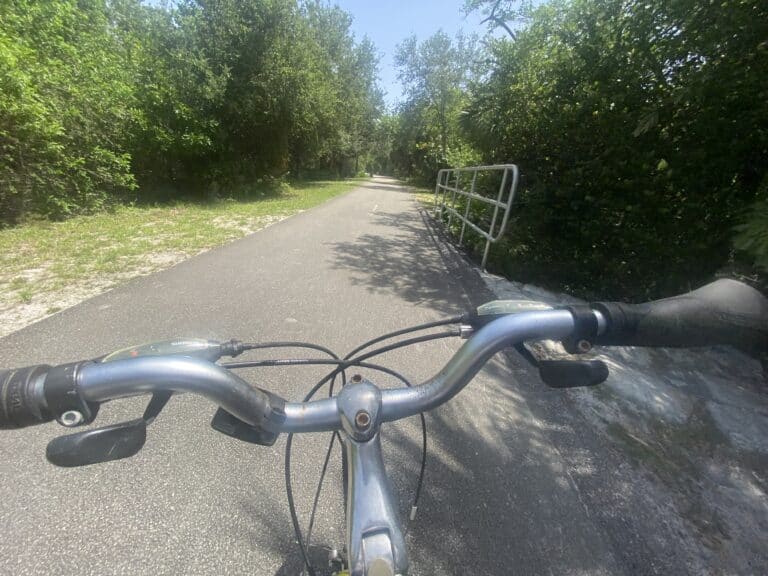
When I first got into cycling, I thought pedaling harder was the secret to going faster. The only thing it did was break my pedal and left me with none (after 5 years at least…) What actually changed everything was learning about cycling cadence, how fast you spin the pedals, not how much you mash them.
Most beginners never think about cadence until their legs are fried halfway through a ride or their knees start complaining. And that’s a problem, because cadence or FLOW directly affects endurance, efficiency, speed, and injury risk. Studies on cycling efficiency consistently show that smoother, higher cadences reduce muscular fatigue over long rides.
My name is Caleb, and my primary form of transportation was cycling for over 3 years with a commute sometimes in the bike lane or sidewalk, and I developed a consistency to make a 4-mile trip in under 40 minutes.
In this guide, I’ll break down this cycling cadence for beginners. You may find this to connect a lot with road biking basics in the cadence you should aim for, and how to improve it without feeling awkward or robotic. Plus you cannot ignore having a good bike seat. It’s as natural as it sounds, making it as practical as possible.
What Is Cycling Cadence?
So you’ve probably never heard of the term Cycling Cadence, trust me, I hadn’t before. But it’s something thrown around in biking circles. Cycling cadence is simply how fast you’re turning the pedals, measured in revolutions per minute, or RPM. If one foot goes all the way around 80 times in a minute, that’s an 80 RPM cadence, which is around the optimal cadence (credit NIH.)
My cadence was low, probably 60–65 RPM most of the time, and I thought that meant I was being strong. What actually happened was my legs would blow up halfway through rides, and my knees felt cranky the next day.
Cadence is about how you pedal, while speed depends on gears, terrain, wind, and how much effort you’re putting in. Think of cadence as the rhythm of your legs. Speed is the result, cadence is the process. That difference matters way more than beginners usually realize. My cadence was low, probably 60–65 RPM most of the time, and I thought that meant I was being strong. What actually happened was my legs would blow up halfway through rides, and my knees felt cranky the next day.
Cadence matters because it changes where the effort comes from. Although it is hard to measure, recognizing a low cadence is felt in your ride: it puts more stress on muscles and joints, especially knees, while a slightly higher cadence shifts more load to your cardiovascular system. That balance is huge for endurance and long-term comfort.
On flat roads, keeping a steady cadence usually feels smoother and easier to control. You can settle into a rhythm, adjust gears slightly, and hold something steady without thinking too much. This is where beginners often notice cadence for the first time, especially if they start bouncing a bit in the saddle when pedaling too fast, especially if you aren’t positioned right on your bike.
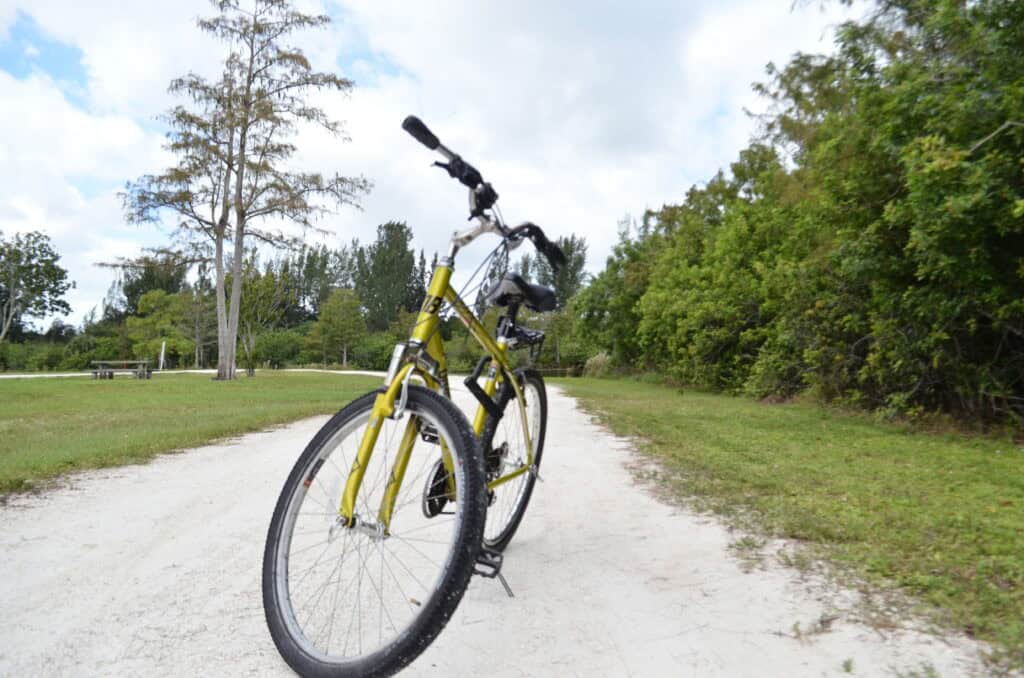
Climbs are where cadence becomes very obvious. If you stay in too hard a gear, cadence drops, legs burn, and breathing turns ugly fast. Shifting down to keep cadence up can feel awkward at first, like you’re giving up, but it usually lets you climb longer and more consistently.
I remember a climb I used to dread because I always attacked it in a big gear. Once I started shifting earlier and keeping cadence higher, the climb didn’t get easier but it got manageable. That was a quiet win. Cadence also isn’t fixed. It changes with terrain, fatigue, and fitness. Some days your legs want to spin, other days they don’t, and that’s normal.
If you’re new to cycling cadence, the goal isn’t to hit a perfect number. It’s to notice how your legs feel at different RPMs and start choosing gears that let you pedal smoothly instead of muscling everything. Once that clicks, riding just feels better, even if nothing else changes.
Ideal Cycling Cadence for Beginners
When I first started paying attention to cadence, I wanted a clear answer. Like, just tell me the right number and I’ll ride that forever. Turns out cycling doesn’t work that way. But there is a useful range most beginners can lean on without overthinking it.
For many beginner cyclists, a typical cadence falls somewhere between 65 and 90 RPM. A lot of people naturally land closer to the low end at first, especially if they’re coming from casual riding or just hopping on a bike now and then. That’s normal. I lived around 65–70 RPM for a long time and thought that was just “how I rode.”
You’ll hear 80–95 RPM recommended a lot, especially in road cycling circles where endurance is important. There’s a reason for that. But it’s hard to ignore how hard it is to hold a high cadence, the first time I tried holding 90 RPM, it felt frantic. Like my legs were spinning faster than my brain could keep up. I bounced a little in the saddle, lost rhythm, and thought, yeah… this isn’t for me. But after a few rides, something clicked. My legs stopped fighting it, and rides felt less “leg heavy” at the end.
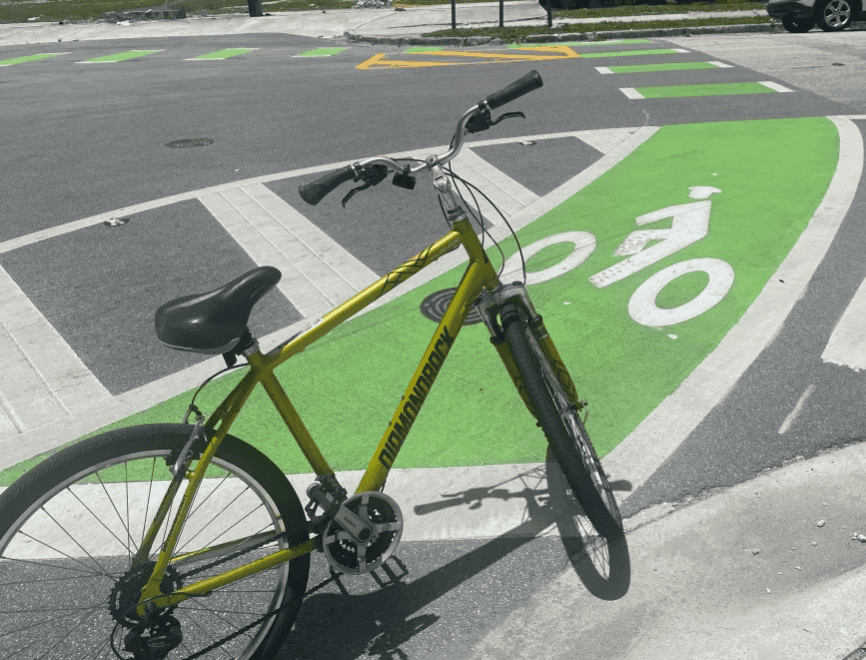
Terrain changes everything, though. On flat roads, it’s easier to sit in that 80–95 RPM range and just cruise. Small gear changes are enough to keep cadence steady. On hills, especially longer climbs, cadence naturally drops unless you’ve got enough gears to compensate.
Fitness level matters too. Beginners with less aerobic conditioning often prefer a slightly lower cadence because higher RPM pushes the heart rate up faster. That’s okay. Early on, riding at 70–80 RPM and slowly nudging it upward over time can be more realistic than forcing a high cadence right away.
Road cycling cadence tends to be higher than casual riding cadence. On a road bike, with lighter weight and closer gear spacing, spinning feels more natural. Casual riders on hybrids or older bikes often ride lower cadence without realizing it, mostly because gear options are limited and posture is more upright.
Remember, everything matters depending on how you cycle, mountain biking, commuting, or road biking for fitness.
Neither is wrong. They’re just different contexts.
One thing that really helped me was realizing there is no single perfect cadence. Some days 85 RPM feels amazing. Other days, especially when tired or riding into wind, 75 feels more controlled. Even pros vary their cadence constantly depending on terrain and effort.
Cadence is a tool, not a rule. The goal for beginners isn’t to chase a number but to avoid extremes mashing huge gears at 55 RPM or spinning wildly with no control. Somewhere in the middle, where pedaling feels smooth and sustainable, is usually the sweet spot.
Once you stop obsessing over the “perfect” cadence and start listening to your body, riding gets a lot more enjoyable. And honestly, that’s when progress starts sneaking up on you.
Spinning vs Grinding Gears
This was probably the biggest mindset shift I had to make on the bike. Early on, I was a grinder. Big gears, slow legs, lots of force. It felt strong, so I assumed it was right. Looking back, it was mostly ego and not knowing any better.
Spinning a high cadence feels light and quick. Your legs are moving fast, but each pedal stroke takes less force. When it’s done right, it almost feels like your feet are floating in circles instead of stomping down. Breathing gets deeper, heart rate comes up, but the legs don’t scream as fast.
Grinding a low cadence is the opposite. Each pedal stroke feels heavy, like you’re doing mini leg presses over and over. It can feel powerful, especially when accelerating or climbing short hills. But that power comes at a cost.
Spinning has some real advantages. It’s easier on the knees, spreads the workload across muscles and cardiovascular system, and tends to delay fatigue on longer rides. Once I got used to it, I could ride farther without that dead-leg feeling. The downside is that it can feel awkward at first, and on cheap drivetrains or rough roads, very high cadence can feel sloppy.
Grinding isn’t evil, despite what it sometimes sounds like. It can be useful in short bursts, like standing starts, sprints, or steep pitches where maintaining high cadence isn’t realistic. The problem is when it becomes the default for everything.
Gear selection plays a huge role in all of this. Cadence doesn’t exist in isolation. If you stay in a hard gear, your cadence has to drop. If you shift to an easier gear, cadence rises automatically without extra effort.
This was a lightbulb moment for me. I used to think increasing cadence meant pedaling harder or faster on purpose. In reality, it mostly meant shifting sooner and more often. The bike does the work if you let it.
Now I think of spinning and grinding as tools. Spinning is for efficiency and endurance. Grinding is for short, intentional efforts. When you stop letting grinding happen by accident and start choosing it on purpose, rides feel way more under control.
How Cadence Affects Endurance and Fatigue
I used to think getting tired on the bike was just part of the deal. Legs burn, lungs hurt, ride ends early. What I didn’t realize was how I was pedaling had a lot to do with where that fatigue showed up. Cadence plays a sneaky role in endurance, especially for beginners who don’t know what to listen for yet.
There are two main types of fatigue at play: muscle fatigue and cardiovascular fatigue. Muscle fatigue is that heavy, dead-leg feeling where pushing the pedals starts to feel like work. Cardiovascular fatigue is more about breathing, heart rate, and overall energy. You can usually recover from cardio fatigue mid-ride by backing off a bit. Muscle fatigue sticks around and ruins the rest of the day.
Knee health is another big factor, especially for beginners. Low cadence increases joint torque, meaning your knees absorb more force with every pedal stroke. Over time, that can lead to soreness or irritation, especially if bike fit isn’t perfect. Higher cadence tends to be gentler on the knees because the load per stroke is lower.
I had mild knee discomfort that I blamed on saddle height for months. Once I raised my cadence and stopped muscling big gears all the time, the issue faded. Not instantly, but gradually.
There are a few signs your cadence might be hurting your endurance. Legs burning early in rides, knees feeling sore afterward, struggling to keep power late in a ride, or feeling “strong but slow” are common clues. Another sign is dreading small hills because you know they’ll hurt more than they should.
Cadence isn’t about riding fast. It’s about riding smart enough to last. Once you understand how cadence affects fatigue, you can make small gear choices that keep you rolling longer, and honestly, enjoying it more.
How to Find Your Natural Cadence
Before I ever owned a cadence sensor or bike computer, I was already riding at a cadence. I just didn’t know what number it was. That’s an important point for beginners to hear. You don’t need tech to find your natural cadence. Your body already has a preference, and learning to feel it comes first.
Riding without a cadence sensor forces you to pay attention to sensations instead of numbers. When cadence is too low, you’ll usually feel heavy pressure on the pedals, especially at the top of the stroke. Legs feel loaded, like each push takes effort. When cadence is too high, things feel jumpy. You might bounce slightly on the saddle or feel like your legs can’t stay smooth.
Breathing is a great cue. At a natural cadence, breathing feels steady and controlled. You’re not gasping, but you’re also not holding your breath. If your breathing spikes suddenly without a speed increase, cadence might be too high. If breathing feels calm but legs are burning, cadence might be too low.
Leg tension tells the story too. When cadence is right, tension feels even through the pedal stroke. No harsh stomping, no frantic spinning. It’s a quiet, circular motion. I didn’t recognize that feeling at first, but once I did, it became hard to ignore.
There are some simple on-bike tests to estimate cadence. One easy method is counting pedal strokes for 15 seconds and multiplying by four. Count one foot each time it comes around. If you count 20 revolutions in 15 seconds, that’s about 80 RPM. It’s not perfect, but it gets you close enough to learn.
Another trick is music. Songs around 160–180 beats per minute line up nicely with 80–90 RPM if each pedal stroke matches every other beat. It sounds silly, but it works surprisingly well.
Cadence sensors and bike computers can help once you understand feel. They’re useful for confirming patterns, tracking improvements, or doing specific cadence drills. The mistake is staring at numbers too early. When I did that, I started forcing a cadence instead of letting it happen.
Your natural cadence is a good starting point because it reflects your current fitness, flexibility, and coordination. It’s not a weakness. It’s a baseline. From there, you can gently nudge it higher over time as endurance improves.
The goal isn’t to overwrite your instincts. It’s to refine them. Once you know what smooth pedaling feels like, cadence becomes something you adjust intuitively, not something you chase on a screen.
How to Improve Cycling Cadence as a Beginner
Improving cadence didn’t happen for me by grinding harder or riding faster. It happened on easy rides, the boring ones. That was frustrating at first because I wanted progress to feel dramatic. Instead, it was subtle, almost sneaky.
The easiest place to start is cadence awareness during relaxed rides. When the pace is easy, there’s room to notice how your legs feel without everything screaming for attention. I started checking in every few minutes, asking myself, “Am I stomping or spinning?” That simple question changed a lot.
Using lighter gears intentionally is the real lever. Most beginners wait too long to shift. I did. I’d hit a slight rise, push harder, and only shift once my legs were already loaded. Shifting earlier keeps cadence from dropping in the first place. It feels wrong at first, like you’re giving up resistance, but it works.
Short cadence drills help, as long as they stay manageable. I’m not talking about painful intervals. A simple drill is spinning slightly faster than normal for 30–60 seconds on flat ground, then settling back into your natural cadence. Do that a few times during a ride. No stress, no stopwatch obsession.
Another drill I liked was the “quiet legs” focus. For a minute or two, I’d try to pedal as smoothly and quietly as possible, imagining scraping mud off the bottom of my shoes. It sounds cheesy, but it improves pedal smoothness fast.
Smoothness matters more than raw RPM. A choppy 95 RPM is worse than a smooth 80. Early on, my cadence number went up before my control did, and it felt sloppy. Over time, smoothness caught up. That’s normal.
One thing beginners underestimate is how long adaptation takes. Cadence improvements don’t feel natural overnight. For me, it took a few weeks before higher cadence stopped feeling forced, and a couple months before it felt automatic. Muscles, nerves, and coordination all have to adapt.
There were rides where I’d revert back to grinding without realizing it. That’s not failure. That’s learning. Progress wasn’t linear, and it still isn’t.
If you stay patient and practice during easy rides, cadence improves quietly in the background. One day you finish a ride and realize your legs aren’t wrecked, and you’re not sure why. That’s cadence doing its job.
Common Beginner Cadence Mistakes
I’ve made every cadence mistake you can think of, probably more than once. Most of them came from trying too hard to “do it right” instead of just riding and learning. That’s usually how beginners get tripped up.
The classic mistake is riding too hard in big gears. It feels strong. You push, the bike moves, ego feels good. The problem is that big gears force low cadence, and low cadence stacks fatigue fast. I used to finish rides thinking my fitness was bad, when really my gear choice was doing me in.
On the flip side, forcing an unnaturally high cadence causes its own problems. Once I learned spinning was “good,” I tried to spin all the time. Legs flailing, bouncing in the saddle, zero control. High cadence only works when it’s smooth. If it feels frantic, it probably is.
Ignoring cadence on climbs is another big one. Climbs expose bad habits immediately. Beginners often stay seated in a hard gear too long, cadence drops, legs burn, and suddenly the hill feels impossible. Shifting early and keeping cadence reasonable makes a huge difference, even if speed stays the same.
Another mistake is confusing cadence with speed gains. Higher cadence doesn’t automatically make you faster. I expected instant speed improvements and got disappointed. Cadence improves efficiency and endurance first. Speed comes later, indirectly.
Overthinking cadence might be the sneakiest mistake. Watching numbers, second-guessing every pedal stroke, forgetting to enjoy the ride. I’ve been there. Cadence should support your riding, not dominate it.
The fix for all of these is simple awareness, not obsession. Use cadence as a guide, not a rulebook. When pedaling feels smooth, breathing is steady, and legs aren’t screaming early, you’re probably doing it right—even if the number isn’t perfect.
Cadence Tips for Different Types of Riding
One thing that took me a while to accept is that cadence isn’t something you set once and forget. It changes depending on what kind of ride you’re doing, and that’s normal. When I stopped trying to force one cadence everywhere, riding got way more comfortable.
On flat road riding, cadence is easiest to manage. This is where most beginners can sit in that 80–90 RPM range and just roll. Small gear changes make a big difference here. I learned to shift early and often, keeping cadence steady instead of letting it drift down as I got tired. Flats are the best place to practice awareness without pressure.
Hills and climbs are where cadence discipline really matters. Cadence naturally wants to drop as the gradient increases. The key is shifting before cadence collapses. I used to wait until my legs were already burning, then panic-shift. Now I shift sooner, keep cadence as high as the hill allows, and accept that it won’t be perfect. Even holding 70–75 RPM on a climb can feel worlds better than grinding at 55.
Group rides add another layer. You’re matching pace, not just riding your own rhythm. Cadence can spike when accelerating or surge when the group speeds up. I learned to stay relaxed and use gears aggressively instead of pushing harder. Matching cadence smoothly keeps you from burning matches early.
For endurance rides, cadence is about sustainability. Slightly higher cadence helps preserve leg strength over hours. I aim for smooth, comfortable spinning and avoid mashing unless absolutely needed. On short rides or hard efforts, cadence can drop a bit. That’s fine. Short efforts tolerate more muscle load.
As fitness improves, cadence often rises naturally. Mine did without me forcing it. What felt fast and awkward early on eventually felt normal. That’s the sign you’re adapting.
Cadence is flexible. Let it respond to terrain, effort, and your body. When you stop fighting it, everything feels easier.