I’ve spent time trying different bike saddles over the past year and have found my favorites on this list.
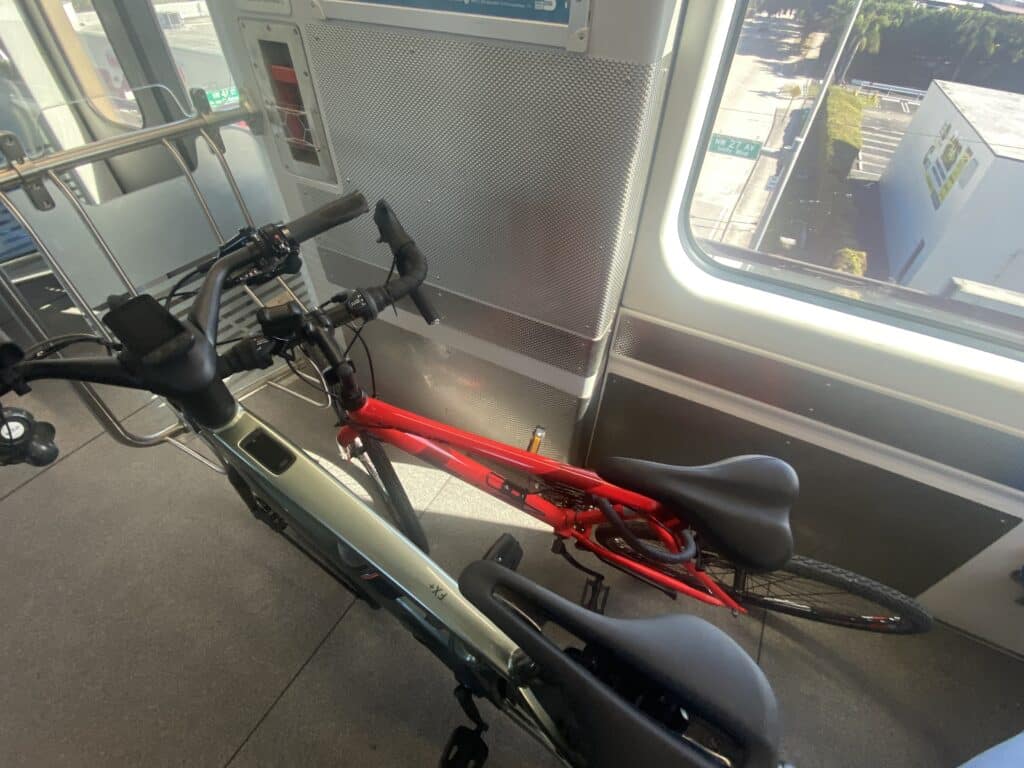
You could stick with your default bike seat, but you’ll find over time that the level of discomfort will increase over time. A good bike saddle will be firm, but fit around your lower body without soreness as the area receives the most contact while cycling.
I’ve tried over 10 – 20 different bike seats, on different bikes in my 7 years of cycling, and have found great and poor saddles for specific use-cases. This is most notably being roadbikes or mountain bikes with the wrong saddle. With countless miles and trails I have tested cheap models from Schwinn to more premium seating options from Shimano that have affected my speed, and increased handling.
Growing up the Schwinn Extra Comfort Bike Seat I found to be a great budget option for general cruising and is meant to be biked while sitting upright instead of standing or for a multi-tude of handling. For road biking I generally recommend a more speed friendly option like the Volt Steel Saddle one I’ve tried in a REI and fell in love with, trying off-road in the past.
Not sure if you’re ready to shell out the money? If you’re ready for speed, checkout hardtail bikes for a good comfortable great handling bike that is great for mountain biking, plus general riding. In this guide, I’ll break down what actually affects comfort, why most riders choose the wrong saddle, and how to set things up so you can focus on riding instead of constantly shifting around trying to find relief.


Best Mountain Bike Saddles by Category
🏆 Best Value
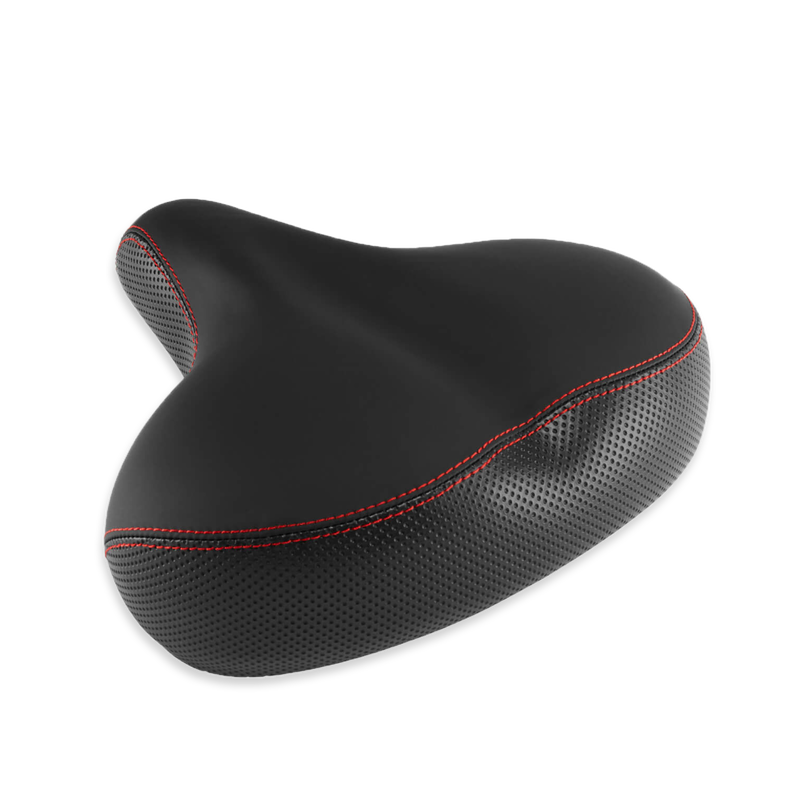
The Extra Comfort Bike Seat is a solid entry point for riders upgrading from harsh stock saddles. It focuses on wider sit-bone support and forgiving padding without becoming overly soft.
This saddle works well for trail riders who spend a lot of time seated on climbs but still want something manageable when the terrain gets technical. It’s not race-focused, but it delivers noticeable comfort gains for the price.
Best for: beginners, budget upgrades, casual trail riding
Why it works: simple shape, supportive width, easy to set up
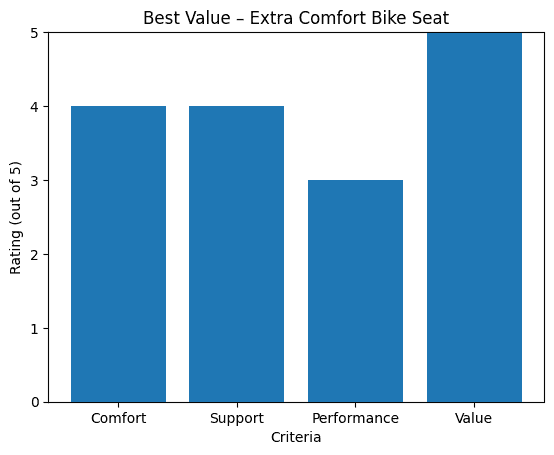
What stands out right away is how approachable it feels. The wider platform gives your sit bones a stable place to rest, which instantly reduces that sharp, localized discomfort a lot of riders feel on narrower OEM saddles. The padding is firm enough to prevent bottoming out on longer climbs but soft enough to take the edge off trail chatter and vibration.
It’s not bulky or awkward when you’re moving around the bike, and it doesn’t feel like a couch strapped to your seatpost. You still get decent freedom to shift your weight and stay active when the trail gets technical.
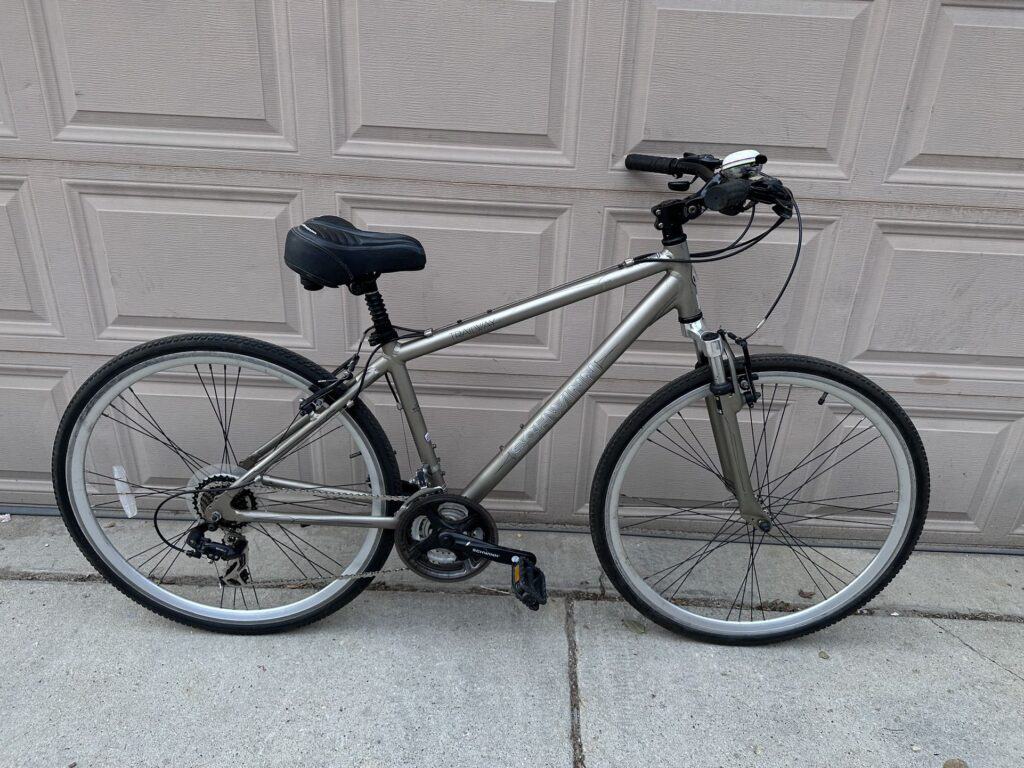
For the price, it delivers noticeable comfort gains without forcing you to overthink fit or setup. You can bolt it on, make minor angle adjustments, and be riding comfortably within minutes. That simplicity is part of why it’s such a strong value pick.
⚡ Best Speed
Volt Steel Saddle
The Volt Steel Saddle is built for riders who value efficiency. Its slimmer profile and firmer support keep your sit bones planted and your pedal stroke smooth, especially during hard efforts.
It doesn’t feel plush at first, but that’s the point. Once you’re an hour into a ride, the consistent support really shines. This is a great option for XC riders and aggressive trail riders who want performance without sacrificing comfort.
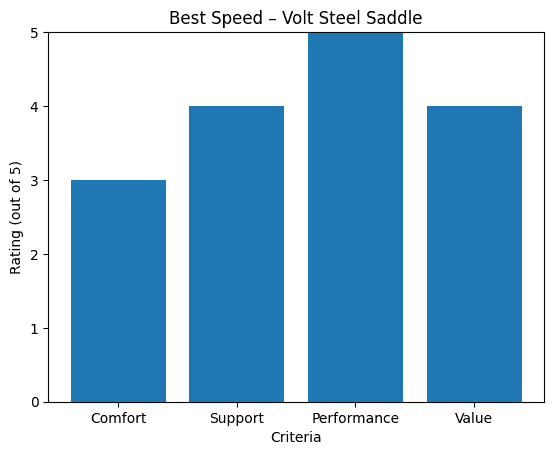
At first sit, it can feel surprisingly firm, especially if you’re coming from a plush or comfort-oriented saddle. But that initial impression changes once you’re an hour into the ride. Instead of soft spots collapsing or pressure shifting around, the support stays consistent. That predictability is what makes it so effective for speed-focused riding.
The narrower shape also works well for aggressive trail riders and XC racers who move forward and backward on the saddle depending on terrain. It doesn’t snag shorts, doesn’t interfere when you’re standing, and stays out of the way during fast transitions. When paired with a more forward, performance-oriented riding position, it feels purposeful and efficient.
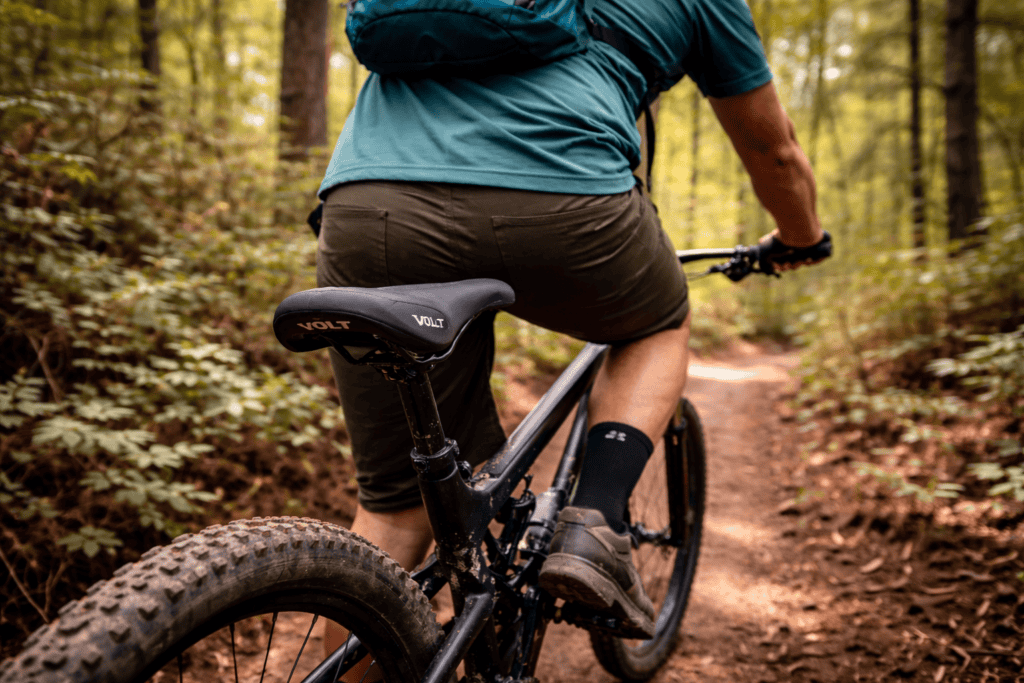
This saddle rewards riders with good bike fit and riding posture. If your saddle height, fore-aft, and bar position are dialed, the Volt Steel feels like an extension of the bike rather than something you’re constantly aware of.
Best for: speed-focused riding, XC, aggressive trail use
Why it works: firm support, efficient shape, predictable pressure
🛣️ Best Distance
Santa Cruz Chameleon
For long rides, comfort becomes about pressure management, not softness. The Santa Cruz Chameleon excels here by balancing width, support, and shape so discomfort doesn’t creep in late in the ride.
It’s a strong choice for endurance loops, long fire road climbs, and bikepacking-style riding where hours in the saddle are unavoidable. This is the kind of saddle you stop thinking about mid-ride—which is exactly what you want.
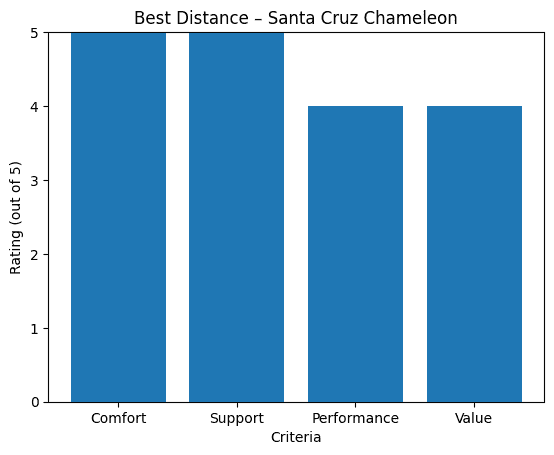
The width strikes a sweet spot—wide enough to feel supportive but not so wide that it restricts movement or rubs inner thighs. Combined with a stable platform, it creates a “set it and forget it” experience. You’re not constantly shifting around trying to find relief, which is exactly what you want on endurance rides.
This saddle excels on long fire road climbs, all-day trail rides, and bikepacking-style trips where efficiency and comfort need to coexist. It doesn’t feel mushy or vague, and it maintains its shape even after hours of continuous use. That consistency is what makes it such a strong option for distance.
Another significant advantage is its neutral feel. It doesn’t force an aggressive or upright posture, making it adaptable to a wide range of bikes and setups. Whether you’re on a hardtail, short-travel trail bike, or loaded bikepacking rig, it just works.
Best for: endurance rides, bikepacking, long trail days
Why it works: balanced support, stable shape, long-ride consistency
🚲 Best Cruiser
Vivo Reflective Athletic Saddle
The Vivo Reflective Athletic Saddle prioritizes comfort and visibility. Its wider platform supports upright riding positions, while reflective details add safety for mixed-use or urban riding.
This isn’t about aggressive trail performance. It’s about relaxed, confidence-inspiring comfort for riders who want to enjoy the ride without pressure points.
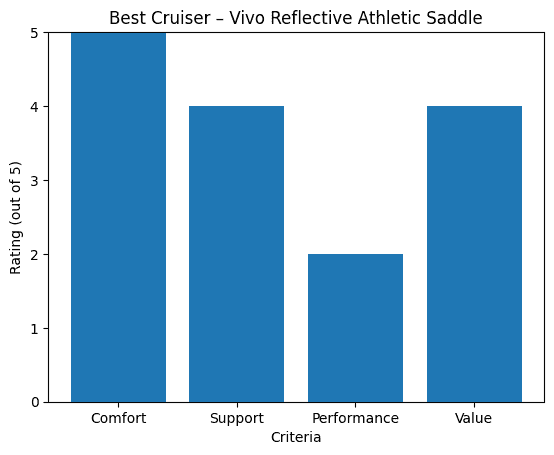
The padding is generous without feeling unstable, providing immediate comfort for short to medium rides. This is the kind of saddle that feels good right away, especially for riders who aren’t interested in dialing in race-level ergonomics. You sit down, pedal, and enjoy the ride.
One standout feature is the reflective detailing, which adds a real safety benefit for commuting or mixed-use riding. Whether you’re on bike paths, neighborhood streets, or shared trails, that extra visibility can make a meaningful difference.
This saddle isn’t designed for aggressive trail riding or performance-focused setups, and that’s okay. It knows its lane. For cruisers, commuters, and riders prioritizing comfort over efficiency, it delivers exactly what it promises.
Best for: casual riding, commuting, upright setups
Why it works: wide support, relaxed shape, added visibility
♀️ Best for Women
Terry Liberator X Saddle
The Terry Liberator X is designed around female anatomy, not adapted from a unisex mold. Wider sit-bone support, effective pressure relief, and a shape that works both seated and technical make it a standout.
Instead of forcing a generic saddle to work, this one solves common issues like soft tissue pressure and numbness directly.
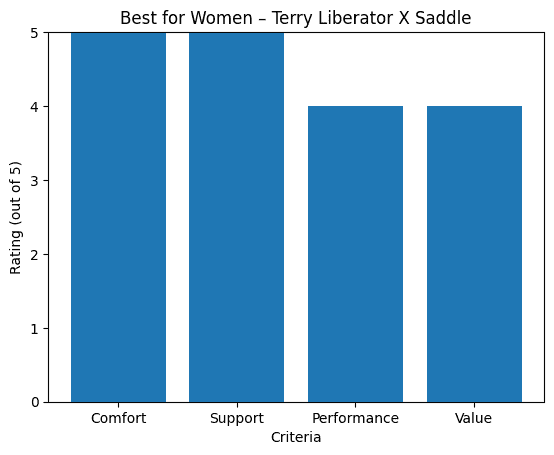
The wider rear platform provides stable support where it’s needed most, while the central relief channel helps reduce soft tissue pressure and numbness. This makes a noticeable difference for riders who’ve struggled with discomfort on generic saddles, especially during sustained seated efforts.
Despite the added support, the saddle still performs well on technical terrain. It doesn’t feel bulky or restrictive, and it allows for easy movement when standing, descending, or shifting weight. That versatility makes it suitable for both trail riding and longer endurance sessions.
What really sets it apart is how well it balances comfort and performance. You’re not choosing between feeling supported and riding efficiently—you get both. For women riders who’ve tried multiple saddles without success, this one often feels like a solution rather than a compromise.
Best for: women riders, long rides, sensitive pressure areas
Why it works: purpose-built design, thoughtful shaping, real support
Final Thoughts
The final lesson I learned is that saddle comfort isn’t just about the saddle. Shorts, chamois, position, and even fabric choice matter. You can have the perfect saddle and still be uncomfortable if the rest of the system is wrong.
Once I treated saddle comfort as a system instead of a single purchase, everything got easier. Comfort stopped being guesswork and became something I could actually dial in.
one that matches how and where you ride. Comfort, support, and efficiency show up differently depending on whether you’re chasing speed, logging long miles, cruising around town, or dialing in fit for anatomy-specific needs.
The Extra Comfort Bike Seat proves that you don’t need to spend big to dramatically improve ride comfort, especially for casual and beginner riders. The Volt Steel Saddle stands out for riders who prioritize efficiency and consistent support during hard efforts. For long days in the saddle, the Santa Cruz Chameleon delivers pressure management that holds up hour after hour. If relaxed, upright riding is your thing, the Vivo Reflective Athletic Saddle keeps comfort and safety front and center. And for women riders, the Terry Liberator X shows how much difference a purpose-built design can make.
The biggest takeaway? A good saddle should disappear beneath you mid-ride. If you stop thinking about discomfort and start focusing on the trail, the terrain, or the ride itself—that’s when you know you’ve found the right one.