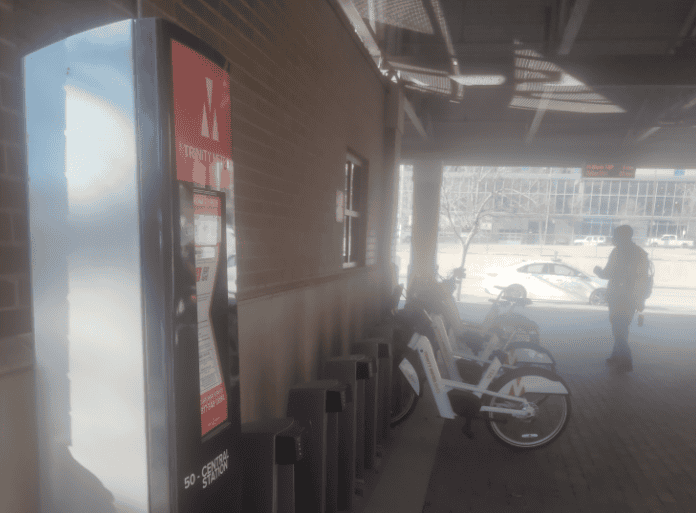
9 Reasons I Switched from Driving for Bike Commuting
Bike commuting is my favorite way to travel to work, no question. On paper, it’s just riding a bike to work or around town. In real life, it changes how you move through traffic, how you manage your mornings, and how much control you feel over your day.
What surprises most people is how quickly it starts to make sense. Traffic jams stop mattering. Parking stops being a problem. Your commute becomes something you do with your city instead of fighting against it. And that Google Maps ETA becomes WAYY less of a focus, your entire life changes.
More people are choosing bike commuting because it’s efficient in ways cars and public transit aren’t. The costs are lower, the timing is more predictable, and the mental load is lighter. Once you experience a few weeks of consistent riding, it’s hard not to notice how much wasted time disappears.
I’m Caleb, an active cyclist for over half a decade who finally made the biggest switch since I was 16 years old, going from driving to being carless and choosing to get around primarily by cycling.
This guide breaks down what bike commuting really looks like in practice with all the cycling safety tips you need, cycling posture basics. Not the ideal version, but the everyday reality: things I’ve noticed over the past 5 – 10 years like cycling cadence and if you want to jump it up getting that right bike seat. If you’ve ever wondered whether commuting by bike could actually fit into your life, you’re in the right place.
What Is Bike Commuting and Why It’s Growing
Bike commuting is simply using a bicycle as a primary way to get to work, school, or daily responsibilities, but that definition barely scratches the surface. It’s not a recreational ride where you wait for perfect weather or turn around when you feel tired.
Bike commuting has a purpose, a destination, and usually a time constraint, which changes how you ride and how you think about the trip. You’re riding to arrive, not just to move. That distinction matters more than most beginners realize.
The first thing that separates bike commuting from casual cycling is consistency. Recreational riding is optional for self-enjoyment or exercise, while commuting becomes part of your routine whether you feel like it or not. That pressure sounds negative at first, but it’s actually what makes it powerful. Over time, your body adapts, your confidence improves, and riding stops feeling like an effort and starts feeling normal. That’s when people stop seeing the bike as a backup option.
One big reason bike commuting is growing is that it quietly solves everyday problems. Cars are expensive to own and stressful to operate in dense areas, and public transportation can be unpredictable depending on schedules and delays. A bike, once set up correctly, removes a lot of that friction. You leave when you want, move at a steady pace, and arrive without hunting for parking or waiting on anyone else’s timeline.
Cost plays a huge role too, even if people don’t notice it right away. Bike commuting reduces fuel costs, parking fees, and long-term vehicle maintenance, sometimes dramatically. Most expenses are upfront and relatively small, which makes budgeting easier over time. When people compare monthly transportation costs honestly, the bike often wins by a wide margin.
Urban planning and lifestyle changes have also pushed bike commuting forward. Shorter commutes, flexible work hours, and improved bike infrastructure make riding more realistic than it used to be. As cities add bike lanes and traffic-calming measures, cycling feels less intimidating to new riders. The growth isn’t about trends, it’s about practicality finally catching up.
How to Start Bike Commuting as a Beginner
Starting bike commuting looks simple from the outside, but the learning curve shows up fast once you commit. I remember thinking my normal riding experience would carry over without issues, and that assumption didn’t last long. Riding in traffic, managing time, and carrying work gear changes the whole dynamic. It’s not harder, but it’s definitely different.
One of the biggest beginner mistakes is trying to go all in immediately. Five days a week, full distance, no backup plan sounds motivating, but it usually leads to burnout. I learned that easing in with two or three days a week made the habit stick longer. Consistency beats intensity every single time with bike commuting.
Partial commutes are an underrated entry point. Parking farther away, biking to a transit stop, or only riding one direction reduces pressure while still building confidence. It also gives you room to adjust gear, routes, and pacing without feeling locked in. Those small wins matter early on.
Traffic fear is real, and ignoring it doesn’t help. I used to ride too close to the curb because I thought it was safer, but that actually made drivers pass closer and feel unpredictable. Once I learned to ride predictably and claim space when needed, interactions became calmer. Confidence comes from repetition, not bravery.
Timing your commute helps more than most people expect. Early mornings usually have lighter traffic and fewer distractions, which makes learning easier. Riding at calmer times allowed me to focus on positioning and awareness instead of constant reaction. That alone reduced stress fast.
The goal in the beginning isn’t speed or fitness, it’s sustainability. Some rides will feel awkward and slower than expected, and that’s normal. As bike commuting becomes routine, efficiency shows up naturally. When it feels normal, you’ve already won.
Choosing the Right Bike for Commuting
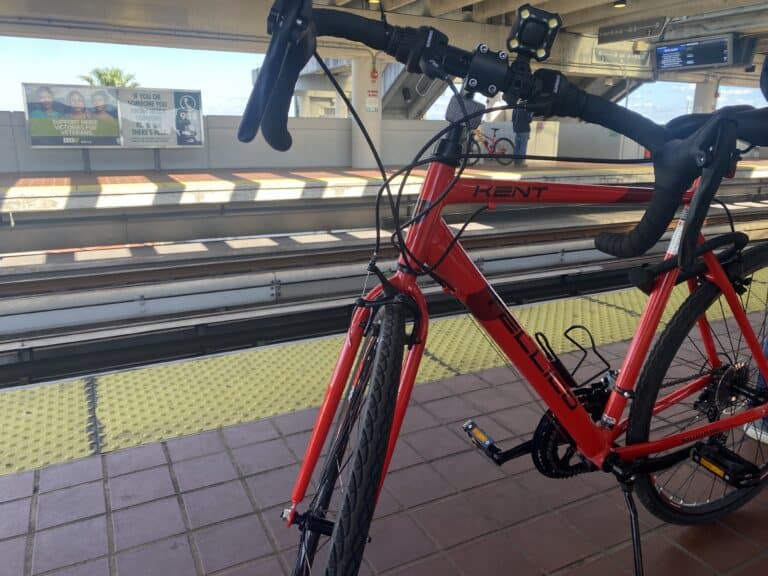
Choosing a bike for commuting is where a lot of people accidentally make things harder than they need to be. I definitely did, spending way too much time comparing specs instead of thinking about how the bike would actually feel day after day. This ended up with me a road-bike that broke within 5 – 6 months, WOW.
What matters most isn’t speed or looks, it’s comfort, reliability, and how forgiving the bike is when conditions aren’t perfect. A commuter bike needs to work even when you’re tired or in a rush.
The first commuter bike I used was technically fast, but it wasn’t friendly. Narrow tires transmitted every crack in the road straight into my hands, and the aggressive riding position made longer days uncomfortable. That setup worked fine for short rides, but it didn’t hold up when commuting became routine. Comfort becomes non-negotiable once riding turns daily.
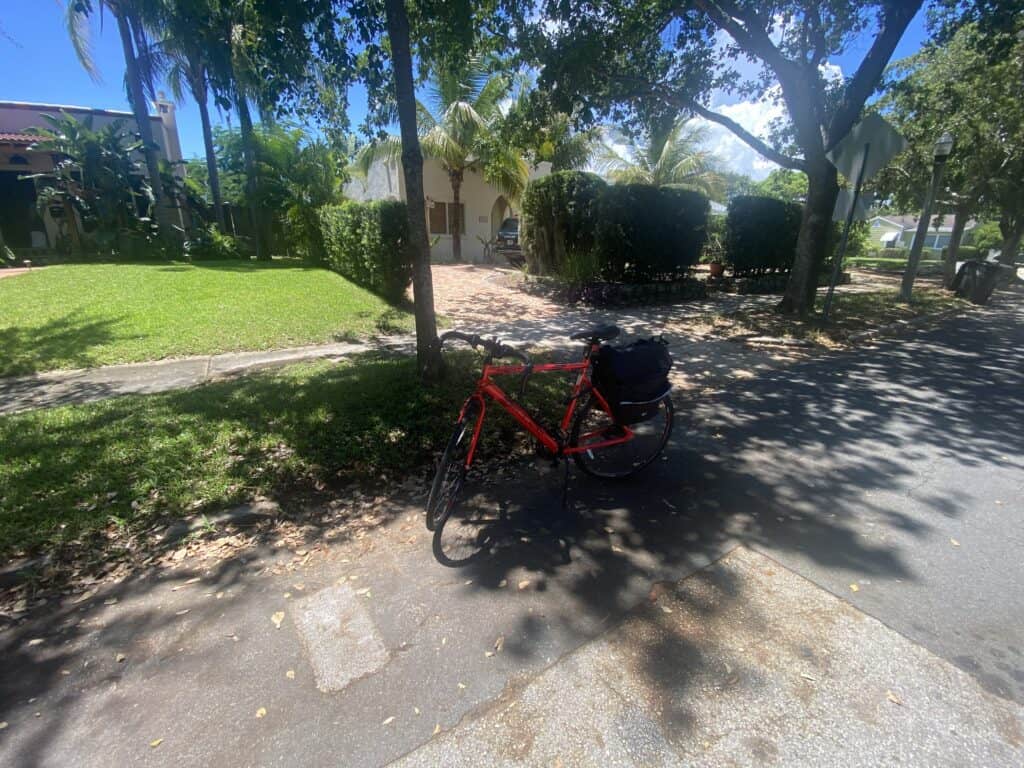
For most people, upright bikes with wider tires make commuting easier. Hybrid bikes, flat-bar road bikes, gravel bikes, and even hardtail mountain bikes handle rough pavement and bad weather better than race-focused setups. Tires in the 32–45mm range smooth out roads without feeling slow. That small change alone reduced fatigue more than I expected.
Gearing is another overlooked factor. Stop-and-go traffic, headwinds, and hills punish limited gearing fast. Single-speed bikes look clean and simple, but they demand more effort than many beginners expect. A wider gear range keeps rides calm instead of turning every commute into a workout you didn’t plan for.
Mounting points changed how practical my bike felt overnight. Racks and fenders allowed me to carry weight on the bike instead of my back and ride in bad weather without hesitation. Once those were installed, bike commuting stopped feeling improvised and started feeling intentional. It’s hard to go back after that.
New versus used bikes comes down to confidence and budget. A used bike can be a great value if it’s mechanically sound, but new bikes offer peace of mind when commuting daily. The best commuter bike is the one you trust enough to ride consistently, even when conditions aren’t ideal.
Essential Bike Commuting Gear
Bike commuting taught me pretty quickly that gear isn’t about looking serious; it’s about removing friction from your day. Early on, I tried to get by with whatever I already owned, thinking I could upgrade later if needed. That worked right up until the first rainy evening ride when visibility dropped, and everything felt sketchy. The right gear doesn’t make commuting perfect, but it makes it predictable.
Lights are the single most important upgrade for safety and confidence. I used to assume streetlights were enough, but intersections proved otherwise fast, you can barely see at times with LEDs.

A bright front light helps you see road hazards, while a strong rear light changes how drivers treat you. Cars give more space when they notice you early, and that alone reduces stress.
Locks are another place where cutting corners backfires. A cheap lock technically works, but it keeps your brain on edge all day. Once I upgraded to a solid U-lock and learned how to lock the frame correctly, that constant background worry disappeared. Peace of mind matters more than people admit.
Carrying gear on your back gets old faster than expected. Heavy backpacks lead to sweaty backs and sore shoulders, especially on longer rides. Switching to a rack and panniers changed my comfort level immediately. Letting the bike carry the weight makes commuting feel easier without changing speed.
Weather gear doesn’t need to be expensive or complicated. A basic rain jacket, gloves, and fenders solved most of my problems. Staying warm enough matters more than staying completely dry, and once I accepted that, bad-weather rides became manageable instead of miserable.
Basic maintenance tools are the last piece people ignore until something goes wrong. Carrying a spare tube, tire levers, and a small pump turned flats into minor delays instead of canceled rides. Knowing you can handle small issues builds confidence, and confidence keeps you riding consistently.
Planning Safe and Efficient Bike Commute Routes
Route planning was the biggest mindset shift I had to make when bike commuting became routine. I assumed the fastest car route would automatically be the fastest bike route, and that assumption failed almost immediately. Shorter distance doesn’t always mean easier or faster on a bike. Flow matters more than straight lines.
My early routes had too many stressful intersections packed close together. Even when the ride was technically shorter, constant stopping and watching traffic drained energy fast. Once I started prioritizing quieter streets with fewer conflict points, the ride felt smoother and more predictable. A relaxed route almost always beats an aggressive one.
Bike lanes help, but they aren’t a magic solution. Some are well designed and genuinely safer, while others disappear right where you need them most. I learned to treat bike infrastructure as a suggestion rather than a rule. Riding where it feels safest matters more than following paint on the road.
Navigation apps are useful, but they don’t understand how streets actually feel on a bike. I used them as a starting point, then refined routes through trial rides. Testing new routes on weekends helped avoid surprises during the workweek. That small habit saved a lot of stress.
Over time, your route becomes automatic. You know where to slow down, where to assert space, and where you can relax. That familiarity builds confidence, and confidence is what makes bike commuting feel sustainable instead of exhausting.
Bike Commuting Safety Tips for Urban Riding
Urban bike commuting forced me to rethink what “safe riding” actually means. Early on, I thought staying as far to the side as possible was the safest option, but that approach made drivers treat me like something to squeeze past. Riding predictably and visibly ended up being far safer than trying to disappear. Once I understood that, everything changed.
One of the biggest safety improvements came from controlling my lane position. Holding a steady line and avoiding sudden swerves made my movements easier for drivers to read. Signaling early and clearly helped too, even when it felt unnecessary. Clear communication reduces surprises, and surprises cause most close calls.
Intersections demand the most attention during a bike commute. I slow down earlier than feels natural and scan constantly for turning vehicles. Making eye contact with drivers helps, but if I can’t see their face, I assume they haven’t seen me. That mindset alone prevented several sketchy moments.

Door zones taught me a lesson I won’t forget. Riding close to parked cars feels polite, but it’s risky. Once I started giving doors more space and taking the lane when needed, my stress level dropped. It felt uncomfortable at first, but safety matters more than comfort.
Defensive riding doesn’t mean riding timidly. It means anticipating mistakes, leaving yourself space, and always having an exit option. I try to position myself where I can react instead of panic. Calm riding is safer riding.
Consistency plays a bigger role in safety than people expect. Riding the same routes, following traffic laws, and staying predictable builds trust over time. Bike commuting feels safer when it stops being random and starts feeling routine.
How Bike Commuting Improves Health and Fitness
The health benefits of bike commuting showed up before I ever thought of it as exercise. At first, I was just focused on getting from point A to point B without issues. After a few weeks, though, I noticed I had more energy during the day and felt less stiff overall. That kind of progress sneaks up on you.
What makes bike commuting effective is how consistent it is. You’re moving your body almost every day without needing extra motivation or scheduling gym time. Even short rides raise your heart rate enough to improve cardiovascular health over time. That steady effort matters more than occasional intense workouts.
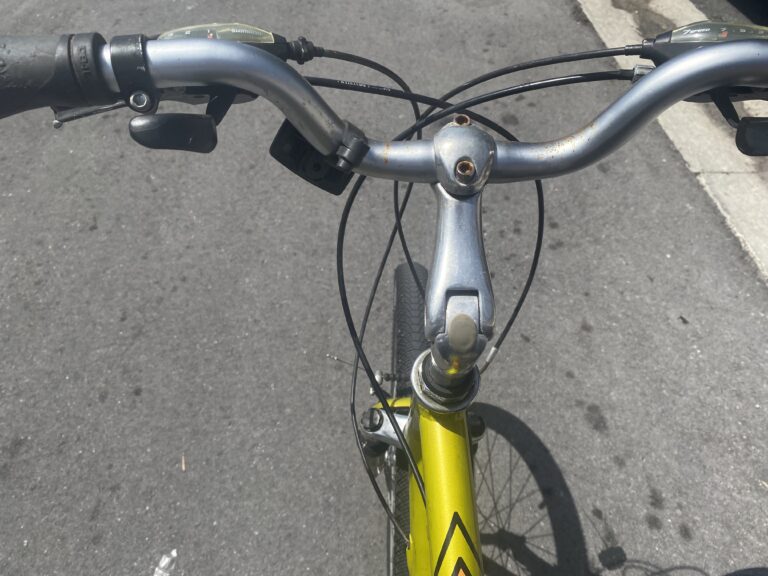
My favorite thing is to always change the gears on my 7-speed bike, going higher to force myself to pedal as if I were on an incline. I live in a pretty flat city myself so it’s a good way to be creative and get a workout in.
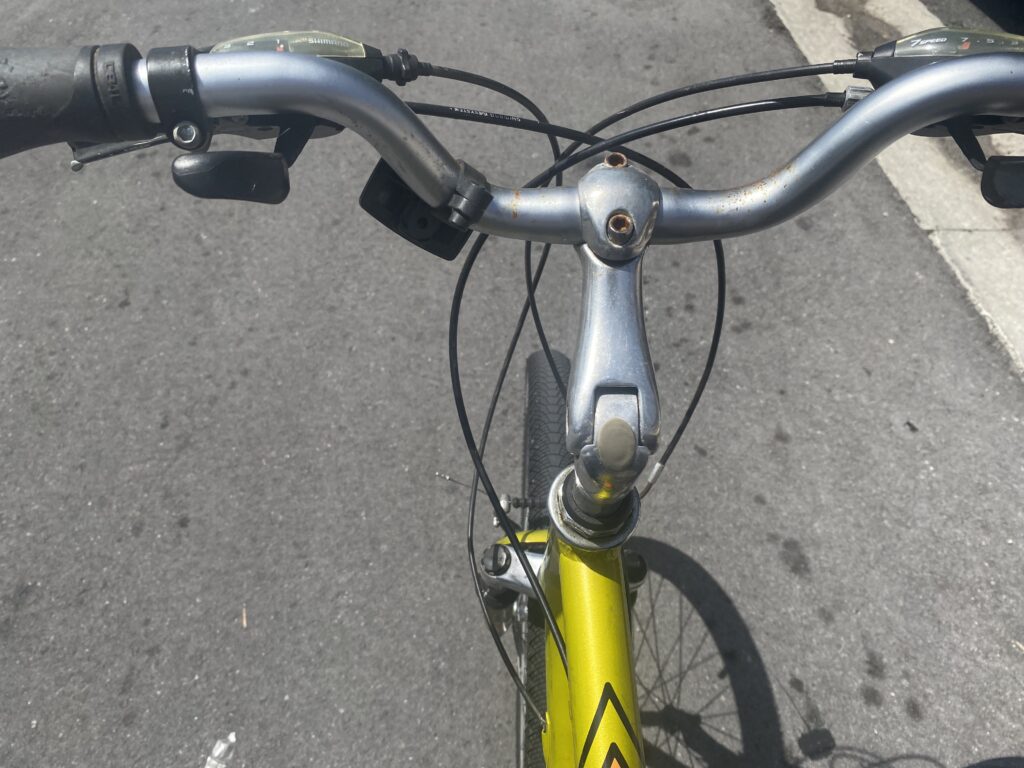
At the same time doing this type of riding helped clear my head in the morning and acted like a buffer between work and home in the evening. Stress didn’t pile up the same way it did when I drove. The ride itself became a reset button.
Bike commuting also supports weight management without feeling restrictive. Burning calories daily adds up, especially when paired with normal eating habits. Because the effort is moderate, it doesn’t trigger the hunger spikes that hard workouts sometimes cause. That balance makes it sustainable long-term.
Muscle endurance improves practically. Legs, hips, and core all get stronger through repetition rather than overload. You build functional strength that directly supports daily movement. It’s not flashy, but it’s effective.
Bike Commuting in Different Conditions
Bike commuting feels easy when the weather is perfect, but consistency is really tested when conditions aren’t ideal. The first time I rode in the rain, everything felt louder and slower, and braking distances suddenly mattered a lot more. It wasn’t dangerous, but it demanded more attention than a dry ride. Once I accepted that bad conditions just require adjustments, it became manageable.
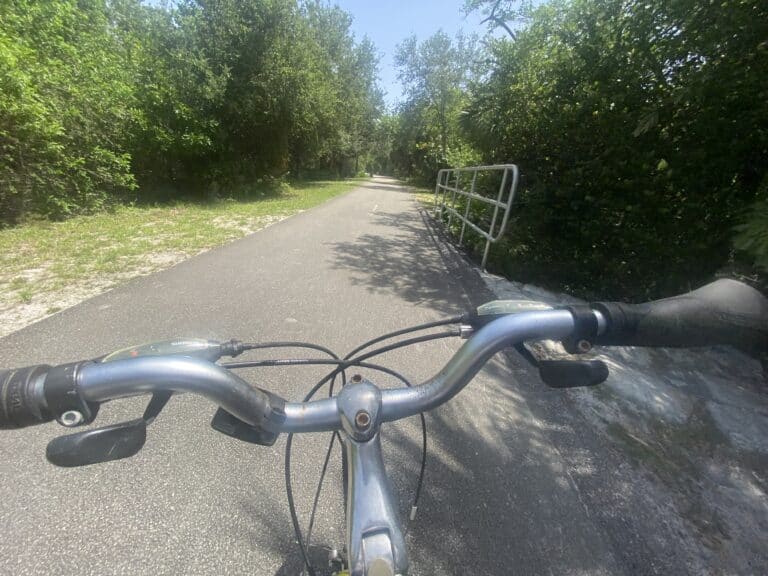
Rain riding taught me to slow down and plan. The most annoying thing yet surprising thing is to always see something in the way of the bike facility while I’m riding. I stopped worrying about staying perfectly dry and focused on staying warm enough to ride comfortably. That shift made rainy commutes far less stressful.
Hot weather brings a different set of challenges. Riding earlier in the morning helped avoid the worst heat, and breathable clothing made a big difference. I learned to accept some sweat instead of fighting it, especially on longer rides. Planning for a quick cool-down at the destination mattered more than riding faster.
Cold weather looks intimidating, but it’s mostly about the right layers. Keeping hands, feet, and ears warm mattered more than piling on thick jackets. Once circulation stayed comfortable, winter rides felt surprisingly calm. Cold rides became routine instead of something to avoid.
The biggest lesson from riding in different conditions is flexibility. Some days require adjusting pace, route, or expectations. That adaptability keeps bike commuting sustainable instead of frustrating. When you plan for imperfect conditions, you ride more often.
Conclusion
Bike commuting isn’t about being extreme or proving a point. It’s about choosing a way to move through your day that actually works more often than it doesn’t. Once the basics are dialed in, riding stops feeling like effort and starts feeling normal. That’s usually the moment people realize they don’t miss sitting in traffic as much as they thought they would.
The learning curve is real, and the early days can feel awkward or inconvenient. Routes take time to refine, gear needs adjusting, and confidence builds slowly. But those small adjustments compound quickly. What feels uncomfortable at first often becomes automatic within a few weeks of consistent riding.
What makes bike commuting stick is how many problems it solves at once. It saves time in congested areas, lowers transportation costs, and adds daily movement without demanding extra motivation. It also changes how you experience your surroundings, making the commute something you participate in instead of endure. That shift is hard to unsee once it happens.
If you’re considering bike commuting, start small and stay flexible. You don’t need perfect conditions, the perfect bike, or a flawless routine to begin. You just need a few rides and the willingness to adjust as you go. For a lot of people, that’s all it takes for bike commuting to become part of everyday life.