Cycling Safety Tips You’ll Be Glad You Knew Sooner
“Cyclists aren’t just unsafe, but it’s also cars that create a problem of safety.” That line stuck with me after a close call years ago when a car drifted into my lane, and I barely avoided going down. That’s when I realized there was a problem. I was doing everything I thought was right, but once you forget how deadly cars can be, I fell off my bike.
Cycling safety tips aren’t about fear. They’re about confidence. Even though you have a huge hurdle of cars and little space made for bikes, the more you understand how to ride defensively and position yourself correctly, the more relaxed and enjoyable biking becomes. Whether you’re commuting to work, riding city streets, or just heading out for fitness, safety is what keeps cycling fun long-term.
In this guide, I’ll break down practical, real-world cycling safety tips like cycling posture basics, proper cycling cadence, and understanding the deep technicals like road biking, adjusting your bike seat properly. You’ll find a bike route just for you and avoid the harsh traffic of wide suburban streets/roads, making your commute enjoyable and perfect for some speakers to follow you on that route.
Why Cycling Safety Matters More Than Ever
Bro. You’re here! I promise you hitting the safer route actually saves you time! You’d be surprised, son suburban roads traffic gets faster, phones are glued to hands, and you almost never get used to it because if you’ve driven before you get some GARBAGE drivers. It’s not even that you changed; the environment did, and it caught me off guard at first.
One thing I noticed right away was how distracted drivers had become. You can literally see heads tilted down at stoplights, and it only takes one second of that for things to go sideways. I’ve had more close calls in the last few years than I did in the decade before that, and none of them were because I was riding wild.
Another big shift is how many new cyclists are on the road now. That’s a good thing overall, but it also means more unpredictable riding behavior mixed into traffic. When you’ve got beginners swerving, cars rushing, and bike lanes disappearing randomly, safety becomes less optional and more survival skill. You even now have to look out for dirt bikes, or e-motos that are going the wrong way in the street, be aware and things become WAY easier.
Weather plays a bigger role than people admit. Wet roads, glare from low sun angles, and sudden storms make everything more chaotic, especially braking distances. I’ve learned the hard way that riding the same way in dry conditions doesn’t translate when traction drops.
At the end of the day, cycling safety matters more now because the margin for error is thinner. You don’t need to be paranoid, but you do need to be intentional, and once I made that mental shift, riding actually felt calmer again. Safety didn’t kill the fun, it brought it back.
Cycling Safety Tips for Beginners
When I first started riding seriously, I thought confidence meant speed. Turns out confidence actually comes from awareness, and I didn’t have much of that early on. I rode too close to the curb, reacted late, and trusted drivers way more than I should’ve.
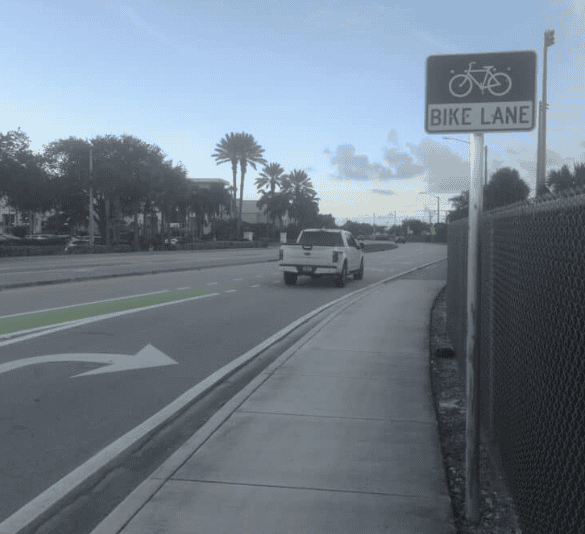
One beginner mistake I made was thinking bike lanes automatically meant safety. Some bike lanes are great, others are just painted suggestions next to parked cars and opening doors. Learning to scan ahead and adjust position instead of blindly following the line changed everything.
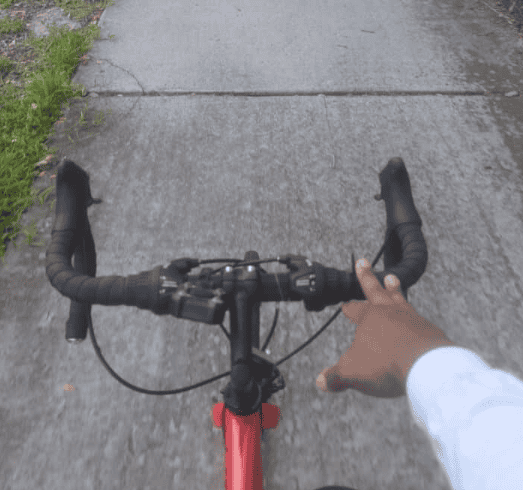
Another thing I wish someone told me sooner is that predictability beats politeness, especially for car drivers, you don’t just want to wave someone off you want to point where you’re going. Driver’s are usually in System 1, where drivers are on autopilot, when you point you speak their language and they understand without thinking. I used to wave cars through and hesitate at intersections, thinking I was being nice, but that actually confused people.
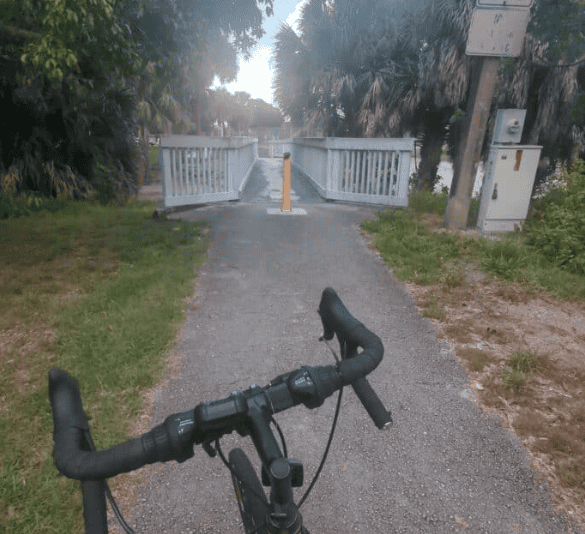
Route choice matters more than speed when you’re new. Early on, I obsessed over the shortest route instead of the calmest one, and that was a mistake. A slightly longer ride with fewer intersections and slower traffic is way easier on your nerves and your learning curve.
Gear doesn’t fix bad habits, but the right basics help. A properly fitted helmet, tires at the correct pressure, and working brakes make a noticeable difference in control. I ignored tire pressure for way too long, and once I fixed it, the bike instantly felt more stable.
The biggest beginner safety tip I can give is to slow your brain down, not just your body. Look farther ahead, breathe, and ride like things might go wrong so you’re ready when they do. That mindset alone prevented more crashes than any single piece of gear ever did.
Cycling Safety Tips for Riding in Traffic
Riding in traffic used to stress me out more than any hill ever could. Cars felt fast, unpredictable, and honestly a little intimidating, especially when lanes got tight. Over time, I learned that most of that fear came from not knowing where I should be on the road.
One of the biggest mistakes I made early on was hugging the curb, trying to stay out of traffic or so I thought. It actually made drivers squeeze past me with inches to spare. Once I started riding a bit more into the lane where it made sense, cars passed wider and interactions got calmer.
Being predictable matters more than being nice. I used to hesitate at green lights, wave cars through, or second-guess turns, and that confused everyone around me. Now I signal clearly, look where I’m going, and commit, even if it feels awkward at first.
Eye contact is underrated when riding in traffic. At intersections, I try to lock eyes with drivers whenever possible, because it confirms I’ve been seen. When I don’t get that acknowledgment, I assume the car might move and I adjust accordingly.
Lane positioning is where safety really clicks. If the lane is too narrow for a car to pass safely, I take the lane fully instead of inviting a dangerous overtake. It felt wrong at first, but it actually reduced close calls almost immediately.
The biggest traffic-related lesson I learned is to ride like drivers will make mistakes. Not because they’re bad people, but because humans mess up. When I expect that and leave myself space to react, traffic riding feels controlled instead of chaotic.
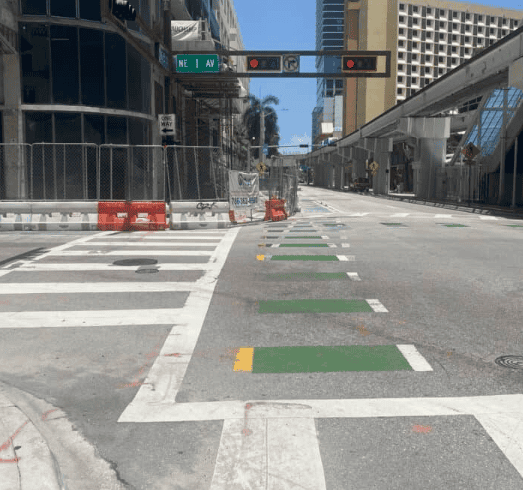
Cycling Safety Tips for Urban and City Riding
City riding taught me fast that roads don’t behave the same way they do on quieter routes. Everything feels compressed, louder, and more chaotic, and early on. At the same time surprisingly the rush of cars in more suburban areas are louder imo. Once I stopped fighting the city and started riding with its rhythm, things got noticeably smoother.
The biggest urban hazard isn’t cars moving fast, it’s cars swerving unpredictably. Ride past a line of parked cars long enough, and you’ll eventually see a door swing open without warning, and yeah, I learned that lesson a little too close for comfort. Now I ride outside the door zone whenever possible, even if that means owning my space more confidently.
Bike lanes in cities are a mixed bag. Some are fantastic, others just funnel you directly into drains, debris, and delivery trucks that treat them like loading zones. I learned to treat bike lanes as optional tools, not rules, and that mindset alone reduced stress and near-misses.
Intersections in urban areas deserve extra respect. I slow slightly, scan left-right-left again, and assume at least one driver is going to do something unexpected. When the light turns green, I don’t sprint immediately anymore, because late left turns and red-light runners are way more common than people admit.
Urban cycling safety also comes down to timing. Riding ten minutes earlier or later can completely change traffic behavior, especially during commute hours. I’ve adjusted my schedule before just to avoid peak chaos, and the ride quality improved instantly.
The biggest city riding lesson I’ve learned is to stay mentally ahead of the bike. Look far, plan exits, and never let frustration rush your decisions. Cities reward calm, deliberate riding, and once you get that down, urban cycling actually becomes kind of fun in its own weird way.
Cycling Safety Tips for Visibility and Being Seen
I used to think visibility just meant wearing bright colors, and honestly I didn’t take it that seriously at first. I figured if it was daytime and I could see cars, they could see me too. That belief got shaken after a driver pulled out in front of me at noon and later said, “Sorry, I didn’t see you,” which was frustrating in a very specific way.
What I learned is that visibility isn’t just about color, it’s about contrast and movement. A dark jersey on a shady road, even during the day, blends in way more than you’d expect. I started paying attention to where light hits the road and choosing gear that pops against that background, not just what looks good on a hanger.
Lights changed the game for me, even in daylight. I have a couple articles about this but I find it benefits me and everyone else. Running a front and rear light in blinking mode during the day felt excessive at first, and not even just drivers also bikes on paths. There’s good data showing daytime running lights reduce collision risk, and after seeing how cars reacted differently, I was sold.
Reflective gear works best when it moves. Ankles, pedals, and wheels catch attention faster than a reflective logo on your chest. I added reflective strips near my shoes, and suddenly drivers could tell I was a cyclist, not just a random object on the road.
Positioning matters just as much as gear. If you’re hidden behind parked cars or riding in shadows near the curb, no amount of neon will fix that. I ride where I’m most visible, even if it feels bold, because being seen early beats being polite and invisible.
The biggest lesson I learned about visibility is to never assume you’ve been noticed. I act like I’m invisible until proven otherwise, especially at intersections. Once I adopted that mindset, close calls dropped way down and rides felt calmer instead of tense.
Cycling Safety Tips for Night Riding
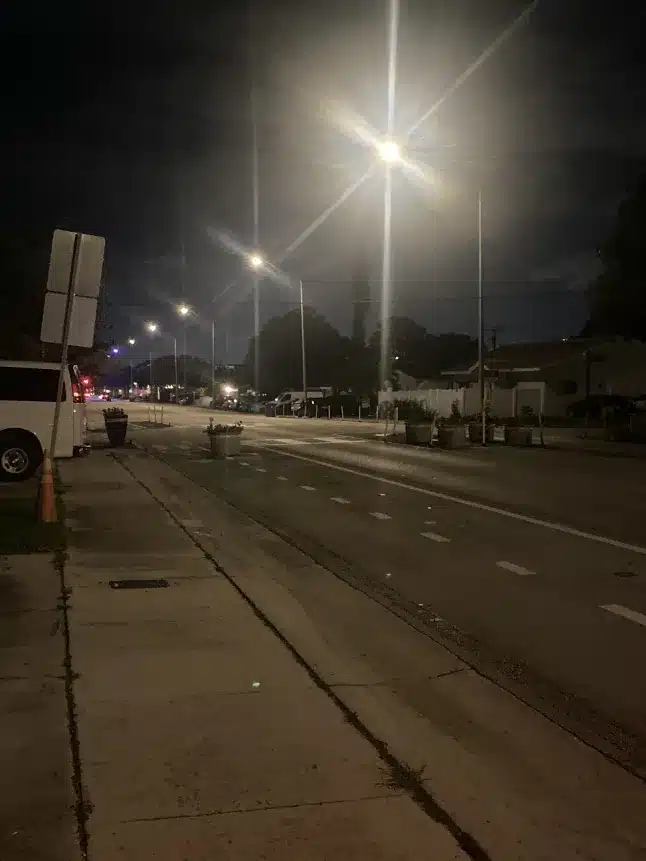
Night riding used to feel kind of sketchy to me, mostly because everything familiar suddenly looked different. Roads I knew well in daylight felt narrower, darker, and way less forgiving after sunset. The first mistake I made was assuming my daytime habits would work just fine at night, which they didn’t.
Lights matter more than people realize, and not just having them, but setting them up right. I once rode with a front light pointed too high, which lit up trees and signs but not the actual road surface. After lowering the beam to hit about 20–30 feet ahead, potholes and debris stopped surprising me.
Rear lights are about communication, not decoration. A solid or pulsing rear light tells drivers exactly where you are and how fast you’re moving. I noticed cars gave me more space once I switched to a brighter, consistent rear light instead of a weak blinker.
Speed management becomes a safety tool at night. I don’t ride as fast because reaction time drops when visibility drops, even with good lights. Slowing down a little gave me more time to process shadows, animals, or cars pulling out late.
Clothing plays a different role after dark. Reflective elements work best when they’re moving, so ankles and feet are way more effective than a reflective logo on your back. I didn’t believe that until I saw how drivers reacted sooner when pedal reflectors caught their headlights.
The biggest night riding lesson I learned is to ride like the road is hiding something from you. Assume there’s gravel in the corner, a car rolling a stop sign, or a pothole you forgot about. That mindset sounds cautious, but it actually makes night rides feel controlled instead of tense.
Cycling Safety Tips for Weather Conditions
Weather taught me some of my most humbling cycling lessons. I used to ride the same way no matter what the sky was doing, because I didn’t want the weather to “win.” That mindset worked great right up until traction disappeared, and I realized physics doesn’t care about pride.
Rain completely changes how a bike behaves. Braking distances get longer, painted lines turn slick, and manhole covers become ice rinks. I learned to brake earlier and lighter, especially on descents, because grabbing a handful in the rain rarely ends well.
Wind is sneakier than rain. A sudden crosswind can push you sideways, especially when passing gaps between buildings or trucks. I now keep a slightly looser grip and stay mentally ready for that shove, instead of tensing up and overcorrecting.
Cold weather messes with reaction time more than I expected. Stiff fingers mean slower braking and shifting, even with gloves on. I started warming my hands before rides and choosing gloves that still let me feel the brake levers properly.
Heat creates its own safety issues too. Fatigue sets in faster, focus drops, and dehydration sneaks up quietly. On hot days I ride shorter, drink earlier, and accept that backing off the pace is a safety decision, not a weakness.
The biggest weather-related safety lesson I learned is knowing when to say no. Not every ride has to happen, and skipping one sketchy weather day saved me from way more trouble than pushing through ever did. Riding smart sometimes means riding tomorrow instead.
Conclusion
Cycling safety tips aren’t about riding scared they’re about riding smart. The safest cyclists aren’t the fastest or the most aggressive; they’re the ones who stay visible, predictable, and aware.
Every small habit you build compounds over time, turning close calls into non-events. I learned that you can’t blame every event or issue with safety or even crashing on a car, you can be careful and do things right and enjoy your bike ride the most.
If you want cycling to stay fun, freeing, and sustainable for years to come, safety isn’t optional it’s foundational. Ride smart, respect the road, and keep stacking miles the right way