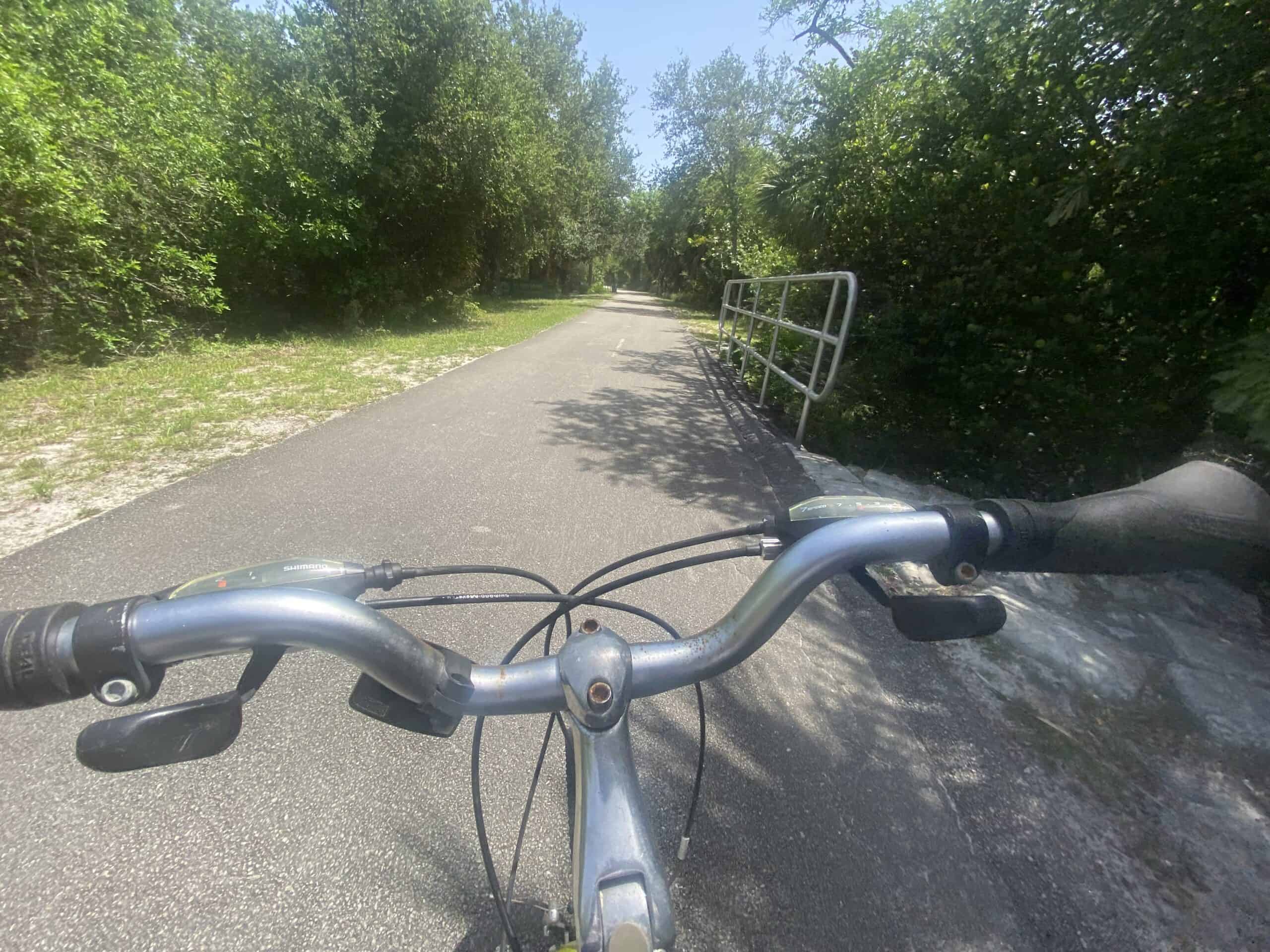
Cycling Posture Basics: How to Ride Stronger and Safer
A harsh truth I’ve heard somewhere online: “Bad posture wastes energy before you start moving.” Cycling posture basics sound boring… until your neck is screaming, your hands are numb, and your lower back is cooked halfway through a ride. It’s a matter of maintenance of self and nothing a tune-up can fix.
The truth? Most cycling discomfort isn’t about fitness; it’s about how you’re sitting on the bike. Small posture mistakes quietly drain energy, limit breathing, and increase injury risk over time. And the worst part? Most riders don’t even realize they’re doing it.
I’m Caleb, and I’ve been cycling for over a decade, some recreational, some mountain biking, mostly commuting. I’ve learned a lot about harsh weather situations, handling, and showing you how to get through a lot of tough situations on a bike, and I’m sharing them below.
I’ll have you take a look at cycling posture, and how it affects small details like road biking basics, cycling cadence, and how adjusting the bike seat affects your ride. Plus, adjust your bike commuting distance. Just practical, real-world posture tips you can feel immediately, whether you’re riding roads, trails, or the bike path down the street.
Why Cycling Posture Matters More Than You Think
True Story, I used to bike every day, everywhere, and… there are many different ways of posture but over time my shoulders were hurting more than my legs, and my hands wore away from letting go and touching the handlebars again and again. I called off work more than one time because of this.
Everyone has seen the angle for road bikers, the casual cyclist, and if you find yourself on trails, a mountain biker, then you know that the posture is so important for flow, and it’s taught me a lot. What really surprised me is how much posture affects power transfer and pedaling efficiency. When my posture was sloppy, with hunched shoulders, locked elbows, and hips sliding around, it felt like my legs were working hard, but nothing was actually going into the pedals.
Once I cleaned things up a bit, neutral spine, light bend in the arms, core engaged just enough, the bike felt smoother. Same legs, same effort, but suddenly more speed. It wasn’t magic. It was just better alignment, letting force move cleanly from the hips to the pedals instead of leaking out through tension.
Poor cycling posture doesn’t always hurt right away. It just slowly drains you. With my story above my upper body became toast. Shoulders burning, neck stiff, hands tingling. It ruined me outside of cycling. When you’re slumped or reaching too far, muscles that should be relaxed are working overtime just to hold you up. Over time, that adds up. You get tired faster, even on rides you’ve done a hundred times before.
Neck pain becomes so common, especially if your head is craned forward instead of stacked over your shoulders. Lower back pain shows up when the pelvis is tilted wrong or the core isn’t doing its job. Wrist and hand pain usually means too much weight is dumped onto the bars. I used to blame my saddle, my grips, even my gloves. Some of that helped, sure, but fixing my posture helped way more.
Long-term injury risk is the part nobody likes to talk about, but it matters. Bad riding position, repeated over thousands of miles, can lead to chronic knee issues, nerve compression in the hands, and ongoing back problems. It’s not dramatic at first. It’s just this dull, recurring stuff that keeps coming back. And once it’s there, it’s harder to undo. Ask me how I know. Actually, don’t.
The worst thing you can do is “tough it out.” I did that for years. Ignored the warning signs. Figured pain was just part of riding. But toughing it out usually makes posture problems worse, not better. You may do one long ride a year then have no more Strava results to show. You shift. You tense up. Suddenly one small issue turns into three bigger ones. Progress slows, frustration builds, and riding stops being fun.
Once I started treating cycling posture basics as foundational, not optional, everything improved. Rides felt easier. Recovery was faster. And weirdly enough, I started enjoying long rides more instead of counting the miles until I could get off the bike. That’s when it really clicked for me. Posture isn’t about comfort alone. It’s about riding better, longer, and staying healthy enough to keep doing it.
Neutral Spine and Upper Body Position Explained
Let’s assume you haven’t heard of neutral spine. On a bike, though, a neutral spine doesn’t mean stiff or upright. It means your spine keeps its natural curves while you’re riding, not overly arched and not rounded like you’re slouching at a desk. You see road bikers and mountain bikers doing a mix of this position. When I finally understood that, posture stopped feeling forced and started feeling… normal.
On the bike, a neutral spine usually looks like a gentle hinge forward from the hips, not the lower back. Your back isn’t flat-flat, and it’s definitely not hunched. There’s a soft curve through the upper back, and your head feels stacked over your shoulders instead of dangling out in front. A good cue I use is this: if I can take a deep breath without my chest collapsing, I’m probably close. If breathing feels tight or shallow, something’s off.
The difference between relaxed and collapsed posture took me a while to feel. Relaxed posture feels loose but supported. Collapsed posture feels lazy, even if you don’t notice it at first. When I collapse, my chest caves in, shoulders roll forward, and suddenly my neck is doing all the work holding my head up. It feels easier for about five minutes. Then the tension creeps in. Relaxed posture, on the other hand, has a little tone in it. Not rigid. Just enough engagement to hold shape.
Shoulder position plays a huge role here. I used to ride with my shoulders shrugged up toward my ears, especially when pushing hard or riding into the wind. Total trap burner. Once I learned to let my shoulders drop down and slightly back, neck and trap tension dropped fast. A simple check mid-ride is to shrug your shoulders up on purpose, then let them fall. That “fall” position is usually closer to where you want to be.
Overreaching is another posture killer that I didn’t realize I was doing. If your bars are too far away, or you’re sliding forward on the saddle, the back and shoulders end up strained. You’ll feel it as tension between the shoulder blades or a sore lower back after rides. Sometimes it’s a bike setup issue. Sometimes it’s just riding lazy and creeping forward over time. Either way, it pulls you out of neutral alignment.
What helped me most was checking in often instead of trying to “set it and forget it.” Posture drifts when you’re tired. That’s normal. A quick reset, hinge at the hips, soften the arms, drop the shoulders, open the chest, usually fixes things. Neutral spine and upper body position aren’t about perfection. They’re about awareness. And once you start noticing how good alignment feels, bad posture gets harder to ignore, which is honestly a win.
Hand, Arm, and Shoulder Position Basics
This was the section that finally made everything click for me, mostly because my hands kept going numb and I was tired of pretending it was “normal.” For a long time, I rode with straight, locked arms because it felt stable. Turns out, locked arms are basically shock absorbers that don’t absorb anything.
Here’s an exercise, stick your arms all the way out and see how it feels to you. Probably pretty hard to move and stressed out. Once I started riding with a slight bend in my elbows, just enough that they could flex, the bike felt calmer underneath me. Control went up. Pain went down.
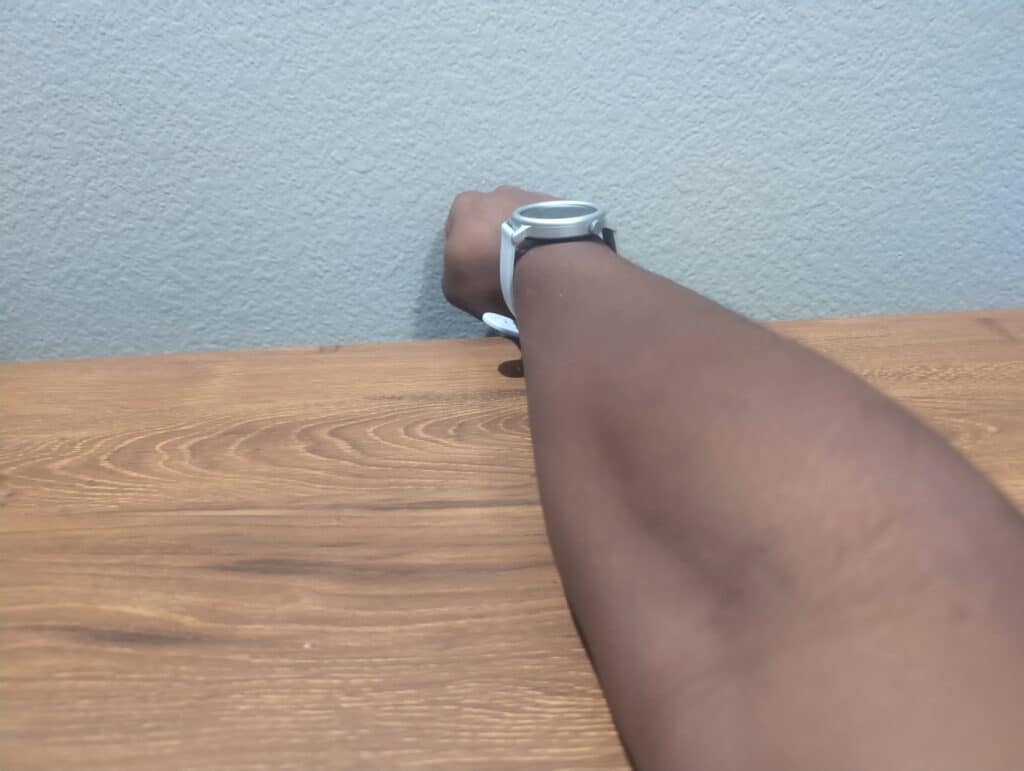
That elbow bend doesn’t need to be dramatic. You’re not doing push-ups. Think soft, springy arms instead of rigid poles. When arms are locked, steering gets twitchy and fatigue builds fast. On rough surfaces especially, bent elbows let the front end float instead of deflecting. I didn’t believe this until I felt it myself. After that, I couldn’t un-feel it.
Hand pressure is another big one. If most of your weight is sitting on your hands, something upstream is wrong. Usually it’s posture, saddle position, or reach. When I was dumping too much weight onto the bars, I got wrist pain and this weird tingling in my fingers that wouldn’t go away. Nerve compression is real, and it sneaks up on you. The fix wasn’t better gloves. It was shifting more weight back through my hips and engaging my core so my hands could relax.
A good cue mid-ride is to wiggle your fingers. If you can’t do that easily, you’re gripping too hard. I still catch myself death-gripping the bars when I’m tired or stressed. When that happens, I remind myself that the bars aren’t trying to escape. Loosening the grip usually helps shoulder tension too, which brings me to the next point.
Shoulder relaxation is huge, and it’s easy to forget. Shoulders love to creep upward when effort increases. A quick check I do is rolling my shoulders backward once or twice while riding. If they feel stuck or tight, I know I’ve been holding tension. Letting them drop down and back slightly takes pressure off the neck and upper traps. Breathing usually gets better right after too, which is a nice bonus.
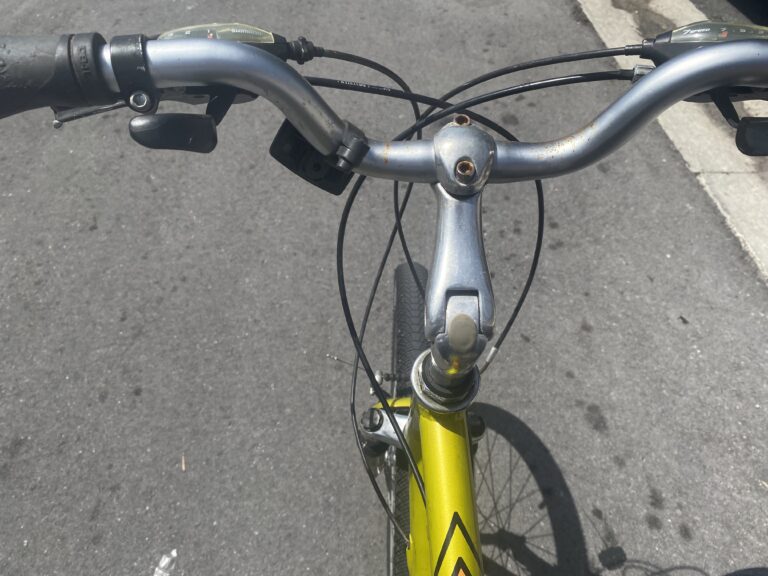
Changing hand positions matters more than people think, especially on longer rides. Staying in one position for too long is a fast track to numbness and fatigue. On flat bars, I move between grips, bar ends, and slight hand rotations. On drop bars, switching between tops, hoods, and drops keeps blood flowing and muscles fresh. Even small changes help. You don’t need to be fancy about it.
If you’re doing all this and still struggling, your bars or reach might be too aggressive. Signs include constant wrist pain, sore shoulders after short rides, or feeling like you’re always stretching to reach the bars. I ignored those signs for way too long. Sometimes a shorter stem, higher bar, or different handlebar shape fixes everything. It’s not cheating. It’s just smart setup.
Once I cleaned up my hand, arm, and shoulder position, riding stopped feeling like a constant upper-body workout. My arms became supports instead of load-bearing beams. And that change alone made longer rides feel way more doable.
Core Engagement and Lower Body Alignment
For a long time, I thought my arms were doing all the work of holding me on the bike. If I felt unstable, I’d grip harder and brace my shoulders. That worked… kind of. But it also made me tired fast and left my upper body sore after rides that shouldn’t have been that hard.
What I didn’t realize back then is that core stability, that feeling in your chest when you bend your upper body back, matters way more than arm strength when it comes to good cycling posture. Your core is the bridge between your upper and lower body. If that bridge is weak or disengaged, everything else has to compensate.
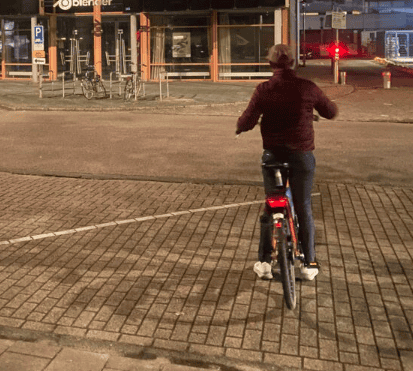
When the core isn’t doing its job, weight shifts forward onto the hands and arms. That’s when wrists hurt, shoulders tense up, and steering feels unsteady. Engaging your core without stiffening up is the tricky part. I messed this up at first by overdoing it. I’d tense my abs think about the upper of the body, like I was lifting something heavy, and after ten minutes, I was exhausted.
That’s not what you want. Good core engagement on the bike is subtle. Think of gently tightening a belt one notch. Just enough support to keep your torso steady while still breathing normally. If you can’t breathe deep, you’re doing too much.
Hip alignment is where pedaling efficiency really shows up. When hips are stable and level, each pedal stroke feels smooth and even. When they’re not, you’ll notice rocking side to side, especially at higher cadence where your axles spin super fast or when you’re tired. I used to think that was just how hard riding looked. Turns out, it was wasted energy. Once I focused on keeping my hips quiet and centered over the saddle, pedaling felt cleaner. Power went straight down into the pedals instead of leaking sideways.
Knee tracking is closely tied to this. IDEALLY, knees should move in a mostly straight line, tracking over the feet. Common mistakes I see, and used to make, include knees flaring outward or collapsing inward. When the core and hips aren’t stable, knees wander. That can lead to knee pain over time, even if it doesn’t hurt right away.
Better posture also supports smoother cadence and better control. When the core is engaged and the lower body is aligned, spinning at a higher cadence feels easier. There’s less bouncing, less upper-body movement, and more rhythm. I noticed this most on longer rides. Toward the end, when fatigue hits, posture usually falls apart first. If I catch it early and reset my core and hips, cadence comes back under control, and riding feels manageable again.
This stuff isn’t flashy, and it takes awareness to build. But once core engagement and lower body alignment improve, the bike feels more stable, more efficient, and honestly more fun. It’s one of those changes that doesn’t scream at you right away, but after a few rides, you wonder how you ever rode without it.
Saddle Position and Pelvic Tilt Fundamentals
I used to think saddle setup was just about comfort. If it hurt, I assumed I needed more padding or a different seat. That mindset kept me stuck for a while. What finally changed things was realizing how much saddle position affects posture from head to toe.
When the saddle is off, even slightly, the whole system compensates, you start using your upper body to lean. Your hips shift, your back rounds or arches, and suddenly your hands and shoulders are taking the blame for something that started way lower.
Saddle height is the first domino. When it’s too low, the hips feel cramped and the knees stay bent too much at the bottom of the stroke. I’d feel this as early quad burn and a kind of squashed feeling in my torso. Too high is just as bad. The hips start rocking side to side, toes point down to reach the pedals, and the lower back gets irritated. I rode like that longer than I should’ve because it felt fast at first. It wasn’t. It was just inefficient and eventually painful.
Pelvic tilt sounds complicated, but it’s actually pretty simple. Neutral pelvic tilt means your pelvis sits naturally on the saddle, not tipped way forward or tucked under. Excessive forward tilt usually shows up as pressure in the hands and strain in the lower back. Excessive backward tilt feels like you’re slouching, with your tailbone taking too much load. I bounced between both before I found neutral. When it clicked, my upper body relaxed almost instantly.
There are some clear signs your saddle height is off if you pay attention. Too low often shows up as knee pain in the front, heavy quad fatigue, and difficulty spinning smoothly. Too high shows up as hip rocking, hamstring tightness, and sore lower back after rides. I ignored those signs for a long time because the ride itself felt “fine.” The after-effects told a different story.
Saddle setback, how far forward or back the saddle sits, affects comfort and power more than most people realize. Too far forward and you’ll feel crowded, with extra weight on your hands and arms. Too far back and pedaling can feel disconnected, like you’re pushing behind yourself instead of down. Once I adjusted setback so my hips felt centered over the pedals, power felt more direct. Climbing especially improved.
The biggest lesson I learned is that saddle discomfort often starts with posture, not padding. A cushy saddle can hide bad alignment for a while, but it doesn’t fix it. In fact, too much padding can make things worse by allowing more movement and instability. When posture is solid and the pelvis is neutral, even a firmer saddle can feel surprisingly comfortable.
Getting saddle position right takes patience. Small changes matter. But once it’s dialed, posture improves everywhere else. Hands lighten, shoulders relax, and riding starts to feel balanced instead of forced. That’s when you know you’re close.
Common Cycling Posture Mistakes Beginners Make
I don’t say this to knock beginners, because I made every single one of these mistakes myself. Some of them I still catch from time to time when I’m tired or distracted. Cycling posture mistakes usually aren’t obvious right away. They feel fine… until they don’t. That’s what makes them tricky, especially early on when everything about riding feels new.
Hunching the shoulders and orienting the neck forward is probably the most common one. I did this constantly, especially when trying to look ahead or ride into the wind. The shoulders creep up, the upper back rounds, and the head sticks out like a turtle. It feels natural for a few minutes, but the neck pays the price later. A good fix is thinking about stacking the head over the shoulders instead of reaching with the chin. When I do that, tension drops almost immediately.
Gripping the handlebars too tightly is another classic. New riders tend to death-grip the bars because it feels safer. I know I did. The problem is that tight grip sends tension straight up into the forearms, shoulders, and neck. It also makes steering jerky. When I loosened my grip, even just a little, control actually improved. One simple trick is checking if you can wiggle your fingers while riding. If you can’t, you’re gripping too hard.
Locking the elbows shows up a lot on rough terrain or when riders feel unsure. Straight arms feel stable, but they turn your upper body into a rigid structure. Every bump goes straight into your joints. I used to bounce all over the bike on rough sections and blamed my suspension or tires. Turns out, my elbows were locked. Once I learned to keep a soft bend, the bike tracked better and my body stopped taking such a beating.
Sitting too far back or too far forward is another posture issue that sneaks in. Too far back and the front end feels light, steering gets vague, and climbing becomes awkward. Too far forward and everything feels cramped, with extra pressure on the hands. I spent a long time sliding around on the saddle mid-ride without realizing it. Paying attention to where my hips naturally want to sit helped me find a more balanced position.
The biggest mistake, though, is ignoring posture until pain becomes constant. I did that for years. I assumed discomfort was just part of cycling. But pain is feedback. When it keeps coming back in the same spots, it’s usually posture, not toughness, that needs fixing. The longer you ignore it, the harder it is to unwind those habits.
The good news is that these mistakes are fixable. None of them require being stronger or more flexible right away. They just require awareness. Once you start noticing posture patterns, good and bad, you can correct them early instead of riding straight into injury. And that alone makes the learning curve way less painful.
How to Check and Improve Your Cycling Posture Today
For a long time, I thought improving cycling posture meant stopping the ride, leaning the bike against a wall, and overthinking everything. The good news is you don’t need a mirror, a coach, or a full reset to make progress. Some of the most effective posture checks can be done while you’re rolling, which is how I finally started fixing things in real time instead of guessing later.
One simple posture self-check I use mid-ride is the “scan.” Every few minutes, especially when effort increases, I mentally scan from head to hips. Are my shoulders creeping up? Are my elbows locked? Am I gripping the bars like they owe me money? If I notice tension, I reset. Drop the shoulders. Bend the elbows. Lighten the hands. It takes maybe five seconds, but it saves a lot of discomfort later. Another good check is breathing. If breathing feels shallow or tight, posture is usually off somewhere.
Off the bike, mobility matters more than people think. I used to ignore it because stretching felt boring and optional. Turns out, tight hips and upper back stiffness were quietly wrecking my riding posture.
Hip stretches helped me hinge forward more cleanly instead of rounding my back. Gentle rotations through the spin or foam rolling the upper back, made it easier to keep my chest open on the bike. Nothing fancy. Just consistent.
Small bike adjustments can make a huge difference, and this surprised me the most. A few millimeters of saddle height, a slightly shorter stem, or raising the bars just a bit completely changed how my posture felt. I resisted those changes at first because I thought comfort meant slower. It doesn’t. If you’re constantly fighting your position, you’re wasting energy. Once my setup matched my body better, posture improvements stuck instead of falling apart after ten minutes.
Knowing when to get a professional bike fit is important too. I waited too long because I thought fits were only for racers. That’s not true. If you’ve adjusted things yourself and still deal with recurring pain, numbness, or frustration, a bike fit is usually worth it. A good fitter doesn’t just move parts. They explain why. That knowledge sticks with you long after the session ends.
The biggest takeaway for me was this: posture improves through awareness, not perfection. You don’t fix it all at once. You notice, adjust, and repeat. Over time, good posture becomes the default instead of something you constantly chase. And when that happens, riding feels smoother, easier, and a lot more enjoyable, which is kind of the whole point.
Conclusion
Cycling posture basics aren’t about looking “pro” they’re about riding longer, stronger, and pain-free. Once your posture improves, everything else clicks: smoother pedaling, easier breathing, better control, and less soreness after rides.
Start small. Relax your shoulders. Bend your elbows. Stack your posture instead of fighting the bike. Your body will thank you and your rides will feel completely different.
If you want to ride more and hurt less, posture isn’t optional. It’s foundational.