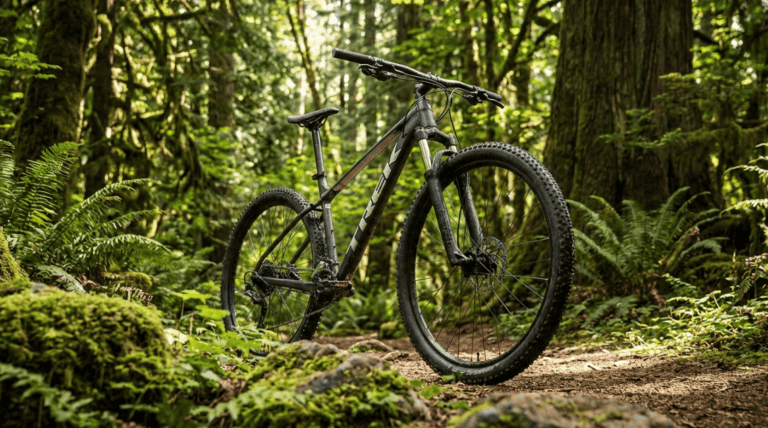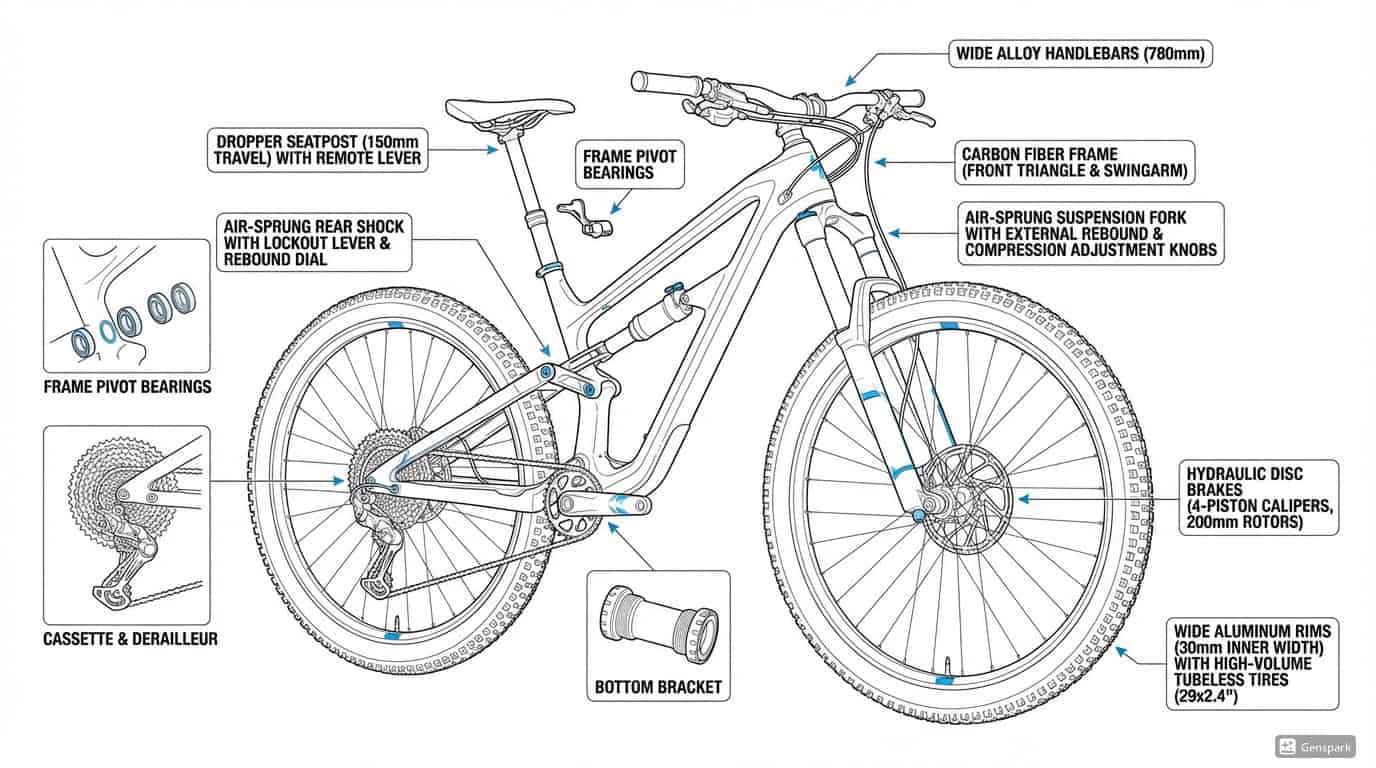
Trail mountain bikes are amazing for traversing our mountains in the States.
They’re actually designed specifically for that reality, offering enough efficiency to make climbs enjoyable while still delivering confidence and control, to put it simply.
For many riders, especially me lately, a trail bike became that long-term choice for its adaptability when traveling in different terrains, especially places like NC that don’t allow electric mountain bikes.
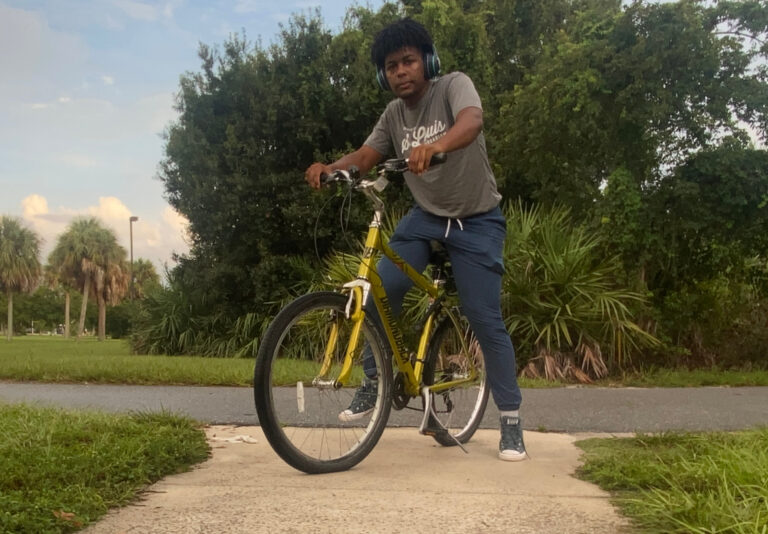
I’m Caleb, and I’ve been cycling for the past seven years with a large focus on mountain biking that has been PEAKING my interest, pun intended.
And I’ve been covering hardtail mountain bike geometry for so long it’s good to cover another topic here, but also get the best mountain bikes since this is something you’ll need after getting one.
You can head out for a short after-work loop, plan an all-day ride in unfamiliar terrain, or travel to a new trail system without feeling underbiked or overbuilt. If you want one mountain bike that grows with your skills and works across the widest range of trails, the trail category is built precisely for that purpose.
Trail Bike Basics: Travel, Geometry, and Suspension
To put it simple when discussing geometry, we always have to mention the suspension range, as such this can be 120–150 mm in the rear and 130–160 mm up front and here’s a depiction of it.
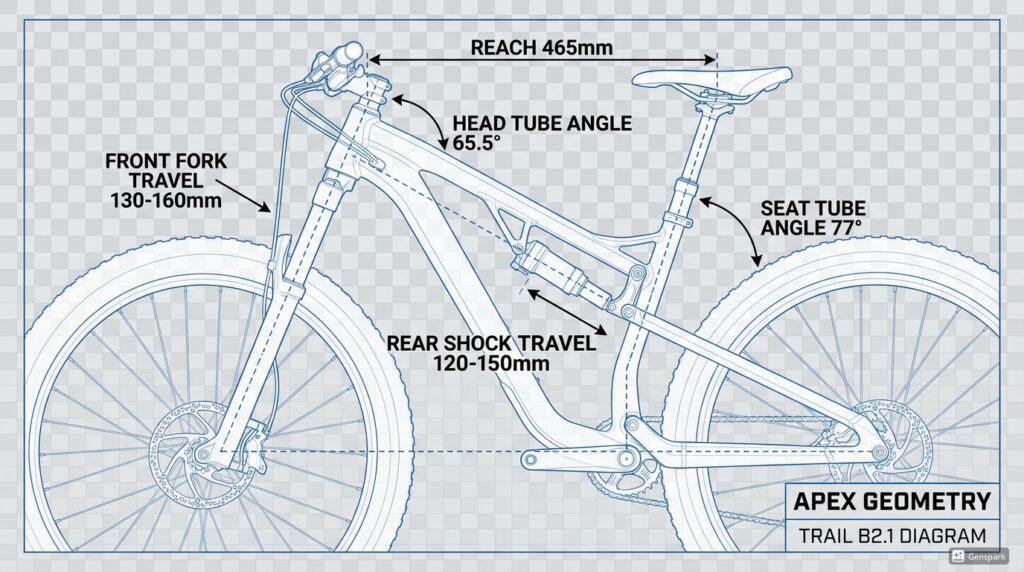
The range exists to strike a balance between efficiency and forgiveness. Shorter-travel trail bikes feel quicker and more responsive, making them ideal for smoother trails and longer rides.
Longer-travel trail bikes offer extra margin for error on rocky, steep, or high-speed terrain, reducing rider fatigue and increasing control. If you understand simply.
Also a bit underplayed but important, don’t sleep on suspension design for it plays a major role. Trail bikes are tuned to provide mid-stroke support so they don’t wallow under pedaling or cornering forces.
At the same time, they remain sensitive enough to track roots and rocks. This balance makes trail bikes feel lively rather than overly plush, preserving trail feedback while still smoothing harsh impacts.
Taken together, travel, geometry, and suspension tuning determine how calm or busy a bike feels on the trail. Well-designed trail bikes minimize unnecessary movement, allowing riders to conserve energy and maintain control across long rides where efficiency and stability matter equally.
Hardtail vs Full-Suspension Trail Bikes
Maybe you’ve noticed, hardtail trail bikes have a simple suspension fork but a rigid rear giving all the benefits of great handling and riding which is why I absolutely recommend a trail bike first as a beginner.
Many riders find that hardtails improve skill development because mistakes are felt immediately rather than absorbed by rear suspension. I’ve already gone into the conversation as well with hardtail mountain bike pros cons.
Hardtails also tend to be more affordable and easier to maintain. Fewer moving parts mean lower service costs and fewer things to go wrong over time. For riders on smoother trails, rolling terrain, or tighter budgets, a hardtail trail bike can deliver excellent performance without feeling limiting.
Full-suspension trail bikes add a rear shock and linkage system that dramatically improves traction and comfort. On rough terrain, the rear wheel stays in contact with the ground more consistently, increasing control during braking and cornering.
This makes full-suspension trail bikes especially appealing for longer rides, rockier trails, and riders who prioritize comfort and confidence over simplicity.
The real distinction comes down to how forgiving you want the bike to be. Hardtails reward precision and efficiency, while full-suspension trail bikes reduce physical strain and smooth out mistakes, especially as trail difficulty and ride duration increase.
Trail Bikes Compared to Other MTB Categories
Trail bikes sit directly between cross-country and enduro bikes, borrowing traits from both without fully committing to either. Compared to XC bikes, trail bikes are heavier and less race-focused, but they offer greater stability, stronger brakes, and more forgiving suspension. This makes them better suited for technical descents and varied trail systems.
Downcountry bikes blur this line slightly by adding travel to lightweight frames, but trail bikes still offer more durability and downhill confidence. Components on trail bikes are chosen to handle repeated impacts rather than pure speed, making them better for aggressive everyday riding.
When compared to enduro bikes, trail bikes feel more efficient and manageable on typical rides. Enduro bikes shine on steep, sustained descents but can feel sluggish on flatter terrain. Trail bikes also differ sharply from downhill bikes, which are purpose-built for lift access and gravity riding.
What separates trail bikes most clearly is versatility. Other categories perform exceptionally well in specific conditions, while trail bikes remain consistently capable across the widest range of real-world riding scenarios.
Key Components That Shape Trail Bike Performance
Important to the conversation is how frame material influences weight, durability, and cost.
Aluminum frames which are common, provide excellent strength and value however the less common but better carbon frames reduce weight and can be tuned for stiffness and compliance, but they come at a higher price and repair cost.
Steel and titanium frames appeal to riders who prioritize ride feel and longevity over weight and can be a bit overkill for some users.
Most importantly, wheel and tire choices do things like support higher-volume tires, increasing grip and stability. Trail bikes typically run durable tire casings that resist punctures while maintaining reasonable rolling speed. Combined with powerful brakes, wide handlebars, and dropper posts, these components give trail bikes their confident, controlled feel.
Importantly, trail bike components are chosen for consistency rather than extremes. The goal is reliable performance over long rides and changing conditions, not marginal gains that only show up in controlled environments.
Who a Trail Bike Is For
Trail bikes are ideal for beginners because they are forgiving and confidence-inspiring.
Stable geometry and capable suspension help new riders stay balanced and composed while learning fundamental skills.
Never forget your features like dropper posts and how strong brakes reduce intimidation plus improve safety early in the learning process.
Intermediate and advanced riders also gravitate toward trail bikes because they don’t limit progression. As skills improve, the same bike continues to feel capable on harder trails and faster descents. Riders can push limits without immediately outgrowing the platform.
Trail bikes are especially well-suited to riders who value variety. If your riding includes fitness loops, technical challenges, exploration, and occasional travel, a trail bike adapts without needing multiple specialized bikes.
They are also ideal for riders who ride frequently. Trail bikes prioritize comfort, efficiency, and durability, making them well-suited for consistent weekly riding rather than occasional niche use.
Strengths and Limitations of Trail Bikes
The primary strength of a trail bike is versatility. One bike can comfortably handle a wide range of terrain and riding styles. Modern trail bikes climb efficiently, descend confidently, and remain comfortable over long distances. This makes them ideal for riders who want to ride more often without constantly adjusting expectations.
Trail bikes also offer strong long-term value. Because they are not extreme in any one direction, they age well as trends change. Geometry and component standards in the trail category tend to remain relevant longer than niche categories.
The limitation is specialization. Trail bikes are not the fastest climbers nor the most stable downhill machines. Riders focused purely on racing or bike park riding may find trail bikes less optimal.
However, for riders who value consistency and enjoyment across many rides, these limitations rarely outweigh the benefits of balance and adaptability.
How to Choose the Right Trail Bike
Fit should be your top priority. Reach, stack, and overall balance affect handling more than small differences in component specs. A bike that fits properly will feel easier to control, especially on steep climbs and descents.
Suspension travel and geometry should match your local trails. If your terrain is smoother, shorter travel and steeper geometry will feel more efficient. Rougher, steeper trails benefit from added travel and slacker angles.
Wheel size choice depends on riding style and body size. Budget decisions should focus on suspension quality, brakes, and tires before weight savings.
Ultimately, the right trail bike is the one that feels intuitive on your local trails. Test rides and honest assessment of where you ride matter more than trend-driven specs.
Setup and Tuning Essentials
Proper setup unlocks a trail bike’s full potential. Suspension sag sets ride height and balance, while rebound and compression adjustments control how the bike reacts to terrain and rider input. Riders who take time to dial in suspension often experience dramatic improvements in comfort and control.
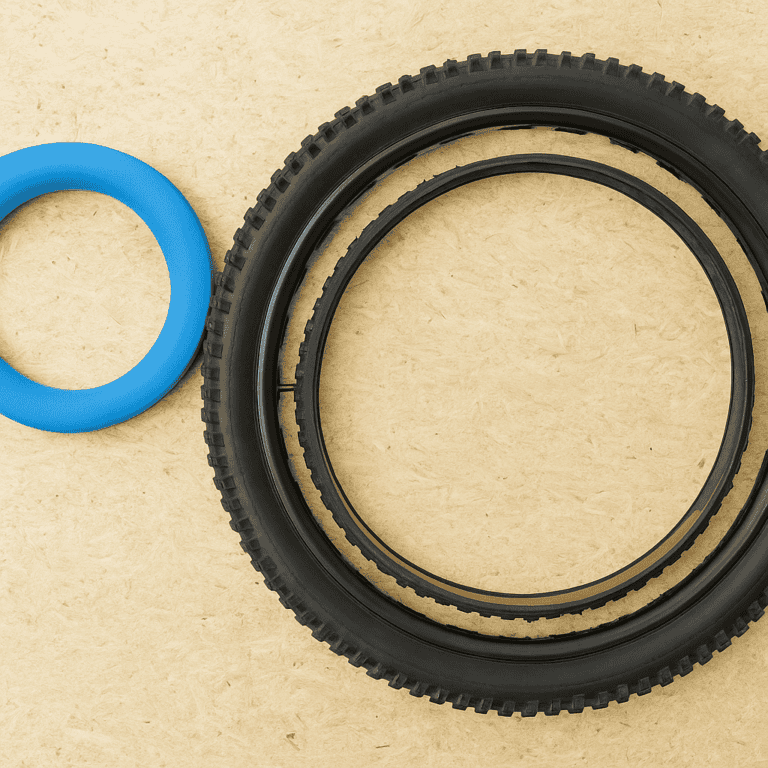
Tire pressure and casing choice directly affect grip and confidence. Tubeless setups allow lower pressures, improving traction and reducing fatigue. Small pressure changes can transform how a bike feels on familiar trails.
Cockpit adjustments also matter. Bar width, brake lever angle, and control placement reduce fatigue and improve reaction time.
Setup is not a one-time task. As skills improve and terrain changes, revisiting setup ensures the bike continues to feel supportive rather than limiting.
Trail Riding Skills That Matter Most
Trail riding rewards balance, vision, and smoothness. Maintaining a neutral stance allows the bike to move beneath you while staying in control. Looking ahead rather than down improves line choice and reduces panic reactions.
Climbing efficiently depends on cadence, traction management, and body positioning rather than brute force. Descending safely requires controlled braking, relaxed limbs, and trust in the bike’s geometry and suspension.
Skill progression should be gradual. Trail bikes support this by offering forgiveness without masking poor technique.
Consistent riding on familiar trails often builds skills faster than constantly chasing harder terrain, especially when focusing on fundamentals.
Etiquette, Safety, and Maintenance
Responsible riding protects trail access. Yielding properly, avoiding muddy trails, and respecting closures help maintain positive relationships with other trail users and land managers. Predictable behavior reduces conflicts and keeps trails open.
Safety also depends on preparation. Carrying basic tools, wearing proper protection, and understanding trail ratings reduce unnecessary risk. Riding within your limits allows skills to develop naturally.
Routine maintenance keeps trail bikes reliable. Pre-ride checks prevent small issues from becoming major problems. Cleaning and lubrication extend component life and improve performance.
Over time, consistent maintenance builds trust in your equipment, allowing you to focus fully on riding rather than worrying about mechanical failures.
Why Trail Bikes Dominate Modern Mountain Biking?
Trail mountain bikes dominate modern mountain biking because they align with how most people actually ride. Riders want one bike that climbs comfortably, descends confidently, and adapts to changing trails and skill levels. Trail bikes deliver that experience better than any other category.
They encourage progression without forcing specialization. Riders can explore new trails, improve technique, and stay fit without feeling limited by their equipment.
They didn’t start me with mountain biking, but they’re the reason why I kept going and do it today.
This adaptability makes trail bikes the most popular and practical choice in mountain biking today. When chosen thoughtfully and set up properly, a trail bike becomes less of a compromise and more of a long-term companion for growth, exploration, and enjoyment on the trail.