Cornering Matters in Mountain Biking
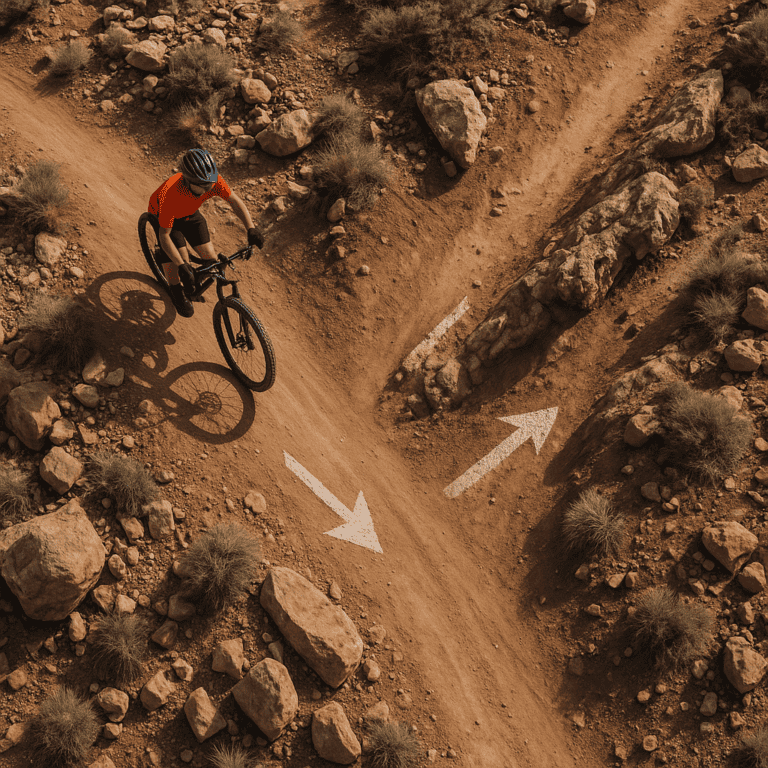
I have to say, cornering well is the quickest way to ride faster with much less risk on any trail. You’ll notice you preserve momentum, reduce braking, and keep your flow smooth from top to bottom. Consider how these mountain bike cornering techniques free up and stress and at the same time, boost confidence while lowering fatigue and crash risk.
I’ll note that there are some mountain biking tips you can start with; however, I want to focus more on the technique that has helped me improve my speed, even on a bike that I wasn’t fully prepared to use for mountain biking.
Cornering Fundamentals
Vision and Head Turn
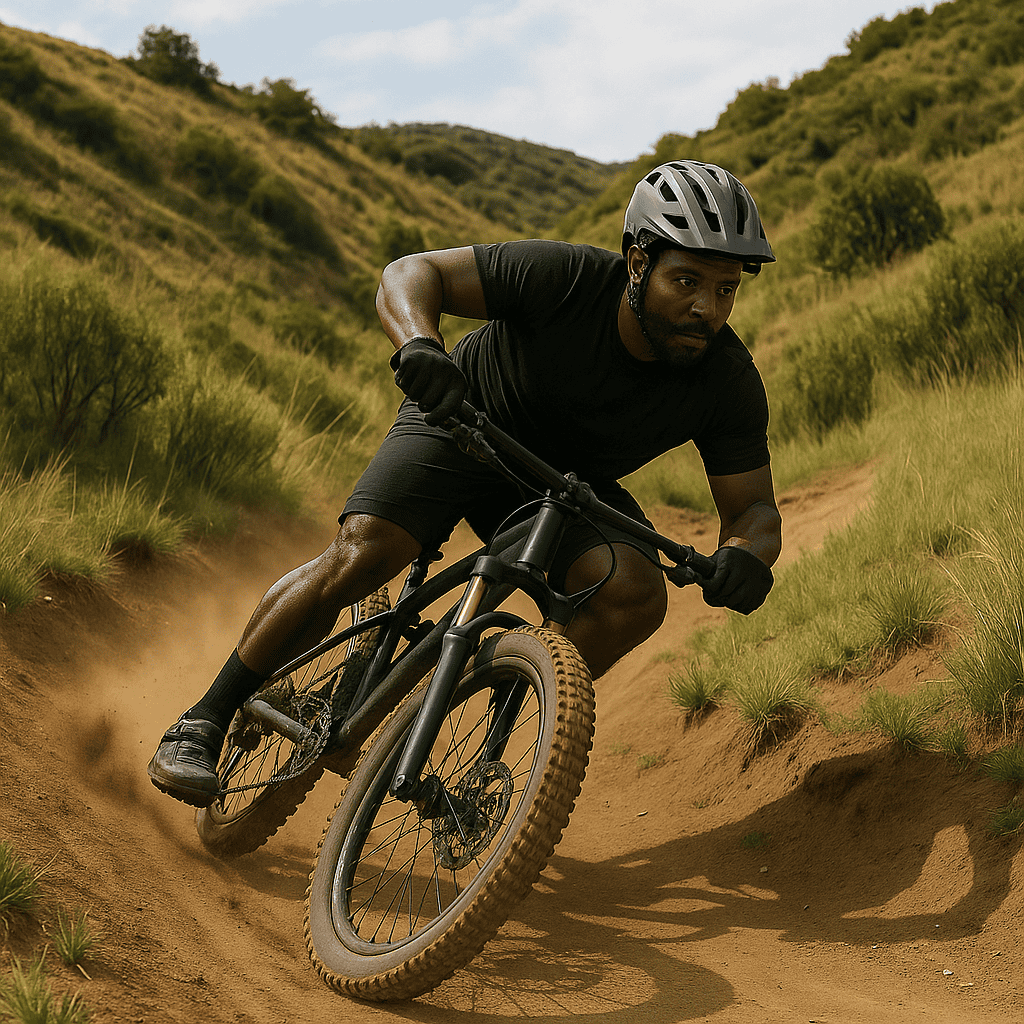
Look where you want to go by turning your head and eyes early toward the exit. Spot the entry, scan the top, and lock your vision through the exit to guide line choice and timing. The bike follows your gaze, so commit your eyes and your body will follow.
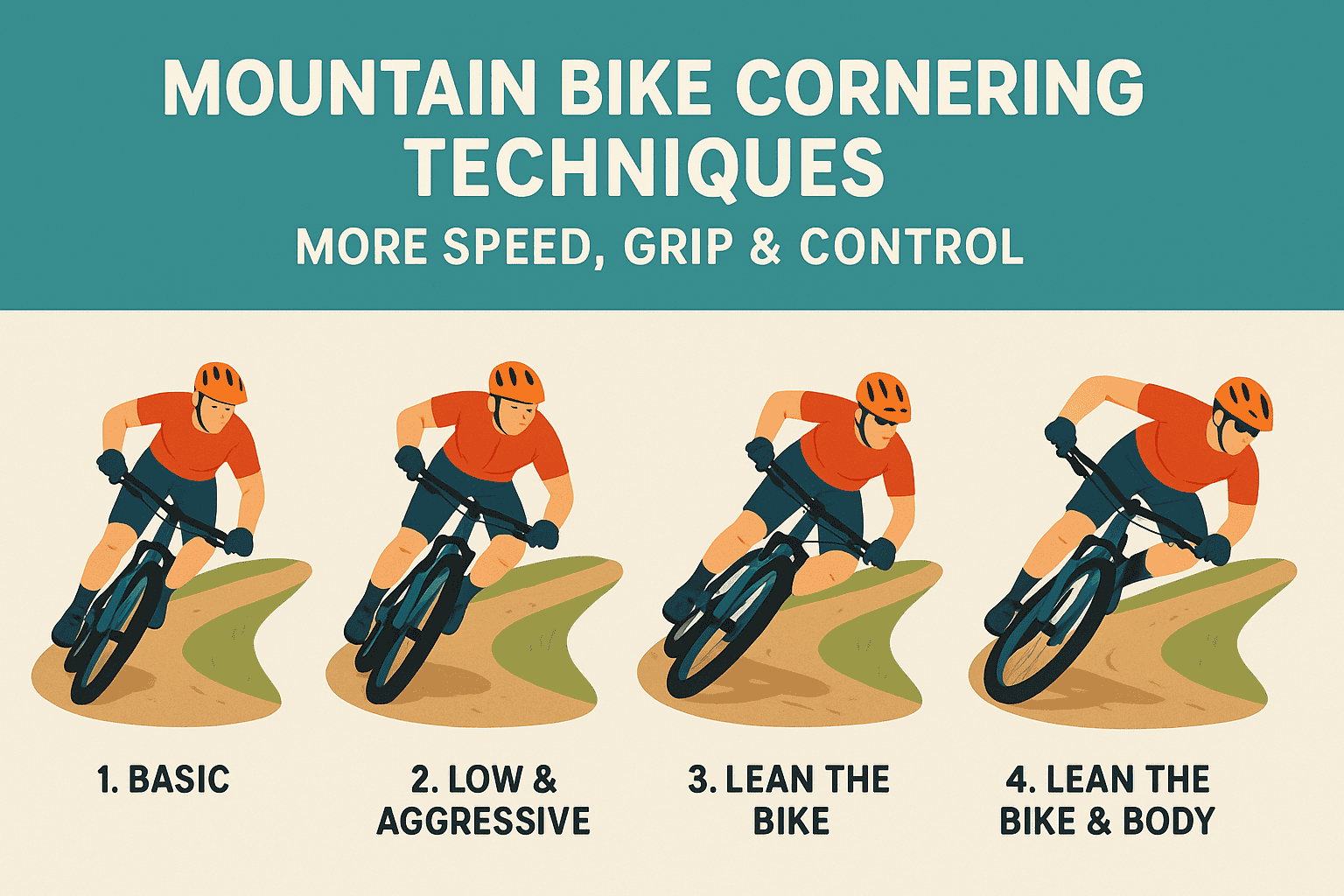
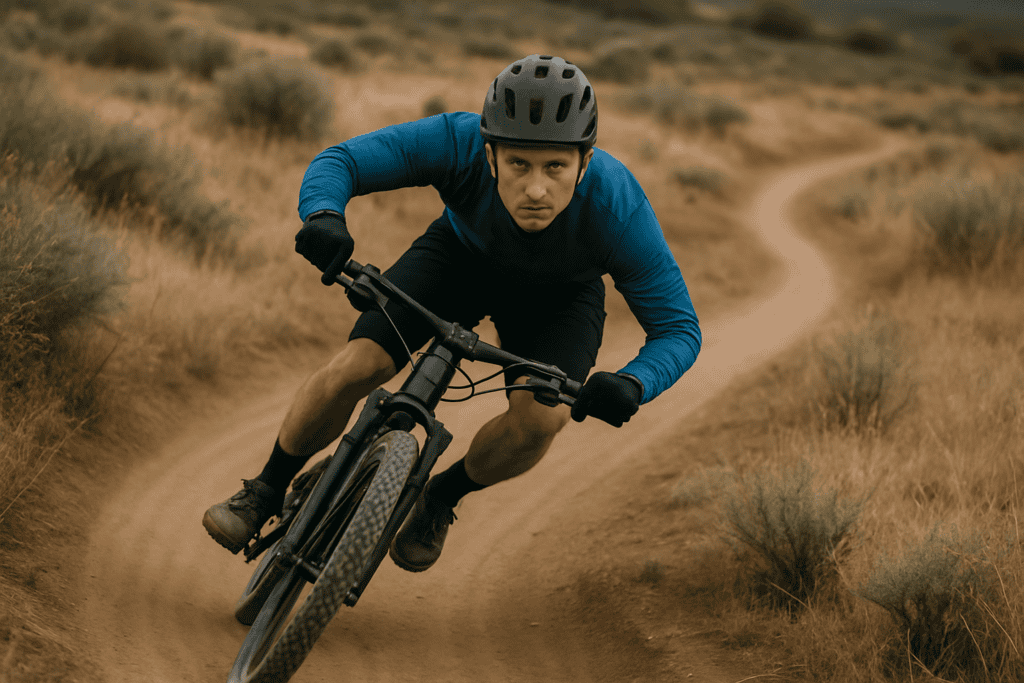
Stay low with a neutral, athletic stance and soft elbows to absorb feedback. Keep your hips centered between the wheels, and separate bike from body by angling the bike while your body remains stable. This bike-body separation maintains traction and lets you lean the bike without overloading the tires.
Weight Distribution
Drive pressure through the outside pedal while keeping the inside hand light to load the front tire without diving. Hips slightly to the outside of the turn improve edge grip and balance. Keep weight balanced front to rear so both tires share the work and maintain predictable traction.
Use an outside–inside–outside line to open the radius and carry speed safely. Time the apex based on the turn’s shape and exit visibility, delaying it when the exit is blind or decreasing radius. Always choose the cleanest, grippiest surface over the shortest path when traction is limited.
Braking Strategy
Do most of your braking before the turn to set speed and traction. If needed, modulate lightly and evenly mid-corner, prioritizing front brake feel while keeping the bike composed. Learn basic trail braking by tapering off brake pressure as you lean, matching speed to grip without spiking forces.
Steer the bike by leaning it, not by turning the bars sharply. Keep your body slightly more upright than the bike to maintain balance and traction while the tires carve. A subtle countersteer input helps initiate lean, then let centripetal force and tire edge hold the arc.
Bike Setup for Better Cornering
Tire Choice and Pressure for Grip
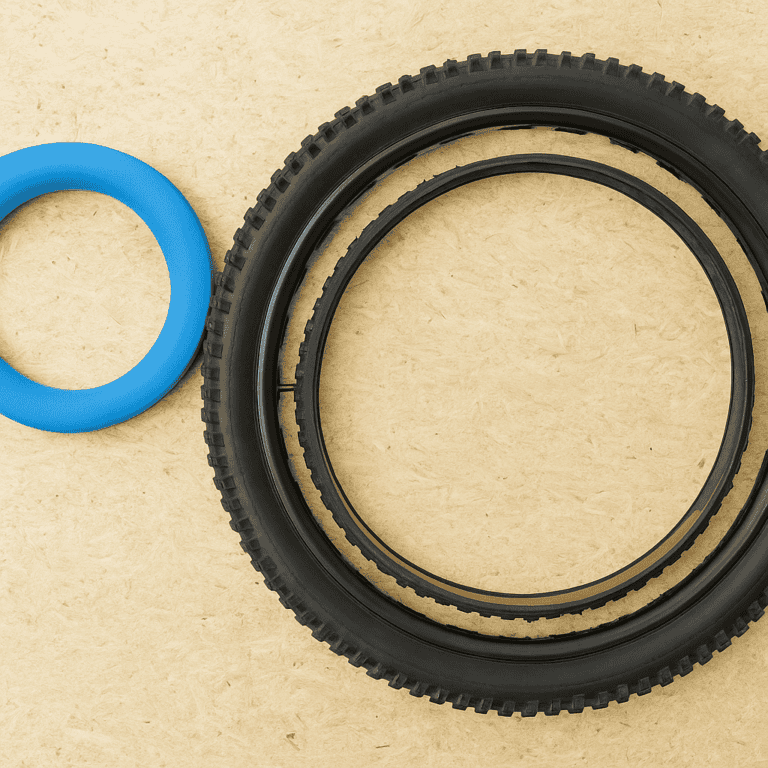
Run tubeless with appropriate casing and tread for your terrain to maximize grip and lower pressures safely. As a baseline, many riders land around 20–26 psi front and 22–28 psi rear, adjusting for rider weight, casing, and rim width. Choose softer compounds and more aggressive side knobs for wet or loose conditions to hold edges confidently.
Set sag correctly to keep geometry stable in turns, typically about 25–30% rear and 15–20% front for trail bikes. Tune rebound so the bike returns fast enough to track the ground without bouncing, and add or remove compression to prevent wallow or harshness. Balanced suspension front to rear reduces mid-corner dive and maintains predictable grip.
Cockpit Setup
Align bar width to shoulder width and control leverage for stable steering without overreach. Set brake lever reach for one-finger braking and angle them roughly 30–45 degrees down so wrists stay neutral when low. A reasonable stem length and bar roll that centers hand pressure improve front-tire loading and feedback.
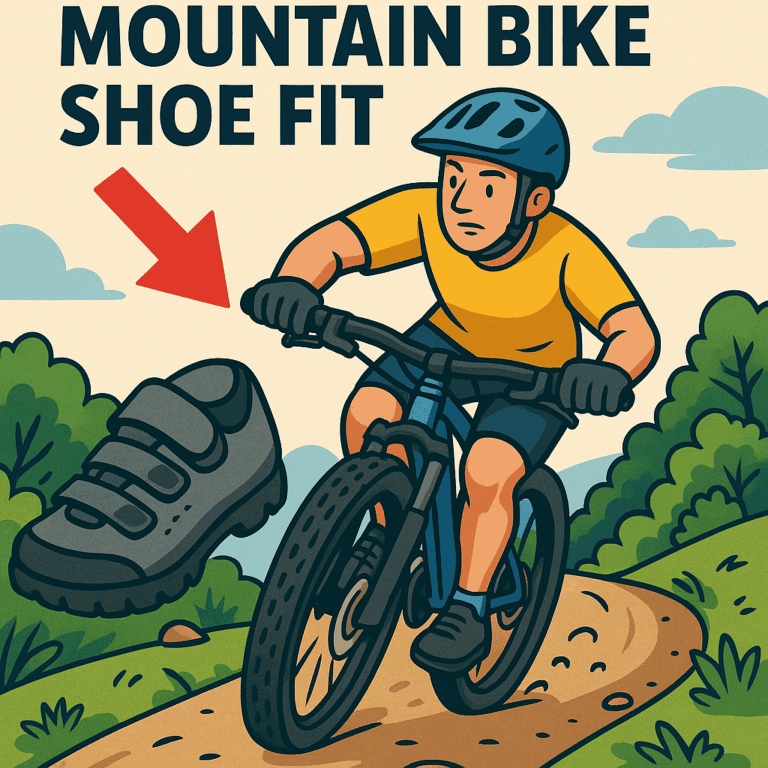
Flats promote better technique by rewarding proper foot weighting and quick corrections. Clipless pedals add efficiency and stability at speed but require clean timing and confidence with body-bike separation. Grippy shoes, supportive soles, and well-maintained pins or cleats directly improve cornering control.
Techniques by Corner Type
Flat Corners
Lean the bike aggressively while staying low and centered with strong outside pedal pressure. Keep the front tire loaded with light hands and hips slightly outside to stop front wash. Smooth, early braking and an outside–inside–outside line help you carve and accelerate cleanly.
Enter high, look through the exit, and pump the berm like a roller for free speed. Keep neutral pedals unless clearance is tight, and drive into the berm with steady pressure. Avoid abrupt braking, and use consistent body tension to let the berm support higher speed safely.
Off-Camber Turns
Reduce speed early and stay low to widen the contact patch and keep tires planted. Weight the outside pedal and keep the bike slightly less leaned than on flat turns to prevent sliding downhill. Choose cleaner texture over the optimal arc, and be ready to adjust with micro-corrections.
For downhill switchbacks, look through early, drop the outside pedal, and let the rear follow a tight inside track. For uphill, ratchet pedal strokes, keep momentum, and pivot hips around the apex while staying balanced over the front. Commit to your line and keep movements smooth to avoid stalling or washing.
Tight vs. Wide Radius Turns
Tight turns demand earlier, sharper setup and a later apex to straighten the exit. Wide turns reward progressive lean and steady pressure, letting you carry more speed with less braking. Match your entry speed to the radius so you can add speed at the exit rather than scrub mid-corner.
Soften inputs and aim for the cleanest micro-line across texture changes. Keep the front tire lightly loaded but guided, and let the rear drift predictably if needed. Slightly higher pressures and sturdy casings reduce squirm and pinch risks on sharp edges.
Advanced Cornering Techniques
Pumping Through Turns for Free Speed
Use the berm or ground contour like a pump track, driving down at the apex and releasing on exit. Time your compression when the tires are most supported to harvest speed without pedaling. Keep arms and legs active springs so traction stays glued while you gain momentum.
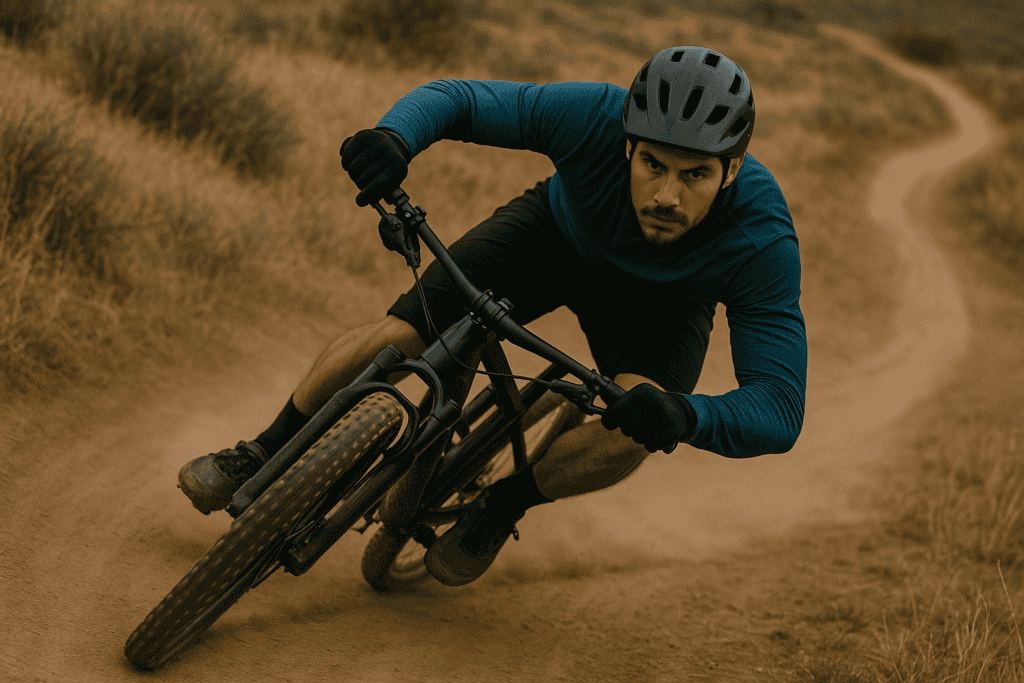
Initiate lean with a brief, subtle countersteer input, then settle into the carve. Allow a controlled micro-drift at the rear by maintaining calm hips and steady bars while eyes stay locked on the exit. Manage it with throttle control on the brakes and consistent pressure, not sudden corrections.
Trail Braking and Brake Balance
Blend off the brakes as lean angle increases to avoid overloading tires. Favor front brake feel for deceleration while maintaining enough rear to keep the bike neutral. Aim for a smooth pressure taper so the bike transitions from slowing to carving without a traction spike.
Use foot out in ultra-tight, loose, or blind turns where stability and dabbing speed matter. Keep pedals level for most corners to maintain clearance, suspension neutrality, and consistent grip. Choose based on speed, traction, and terrain features rather than habit.
Cornering on Flats vs. Clipless
Flats encourage strong outside-foot weighting, quick corrections, and better feedback in sketchy conditions. Clipless shines in rough, high-speed turns with stability and efficient pumping, as long as timing is precise. Train both to build adaptable cornering skill across disciplines and conditions.
Common Mistakes and Fixes
Target Fixation
Staring at obstacles makes you ride into them and miss the exit. Fix it by scanning entry–apex–exit and turning your head early to where you want to go. Practice vision drills so your gaze leads your line without hesitation.
Grabbing brakes at max lean overloads tires and causes slides. Set speed before the turn and, if you must brake, apply light, balanced pressure while gradually releasing. Build trust in trail braking through low-speed practice until it feels automatic.
Standing Too Tall or Locking Arms
A tall stance and rigid arms reduce traction and responsiveness. Stay low with bent elbows and knees to let the bike move underneath you. Keep hands light and core engaged so tires track and grip over changing surfaces.
Under-leaning forces steering with the bars and pushes wide; over-leaning dumps traction suddenly. Lean the bike more than your body while maintaining balanced pressure through both tires. Adjust lean to match speed, radius, and available grip, not just comfort.
Entering Too Hot
Excess entry speed steals line choice and forces panic braking. Brake earlier in a straight line, then roll on speed as the exit opens. Build corner speed progressively by hitting the same turn repeatedly and timing your apex later.
Second-guessing mid-turn destabilizes the bike and wastes traction. Choose the best line you can see, commit with your head and hips, and ride it smoothly. Reassess only when new information appears, and change lines gradually, not abruptly.
Cornering in Different Conditions
Wet and Mud
Lower speed early and be ultra-smooth with inputs to avoid breaking traction. Favor soft-compound, open-tread tires and avoid painted roots or polished rock. Keep the bike a bit more upright and let the rear drift predictably if it starts to slide.
Expect marbles at the edges and hunt for packed lines or darker, grippier dirt. Run slightly lower pressures and keep movements gentle to avoid skipping. Enter slower, lean progressively, and accelerate only as grip builds.
Slick Roots and Rock
Cross roots as close to perpendicular as possible and unload slightly to prevent pinging. Maintain a steady, low stance and focus on light hands with firm outside-foot pressure. Modulate brakes smoothly and avoid heavy inputs near angled edges.
Drop pressures cautiously and keep speed conservative to preserve control. Stay upright, reduce lean, and steer with body weighting rather than sharp bar turns. Choose tires with soft rubber or studs where appropriate for reliable bite.
Night Riding and Limited Visibility
Look shorter and commit to smooth, predictable lines with conservative speed. Aim your headlight where you want to go and match bar light to terrain texture. Reduce mid-corner surprises by braking earlier and widening your radius.
Heavier bikes demand earlier braking and stronger body positioning to manage inertia. Use motor assistance to maintain momentum out of turns while keeping inputs smooth. Reinforce front-tire loading with confident vision and low stance to keep grip consistent.
Discipline-Specific Tips
XC Efficiency and Momentum Conservation
Prioritize minimal braking, clean lines, and level pedals to keep speed rolling. Stay light on the bike over chatter and protect traction to avoid wasted accelerations. Commit to late apexes that open exits for seated or quick out-of-saddle power.
Enduro and Downhill Aggression and Stability
Adopt a lower, stronger stance and lean the bike decisively for edge grip. Brake hard early, release smoothly, and pump berms and compressions for acceleration. Use tire choice, casing, and damping to handle high speeds and rough cambers without drama.
Trail Riding Flow and Consistency
Ride at a repeatable effort with smooth entries and clear exits. Choose lines that reduce pedaling spikes and make technical corners predictable. Practice vision and body separation so every turn links into the next with rhythm.
Safety and Risk Management
Protective Gear and Tire Choice for Conditions
Wear a proper helmet, gloves, and pads matched to trail speed and terrain risk. Choose tires and pressures for the day’s conditions to maximize grip and forgiveness. Reliable gear and traction reduce consequences and increase training quality.
Warm-Up, Mobility, and Fatigue Management
Warm up with dynamic movements and easy corners to wake up vision and balance. Maintain hip and ankle mobility to stay low and reactive in turns. Back off when fatigued, as sloppy form and late braking spike crash risk.
Trail Etiquette and Rider/Pass Line Awareness
Announce passes early and choose safe, predictable lines when near others. Avoid cutting corners or damaging trail edges to preserve berms and grip for everyone. Hold your line in groups to prevent sudden moves and collisions.
FAQs
How do I corner faster without crashing?
Enter slower, apex later, and accelerate out so speed comes where grip is strongest. Keep your vision through the exit, lean the bike under a stable, low body, and load the outside pedal. Brake early, be smooth with inputs, and build speed incrementally with repeatable practice.
Should I drop my outside foot or keep pedals level?
Use outside foot down in tight, flat, or loose turns to drive traction and clearance. Keep pedals level in berms, rough terrain, or when pedaling through for efficiency and stability. Choose based on terrain, lean angle, and the need to manage pedal strikes.
How much should I lean the bike vs. my body?
Lean the bike more than your body to keep balance and traction centered over the contact patches. Your torso stays slightly more upright while hips shift outward to load the tires. Increase lean progressively with speed and radius, not all at once.
What tire pressure helps cornering grip?
Run the lowest pressure that prevents rim strikes and squirm for your weight, casing, and terrain. Many trail riders settle around 20–26 psi front and 22–28 psi rear, then fine-tune by feel. Adjust a half to one psi at a time and test on a familiar corner.
How do I stop braking in the middle of the turn?
Set speed before entry, then taper off brake pressure as lean angle increases. If braking mid-corner is necessary, modulate lightly and evenly while keeping the bike composed. Practice trail braking in low-risk settings until the release timing feels automatic.
What’s the best way to handle off-camber corners?
Slow down early, stay low, and keep the bike slightly more upright than usual. Weight the outside pedal, keep hands light, and choose the grippiest texture over the ideal arc. Look through the exit and make micro-adjustments rather than big corrections.
Conclusion and Next Steps
Key Takeaways
Look through the exit, stay low, and lean the bike under a stable body for reliable grip. Brake early, choose outside–inside–outside lines, and load the outside pedal to carve and accelerate. Build speed gradually by repeating corners and refining one variable at a time.
Practice Checklist
Drill vision, body-bike separation, and smooth braking on repeatable corners and pump tracks. Tune tire pressure and suspension for traction you can trust and adjust with small changes. Record times and video to confirm progress and reinforce consistent technique.
Suggested Progression Routes and Trail Features
Start with wide, predictable berms and flat turns on green and blue trails to cement fundamentals. Progress to tighter switchbacks, off-camber sections, and mixed traction corners on more technical lines. Apply the same process loop everywhere: plan, practice, analyze, and refine for durable gains.
Make sure to keep up practicing. All of these methods should give you a much smoother ride whether on flat lands like me in Florida or hitting corners on a h