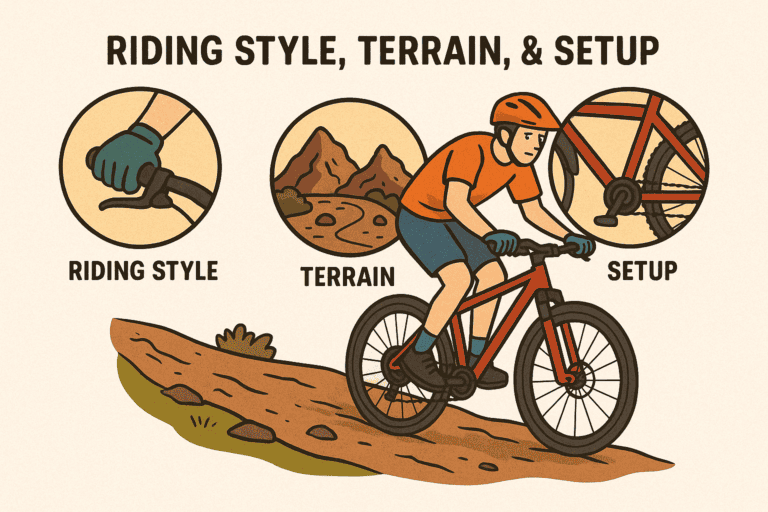
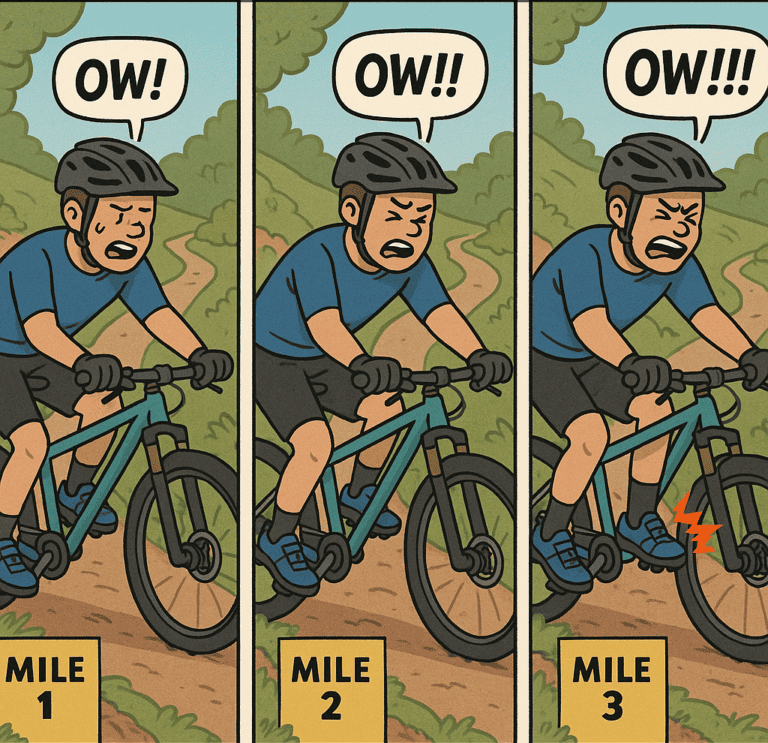
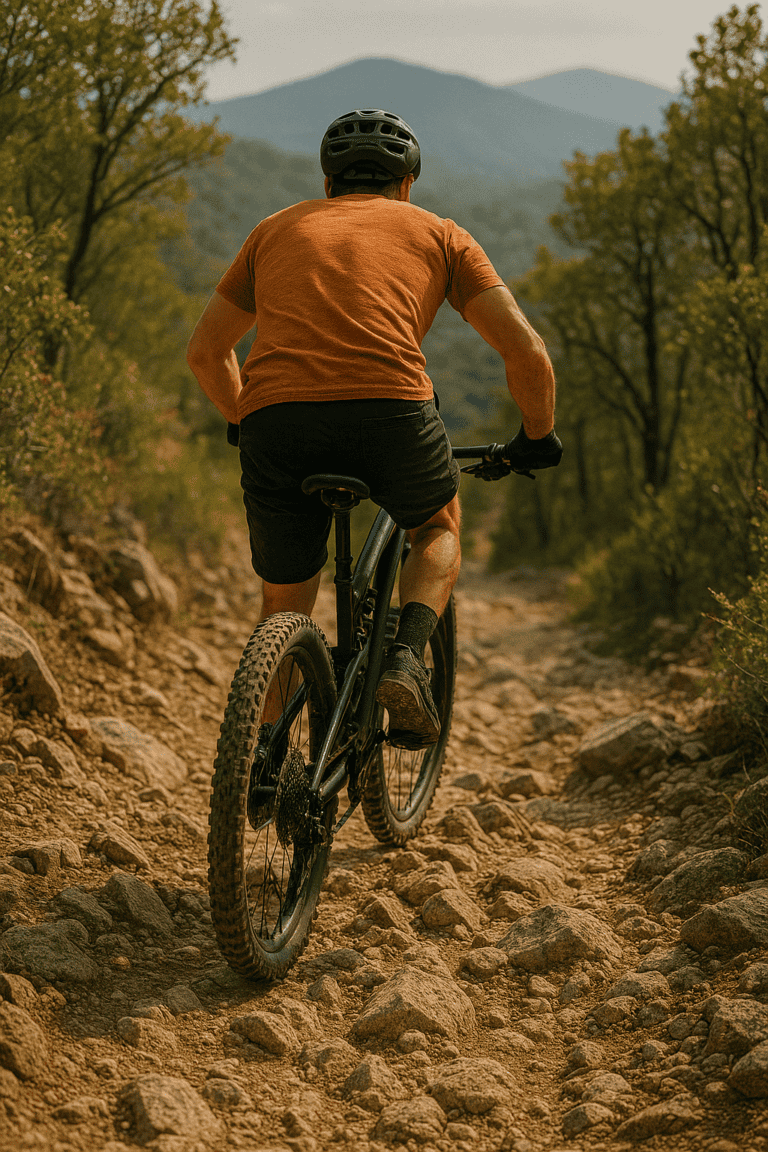
A proper way of how mountain bike shoes fit can completely change how the bike feels on the trail. When the shoes match your foot shape and riding style, you gain more control, better pedaling efficiency, and lasting comfort on long routes. Riders who already focus on setup details like a smart tubeless system
or the right tire pressure for trail and downhill rides
will notice an even bigger improvement once their shoes fit correctly.
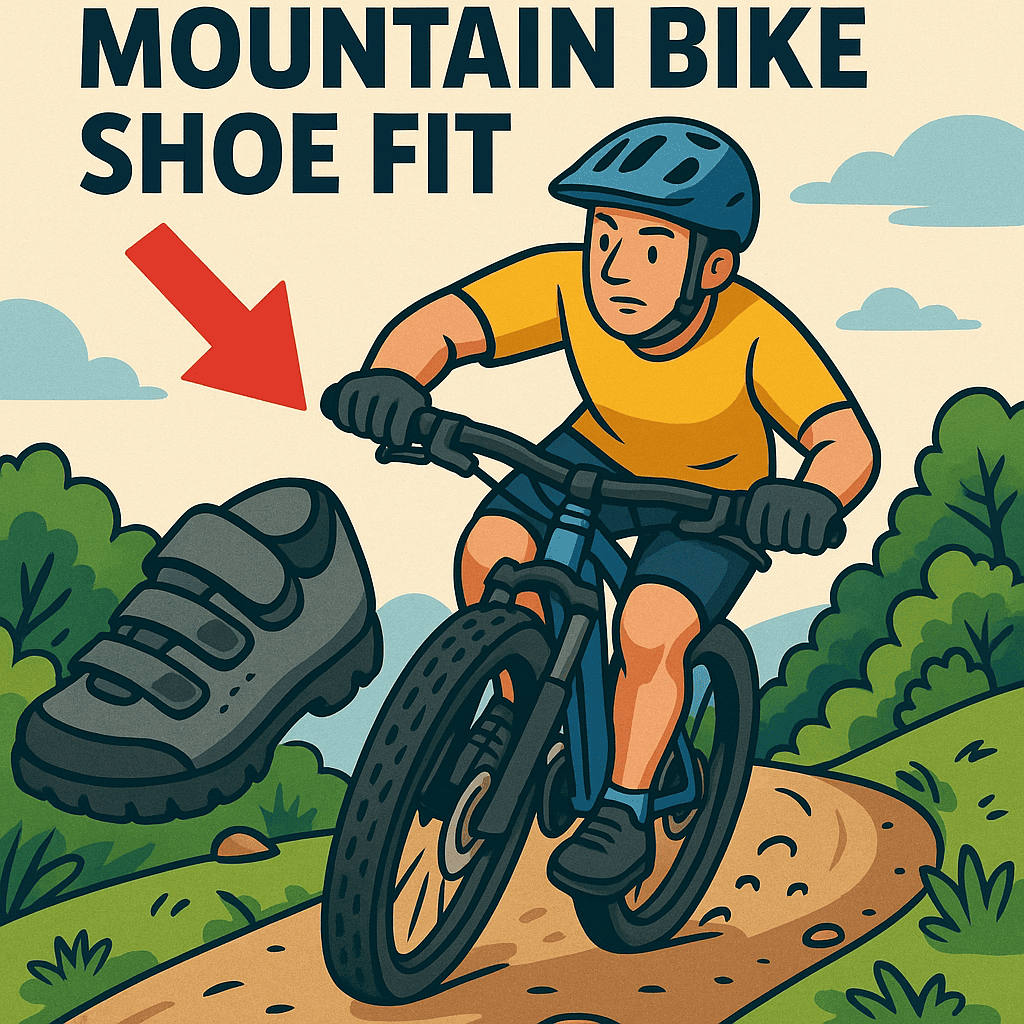
In this guide, you will learn how mountain bike shoes should fit, what to avoid, and how to dial in the best combination of comfort, stability, and performance on any terrain.
Why Proper MTB Shoe Fit Matters
- Better comfort on every ride
- More control when trails get rough
- Less foot pain and distraction
- Improved pedaling confidence
Where It Helps Most
A proper shoe fit improves comfort on long rides and helps prevent numbness, hot spots, and arch fatigue. When the shoe supports the foot correctly, power transfers smoothly from the legs to the pedals without wasted effort. A stable fit also increases control on rough terrain, steep climbs, and fast descents.
What to Avoid
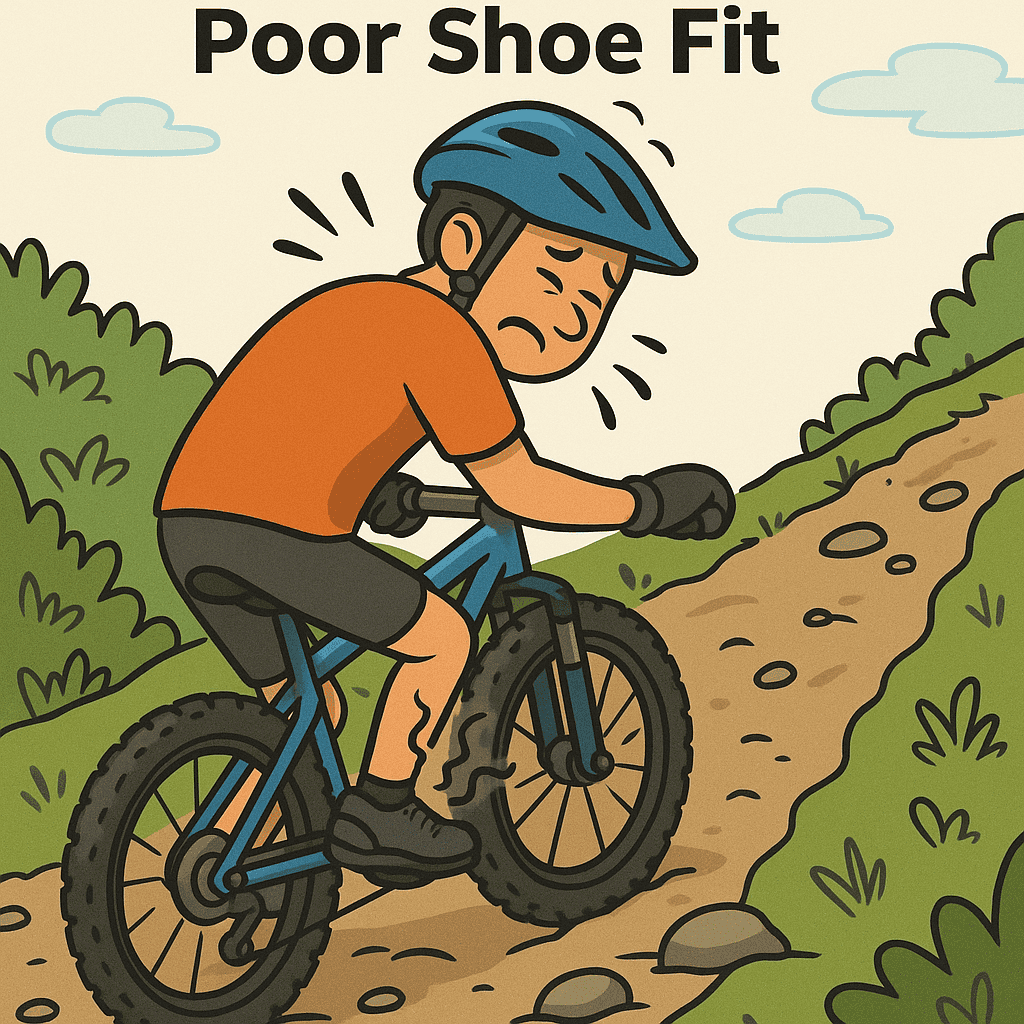
Shoes that are too loose or too tight create pain, sliding, and pressure points that distract from the ride IN MY personal opinion. Poor fit reduces efficiency and makes each climb feel harder, which makes it difficult to keep going! Riders should avoid heel lift, cramped toes, and excess shoe movement.
Key Fit Differences Between Flat and Clipless Shoes
Flat and clipless shoes fit differently because each pedal style requires a different level of security and foot stability. Matching your shoe fit to your pedal type improves control and efficiency.
- Better connection and stability on the pedals
- More power through each stroke
- Less wasted movement
- More confidence on technical terrain
Flats Fit Guidance
Flat pedal shoes should feel secure with a stable platform that keeps the foot from moving on the pedal. The fit must be snug enough to maintain grip without squeezing the forefoot. A balanced fit gives riders confidence when shifting weight or repositioning on technical terrain.
Clipless Fit Guidance
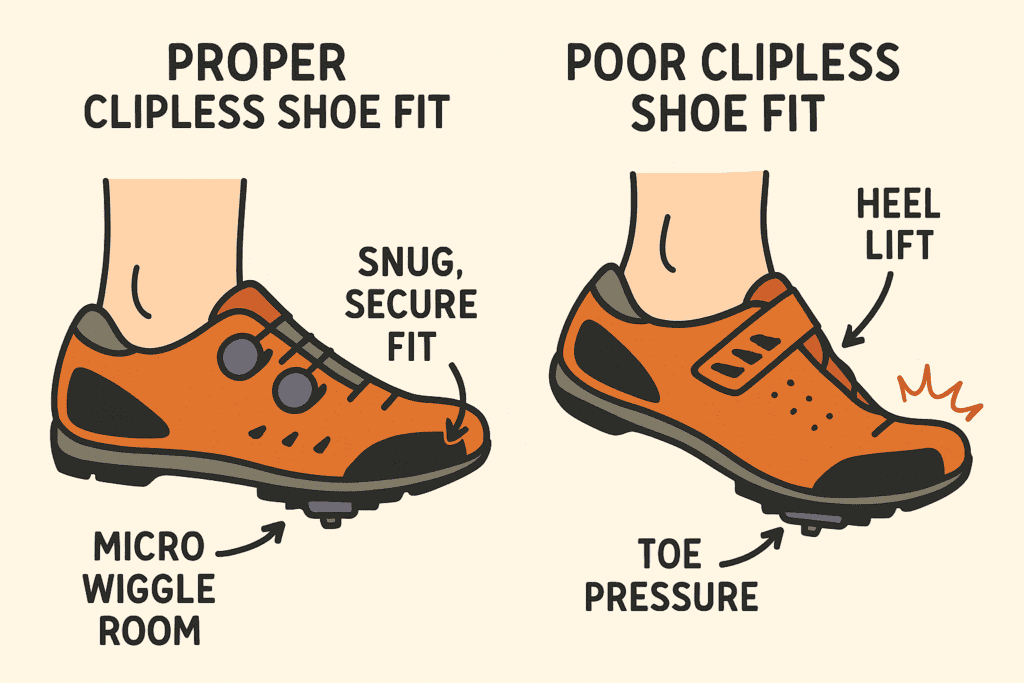
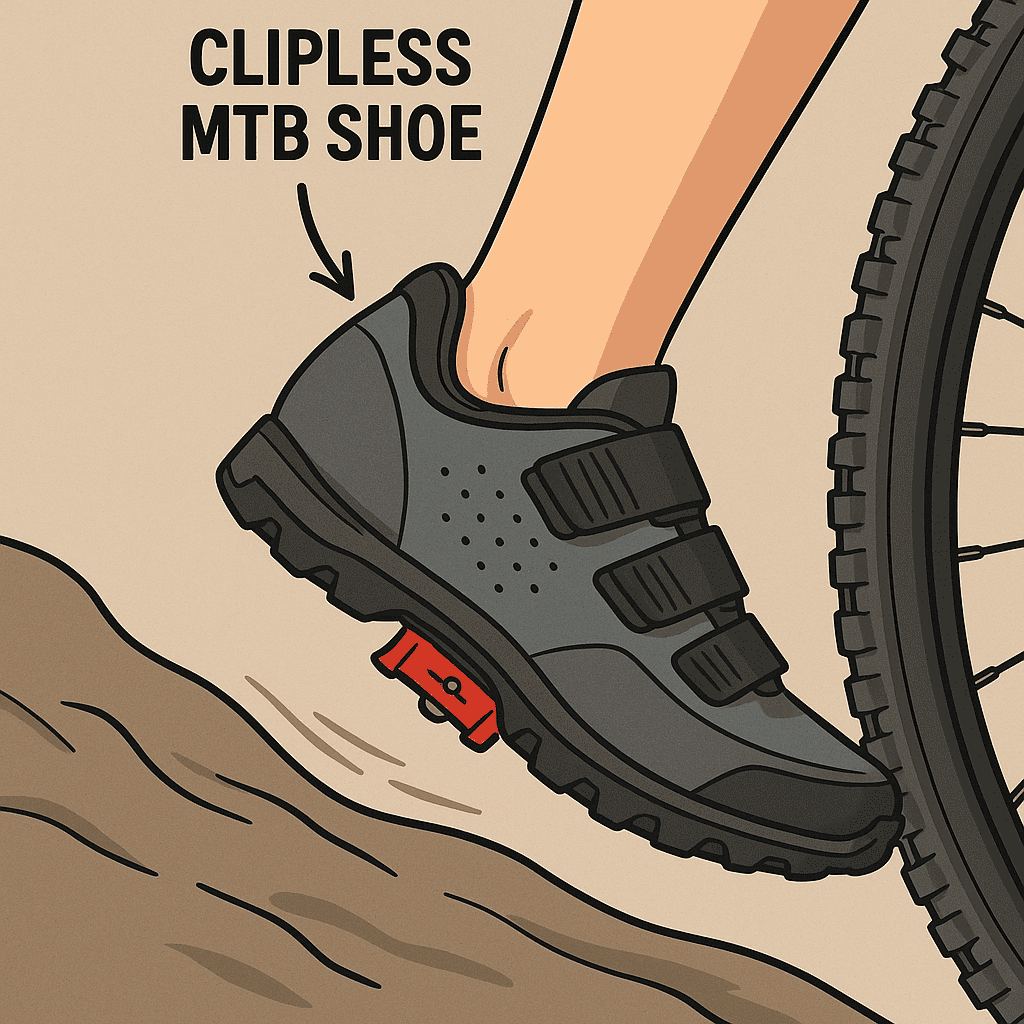
Clipless shoes require a closer, more secure fit since they lock into the pedal. A snug fit improves power transfer and keeps the foot stable through each stroke. The heel and midfoot should feel firm while the toes still have natural movement.
Ideal Length and Toe Box Fit
Toe room affects comfort, control, and long ride endurance. The right toe space prevents pressure, rubbing, and pain during descents or rough sections.
- Better circulation during long rides
- Less pressure on descents
- More stability in rough terrain
- Fewer toe injuries and hot spots
Where Toe Room Matters
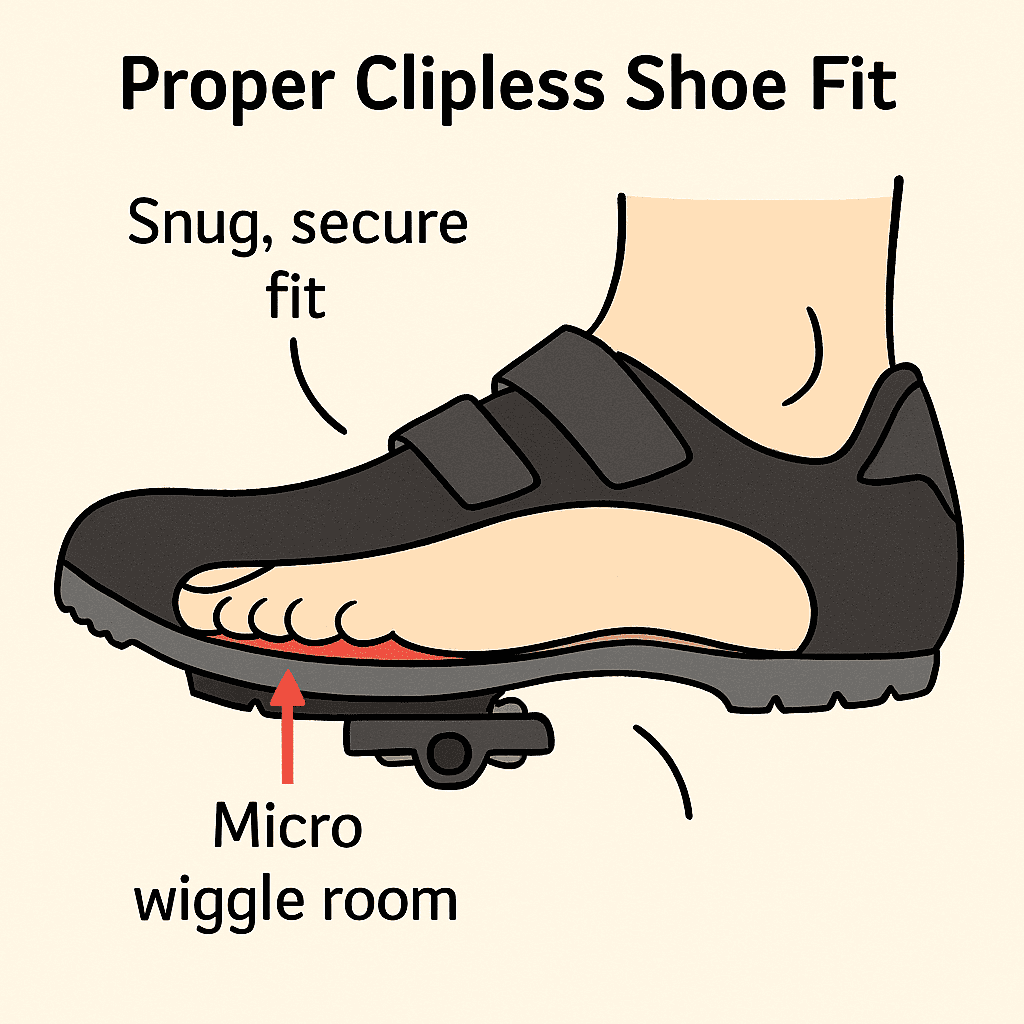
Think about this! You should have a small amount of toe movement, allowing a light wiggle without extra space. This prevents the toes from hitting the front of the shoe on descents or rough sections. A small buffer also reduces pressure as the feet warm up and expand.
What Causes Pain
Shoes that are too short or too long cause friction, numbness, or sliding. Short shoes drive the toes forward, while long shoes let the foot move inside the shoe. Correct toe space prevents discomfort and instability on the trail.
Heel Fit and Midfoot Support
Heel and midfoot fit affect climbing comfort and pedal stability. A supportive middle foot and secure heel help maintain balance and power.
- Better climbing performance
- Less fatigue in the arch
- Improved power transfer
- No slipping during the hike and bike sections
Stable Heel Hold
The heel should stay planted in the shoe with no lifting while pedaling or walking. A secure heel improves efficiency and helps prevent blisters from friction. Riders should choose a heel cup that supports without squeezing.
Midfoot Support
Proper midfoot support keeps the arch stable and reduces strain on long rides and steep climbs. Supportive structure or upgraded insoles can improve comfort. A balanced midfoot hold helps maintain alignment through each pedal stroke.
Width, Insoles, and Foot Shape
Width and insole choices should match your natural foot shape, not generic sizing charts. Shoes should support your natural foot structure without pressure or collapse.
- Better comfort for wide or narrow feet
- Less arch pain and midfoot strain
- More balanced pedal pressure
- Better long ride support
Matching Shoe Width
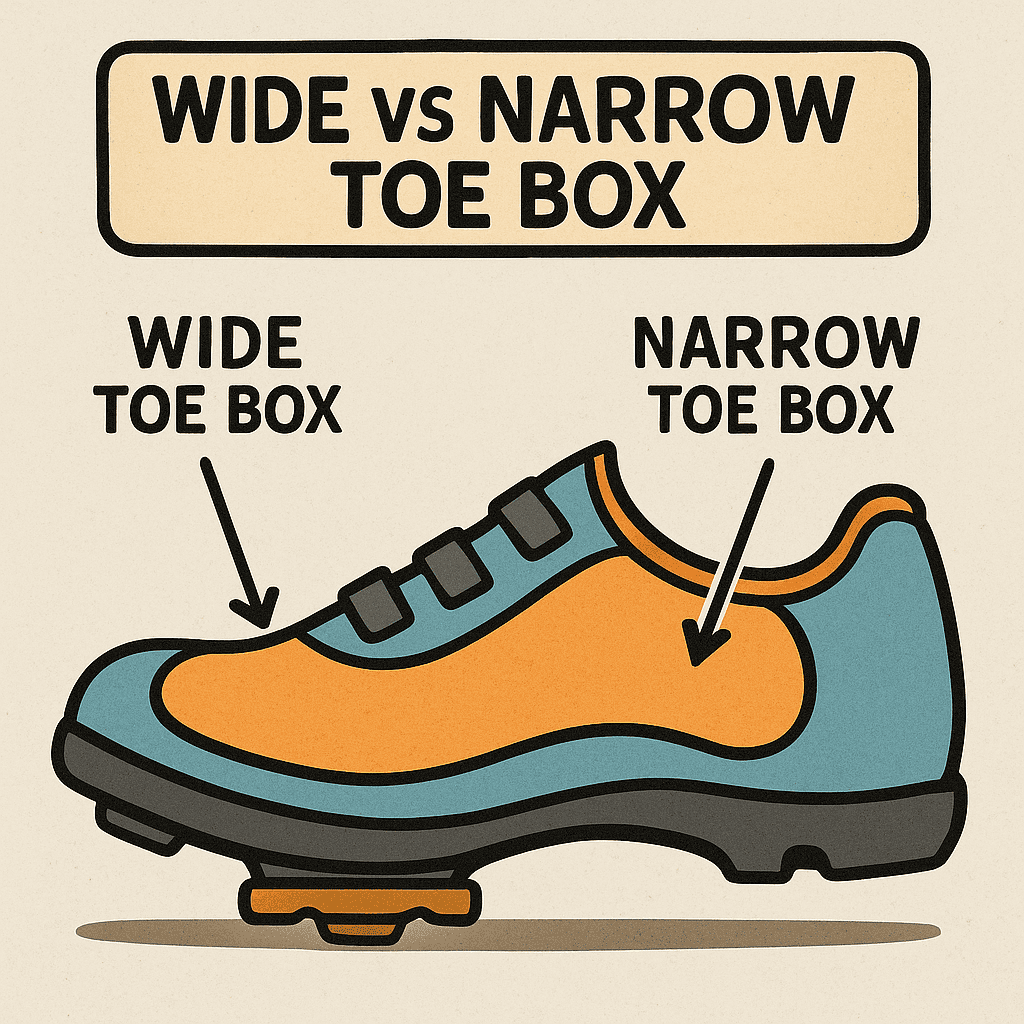
Matching shoe width to your foot shape prevents pressure points and improves balance on the pedal. Narrow feet need slimmer shoes, while wide feet require more room for natural movement. The correct width allows even pressure across the shoe.
Insoles and Volume
Insoles affect comfort, arch support, and internal shoe volume. Some riders benefit from replacing stock insoles with more supportive options. Adjusting shoe volume with insoles or socks can fine-tune the fit without changing shoe size.
Cleat Position and Pedal Interface (For Clipless Riders)
Cleat alignment affects knee comfort, pedal feel, and power delivery. Correct cleat setup prevents pain and improves long ride comfort.
- Better knee alignment
- More consistent pedal stroke
- Less numbness and strain
- Improved stability under load
Cleat Position Basics
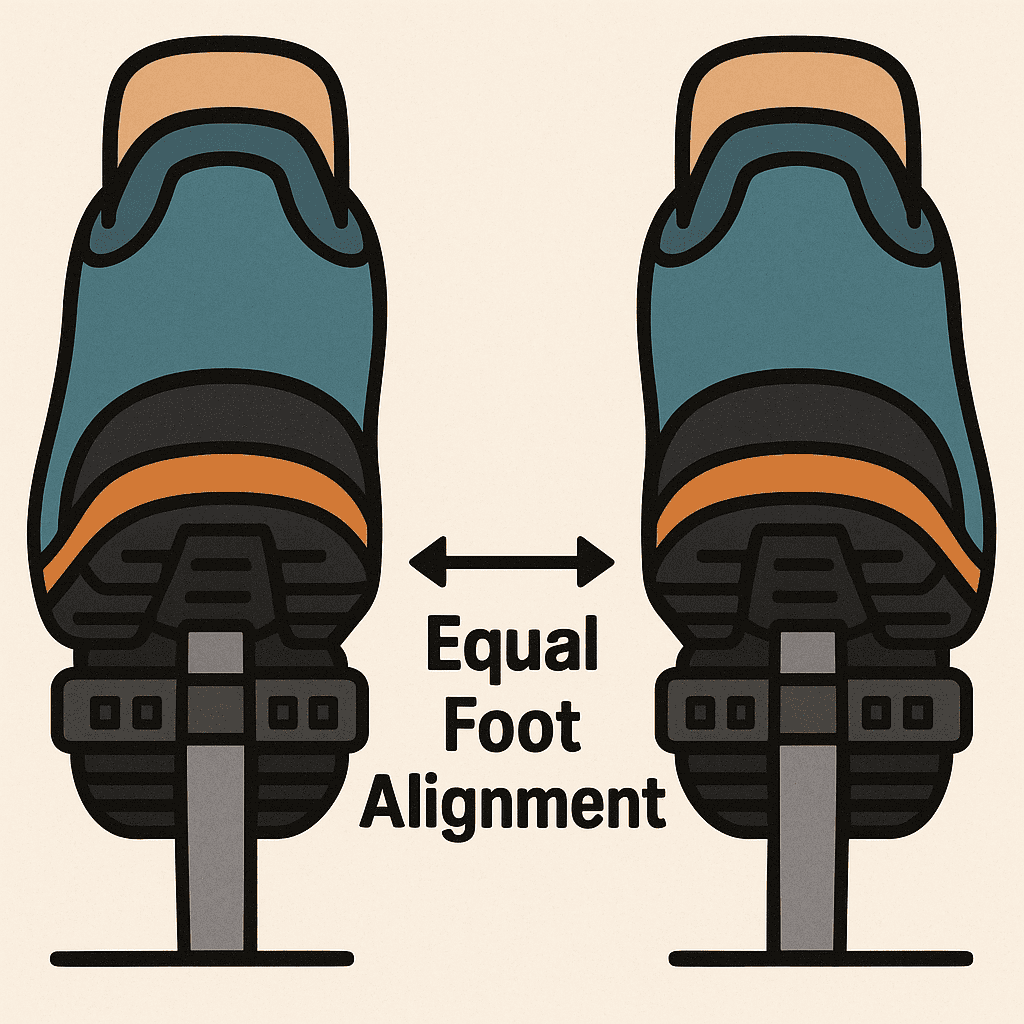
A neutral cleat position protects the knees and maintains a natural pedal path. What I’ve noticed over the years is that placing the cleat under the ball of the foot creates a stable and powerful base. Starting neutral makes later adjustments easier.
Micro Adjustments
Small changes can fix numbness, twisting, or knee discomfort. Moving the cleat slightly forward, backward, or sideways can create instant improvements. Clipless riders should adjust in small increments and test each change on the trail.
Socks, Straps, and Dial Adjustments
Small fit changes can have a big impact on comfort and control. Socks and closure systems fine tune shoe tension and pressure distribution.
- Better pressure balance
- Less swelling discomfort
- More consistent fit on long rides
- Better airflow and moisture control
Sock Volume and Fit
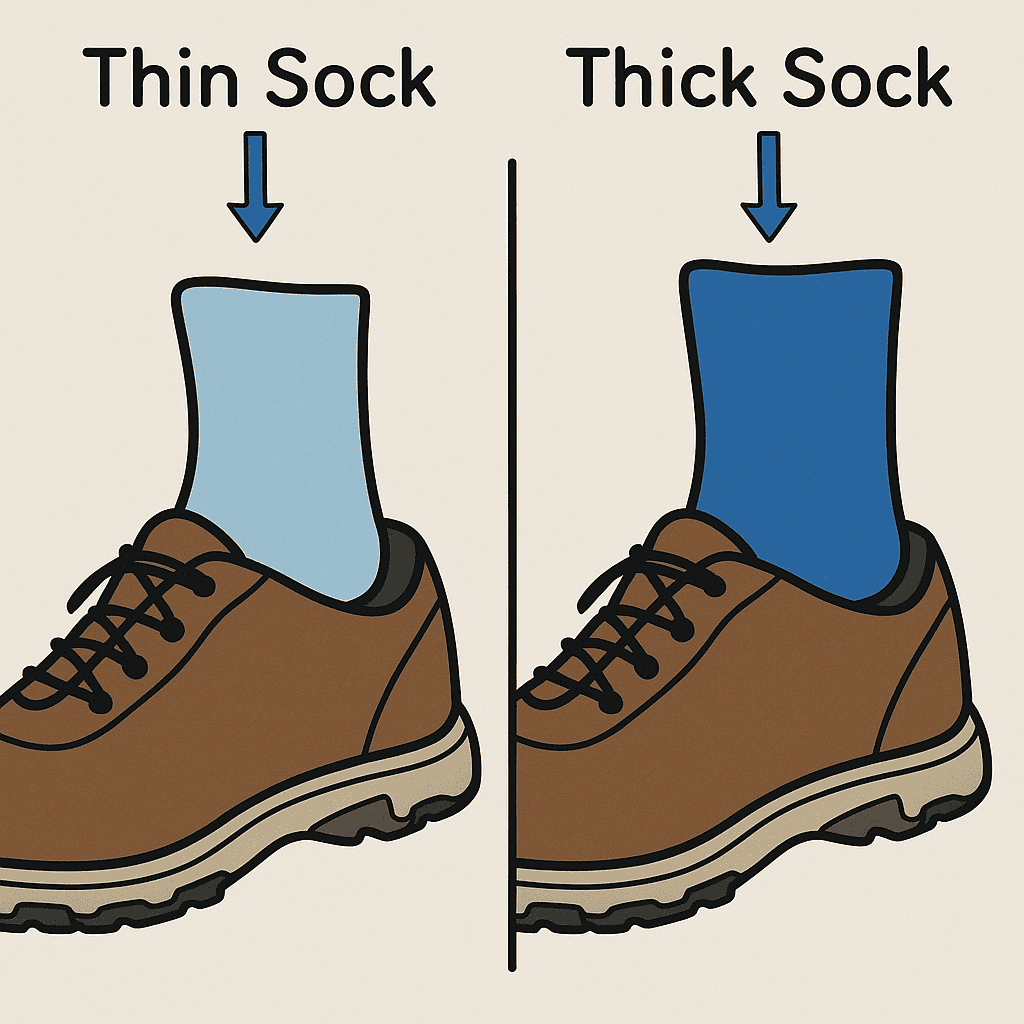
Socks play a major role in fit by adding or removing space inside the shoe. Thicker socks reduce volume while thinner socks increase room and airflow. Riders should match sock thickness to the weather and desired shoe feel.
Closure Systems
Dial systems, straps, and laces each control pressure across the foot in different ways. Even pressure improves comfort and prevents hot spots. Riders should make small adjustments during the ride as feet swell or conditions change.
Trail Test: How to Know the Fit Is Right
The real test for shoe fit happens on the trail, not indoors. A good fit stays consistent in every position on the bike.
- Better control when standing or seated
- More confidence in technical terrain
- Less movement inside the shoe
- No pain, numbness, or distraction
On Bike Fit Check
Shoes should feel stable while seated and standing on the pedals, with no sliding or lifting. The fit should remain consistent during climbs, descents, and rough sections. A proper fit feels natural and supportive throughout the ride.
Red Flags
Pain, pressure, numbness, or slipping are signs that the fit is not correct. These issues should be fixed before they become long term habits. Small adjustments make the biggest difference when fit problems appear early.
A proper mountain bike shoe fit improves comfort, stability, and power on every ride. With the right toe room, heel hold, shoe width, and pedal setup, riders can avoid numbness and pressure points and gain more confidence on the trail. Once your shoes match your foot shape and riding style, every ride becomes smoother, more controlled, and more enjoyable. For more performance setup tips, explore guides like your tubeless system setup and your tire pressure plan, which work together with proper shoe fit to improve your ride.