Knowing how to maneuver a dirt jump park on a mountain bike is critical to success, like how to improve handling. I honestly had no idea what I was getting myself into, trying my local West Delray Beach MTB jump park for the first time.
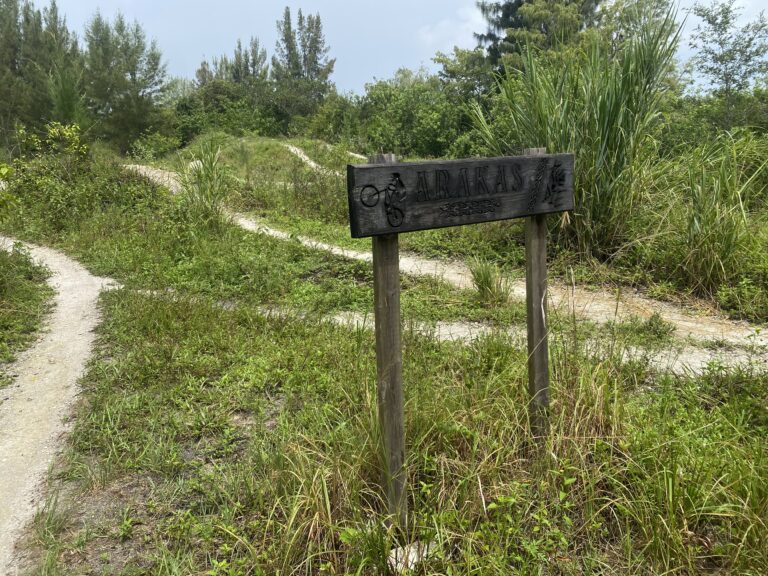
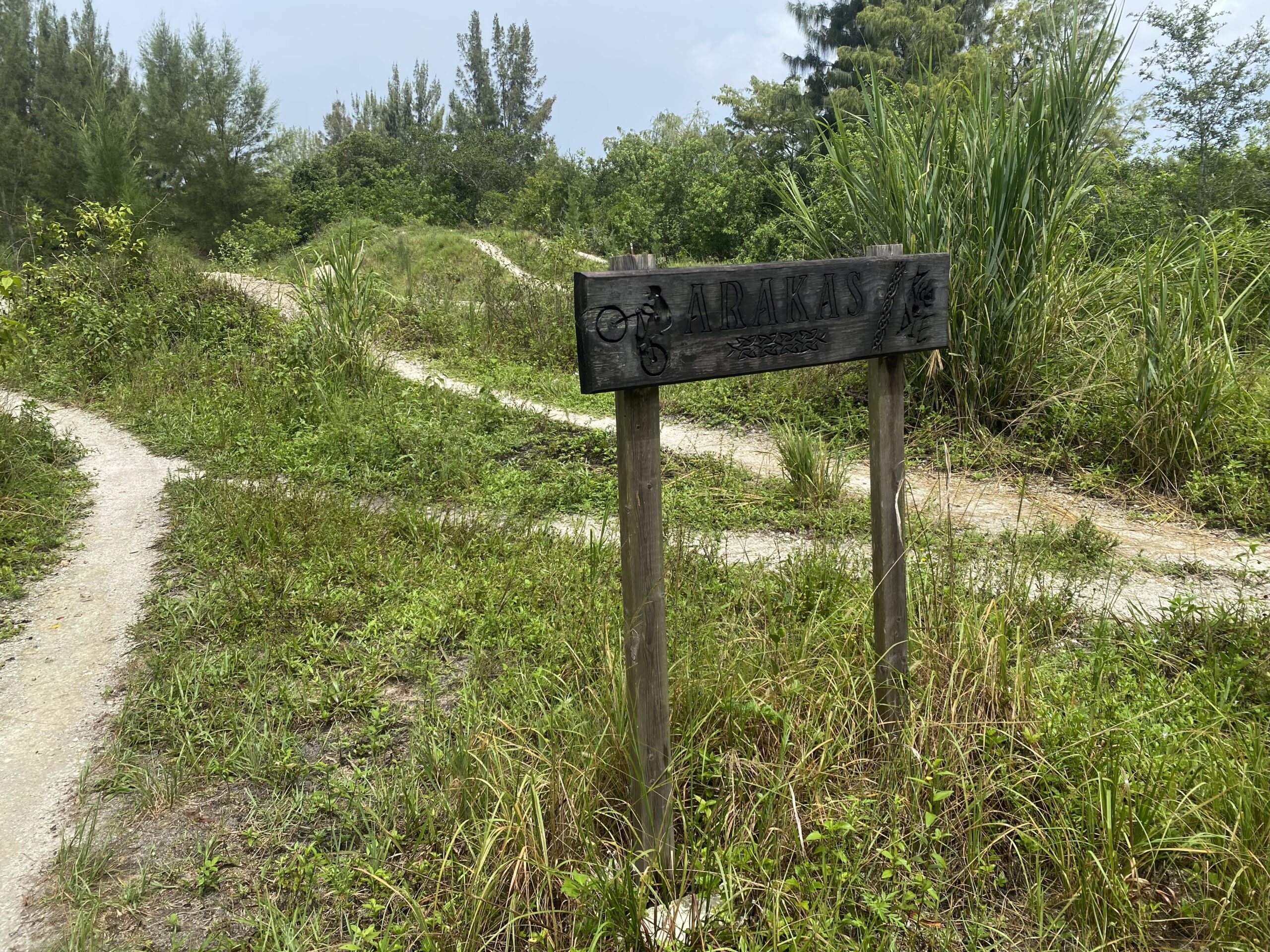
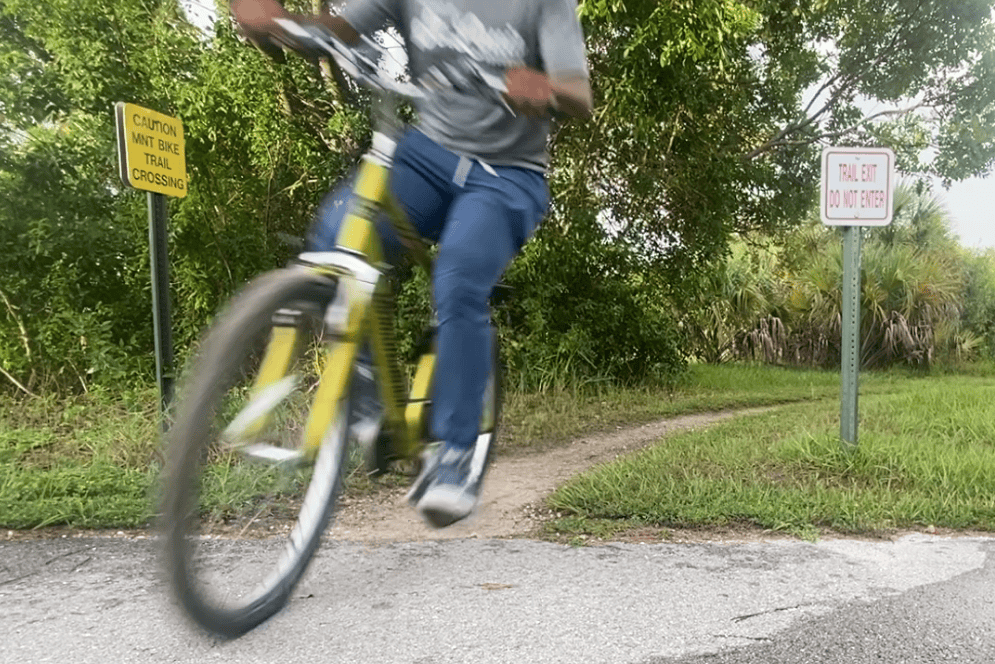
I instantly knew it was for experts, seeing a sign warning me, and it’s true that dirt jump parks have exploded in popularity over the past few years, and for good reason.
When you first try out a dirt jump park, it’ll offer a controlled, purpose-built environment where beginners, intermediate, and advanced riders can learn bike control, airtime, and confidence in the air without dealing with sketchy trail conditions.
What makes these things easier is if you have a good bike, considering some of the best mountain bikes such as a trail mountain bike to handle these trails. You’ll see that tuning a bike, such as your hardtail mountain bike geometry or a sizing chart could help with a 29 incher tire in the front, lighter in the back. And I don’t want to just go into these mountain bike types explained, but these are important to this guide.
When reading this guide, I’ll break down what dirt jump parks actually are, how they work, how to ride them safely, and how to find the best ones near you in 2026 with the everchanging mountain bike enviornment and culture.
What Are Dirt Jump Parks?
A dirt jump park is a purpose-built riding area made specifically for jumping bikes, sure it’s not your gateway for mountain biking but it’s great way to practice handling. The whole place is designed around smooth dirt, shaped takeoffs, and predictable landings, which is a huge difference from your average single-track MTB trail.
What you need to consider is the environment and how it matches your tire-setup. The edges of the dirt jumps are shaped on purpose, the landings match the start of your ride, and everything flows together. The first time I noticed this was when I overshot a jump I thought I was under-speed for, and somehow still landed smoothly. That’s not an accident. These jump lines are built so riders can focus on technique instead of survival, but if you’re not going fast enough you may fall off the edge with no care.
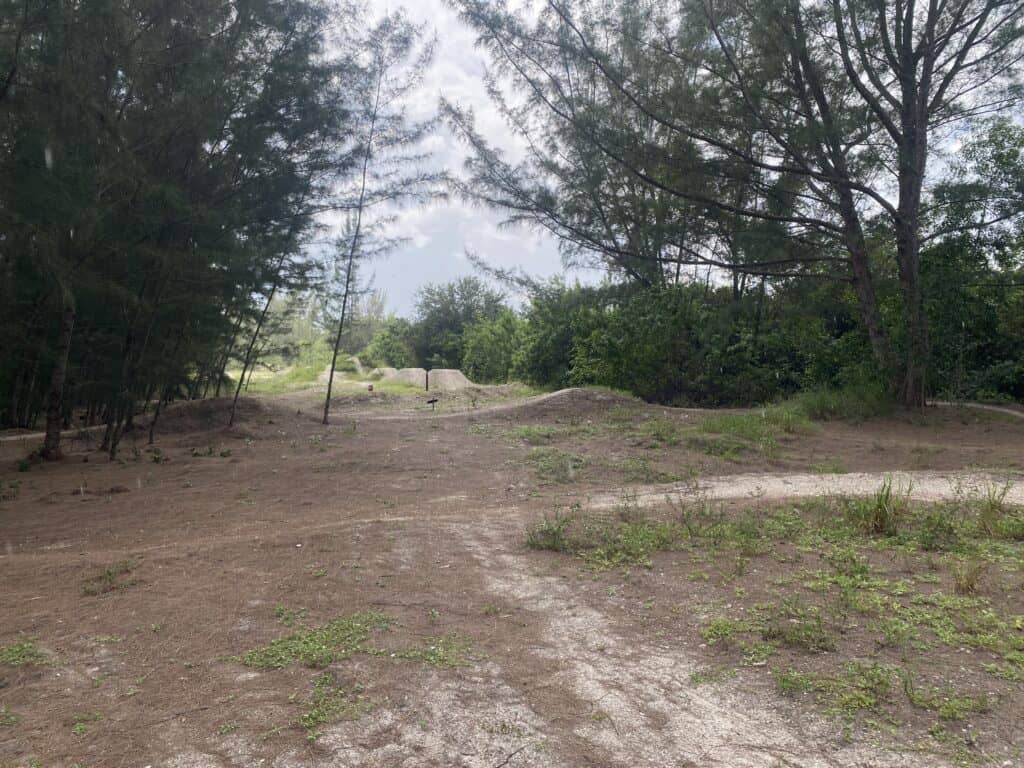
That repetition is the secret sauce. Dirt jump parks are designed so you can hit the same jump ten, twenty, fifty times in one session. I remember being frustrated early on because I kept casing the same tabletop. But after about fifteen tries, something just worked. Same speed, same body position, same lip. That doesn’t happen on trails where every run is slightly different. Repetition builds confidence fast, even if it feels boring at first. This is usually why you can loop around.
At the end of the day, dirt jump parks are controlled environments for learning bike control through jumping. They’re not trails, they’re not pump tracks, and they’re not bike parks. They’re skill labs. And once you see them that way, they stop being intimidating and start being fun, which is kind of the whole point.
Types of Dirt Jump Parks You’ll Encounter?
Most well-built dirt jump parks start with beginner-friendly jump lines; they don’t incline too much and don’t have too much of a curve to slide off the jump. These are the rollable ones, and they matter more than people admit. Rollable features let you ride the shape of the jump without committing to airtime.
Early on, I skipped these because my ego said they were “too easy.” That was dumb. Rolling jumps teach speed control, pumping your bike up, and where the lip (so to speak) actually sends you. If a park has good beginner lines, it usually means the builders care about progression, not just showing off. I’m sure you’ve heard of BMXers, and we’re not primarily focusing on them here.
Intermediate flow lines are where things start to feel fun in a real way. These usually have consistent gaps, smoother transitions, and a rhythm that rewards timing. I remember the first time I cleared an entire intermediate line without pedaling between jumps. That was a small win, but it felt huge. These lines teach you how to carry speed, preload correctly, and stay relaxed. Mess up once, and the rest of the line feels off, so you learn quick.
Then there are advanced and pro lines, which are a different animal. Steep lips, longer gaps, and landings that expect commitment. I’ve watched riders make these look easy, and it’s humbling with all their bike gear looking like a hybrid of mountain and road bikers. But I’ve indeed not only watched people get buckled because they didn’t respect the speed required, but I also slid off the line myself.
These lines aren’t about surviving. They’re about precision. If you’re not clearing consistently on intermediate lines, advanced lines will punish you fast, and by advanced, I mean them being less wide and more incline quick with lots of handling required. It kind of actually reminds me of a skate park… (In a skate bowl sense..) These parks teach versatility.
Public dirt jump parks versus privately maintained spots is another big difference. Public parks are usually built by cities or trail organizations, and they’re designed for broad use. They’re more forgiving, are maintained regularly, and are often posted with basic rules. Privately maintained spots can be amazing, but they vary wildly. Some are perfectly shaped and cared for by locals, but can be detrimental without experience. I’ve learned to be cautious at private spots and always watch a few runs before riding.
Understanding the types of dirt jump parks you’ll encounter helps you ride smarter. You stop comparing yourself to everyone else and start choosing lines that actually help you progress. That’s when dirt jump parks stop being intimidating and start becoming tools. Tools for learning, for confidence, and yeah, for having a ridiculous amount of fun.
What Bike Works Best at Dirt Jump Parks
It amazes me how people think you have to have the best gear possible to get into mountain biking, almost any bike can be ridden at a dirt jump park. It’s a good way to get into it, and you will meet people who are willing to help and show you the ropes like I experienced.
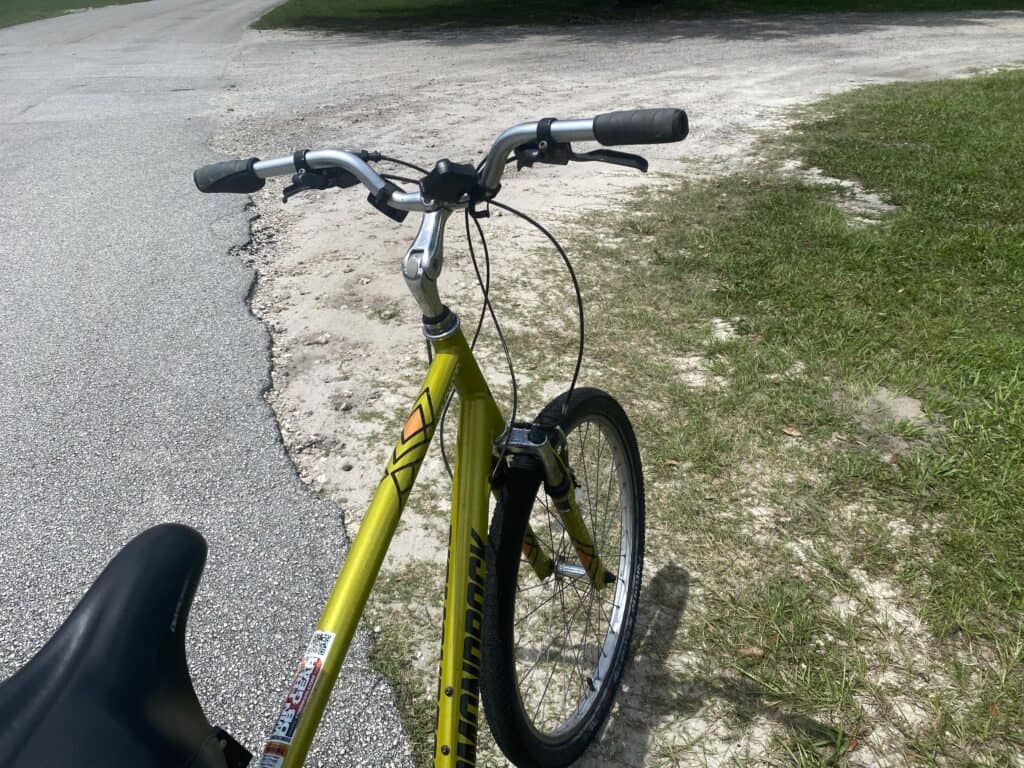
Picking up another bike I learned the slow way though, through missed jumps, sketchy landings, and a lot of “why does this feel wrong” moments which taught me a trail bike / hard-tail type of bike is so important. That’s is when I finally considered moving from the bike above, and even if you want to try something out you can rent like I’ve in the past.
Let’s start with dirt jump bikes versus hardtail mountain bikes. Dirt jump bikes are purpose-built. The first time I rode one, it felt twitchy at slow speeds but incredibly predictable once moving. Hardtail mountain bikes, on the other hand, feel familiar if you come from trail riding. They’re longer, more stable, and more forgiving early on. I actually recommend hardtails for beginners because the learning curve is smoother, even if dirt jump bikes shine once technique improves.
Wheel size matters more than people admit. Twenty-six-inch wheels are still the gold standard in dirt jump parks, and yours may vary as the average bike runs at 27 inches, but it is not recommended; it’s currently one of mine. (I won’t like I was the king of riding the wrong bike for the usecase and it rarely worked out.)
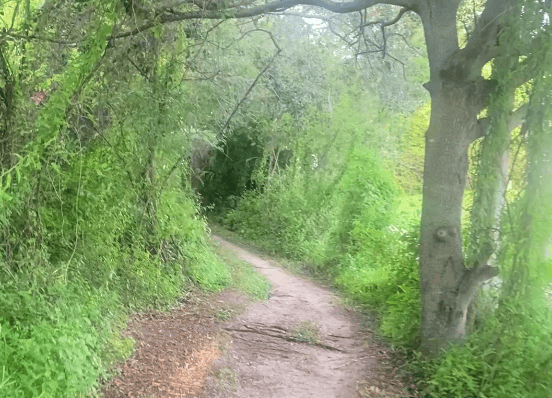
Simplicity is the real secret, though. One brake. Single-speed, if possible, have your tires between 28 – 35 psi. Every extra thing is something to think about, and thinking too much at a dirt jump park is bad news. When I stripped my bike down to the basics, my riding improved without effort. Less distraction, more focus on timing and body position.
The best bike for dirt jump parks is the one that disappears under you. Whether that’s a dirt jump bike or a hardtail mountain bike depends on where you’re at. Start simple. Make small changes. Let the bike help you, not fight you.
How to Ride Dirt Jump Parks Safely?
The truth when riding a dirt jump park is it’s about being intentional. Early on, I thought riding safely meant going slow and half-committing to jumps, but you’ll slide down way more often than a first-time snowboarder. That mindset actually made things worse. Dirt jump parks reward confidence, but only when it’s built the right way. Once I stopped rushing and started being methodical, crashes went down, and progression went up.
Rolling jumps before trying to clear them teaches you where the lip sends you and how much speed is actually needed. I remember rolling a line for ten minutes, feeling bored, then realizing my speed was way off when I finally tried to jump it. That rolling phase builds confidence quietly, even if it feels slow at first.
Every dirt jump park has lines that look smaller than they are and landings that are steeper than expected, which is why you have to plan your jumps. I always walk the line the first time. Watching other riders helps too, especially ones your size. Speed is relative, and seeing how fast someone pedals in gives you a baseline, but most importantly, never brake hard as it’ll almost ALWAYS end up worse than you think.
Body position fundamentals matter more than bike choice. Neutral stance, hips centered, elbows slightly bent, eyes looking ahead. I used to stare at the lip, and my body followed my eyes. That’s how mistakes happen. Looking past the jump keeps everything calm. Let the bike come up to you instead of yanking on it. Most of the work is done by timing, not force.
Beginner mistakes are common, and almost everyone makes the same ones. Pulling up too early is a big one. So is leaning too far back, thinking it’s safer. It’s not. That puts you off balance in the air. Another mistake is following riders who are way more skilled. Just because they clear it doesn’t mean you should. Ride your pace. Pride heals slower than dirt. That’s how you ride dirt jump parks safely without sucking the fun out of it.
How to Find Dirt Jump Parks Near You?
Finding dirt jump parks used to feel like some kind of secret club. If you didn’t know someone, you didn’t know where to go. I spent years riding whatever jumps I could find on trails or sketchy patches of dirt because I thought that was all there was. Turns out, dirt jump parks are everywhere now, you just have to know how to look and what to look for.
Google Maps is the first place I check, and it’s surprisingly effective. Searching terms like “dirt jump park,” “bike skills park,” or even “pump track” will usually surface something close, issue is though you don’t always get as much info as you need however I recommend searching through reviews for “dirt jumps”. Satellite view helps a lot. If it looks too clean to be a trail, it’s probably a jump park. I’ve found several solid spots just by scrolling around areas near greenways or city parks.
Trail apps are another big help. Apps like Trailforks or MTB Project often list dirt jump parks under skills areas or bike parks. The comments section is gold. Riders will mention whether jumps are rollable, how big the lines are, and if the park is beginner-friendly. I’ve avoided some rough days by reading comments that said things like “pro-level only” or “landings blown out after rain.”
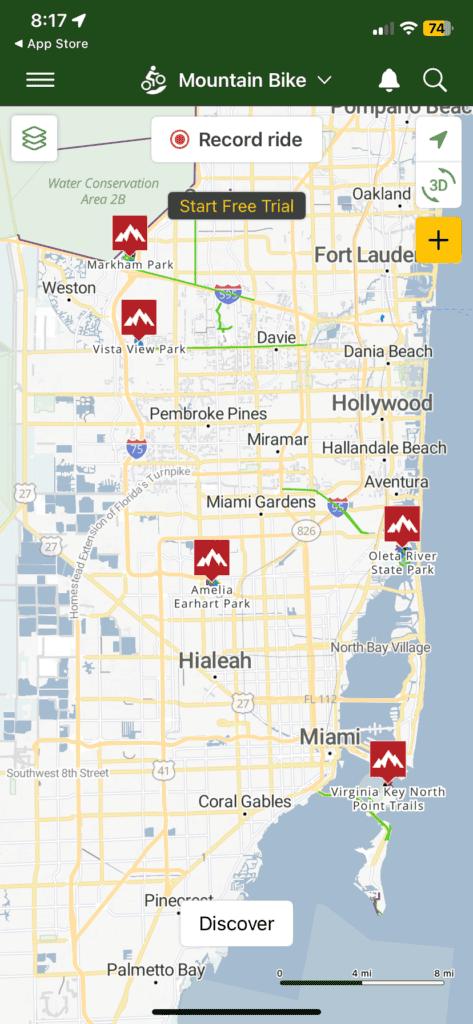
Local bike shops are an underrated resource. Walk in and ask where people ride jumps. I have a local REI that lists all the trails near me. Rider communities matter too, you’ll find banner boards at trailheads/parks that will list the communities near you with a QR code. Just remember to be respectful. Not every spot wants publicity.
Finding dirt jump parks isn’t hard anymore. It just takes a little curiosity and patience. Once you find a good one, you’ll probably keep going back. I know I do.
Finally Thoughts
Dirt jump parks have completely changed how riders learn and progress. They remove the chaos of trail riding and replace it with consistency, flow, and purpose-built features that actually help you get better faster. Whether you’re brand new to jumping or chasing smoother style and control, dirt jump parks offer one of the most efficient ways to build confidence on a bike.
If you’ve never ridden one, start small, respect the park and the riders around you, and focus on repetition over ego. Once you experience that first perfectly timed takeoff and smooth landing, you’ll understand why dirt jump parks are becoming a must-have feature in riding communities everywhere.
FAQ (Frequently Asked Questions)
Are dirt jump parks good for beginners?
Yes, as long as the park has beginner-friendly or rollable jump lines. Many dirt jump parks are built with progression in mind, allowing new riders to build confidence before leaving the ground.
Do I need a dirt jump bike to ride a dirt jump park?
No. Dirt jump bikes work best, but hardtail mountain bikes and BMX bikes are commonly used. Proper setup and control matter more than the bike type.
What speed should I hit jumps at in a dirt jump park?
Speed depends on the jump line. Most jumps are designed for a steady rollout speed rather than aggressive pedaling. Watching other riders and rolling jumps first helps dial this in.
Is it safe to ride dirt jump parks on a full suspension bike?
It’s possible, but not ideal. Full suspension bikes can reduce pop and make timing inconsistent compared to hardtails or dirt jump bikes.
What tire pressure works best for dirt jump parks?
Most riders run higher pressure than trail riding, usually between 28 and 35 psi depending on rider weight and dirt conditions.
Can dirt jump parks improve trail riding skills?
Yes. Dirt jump parks improve balance, pumping, bike-body separation, and speed control, all of which transfer directly to trail riding.
What is the biggest beginner mistake at dirt jump parks?
Rushing progression. Skipping rollable jumps and attempting gaps too early often leads to crashes or stalled progress.
Are dirt jump parks safer than trail jumps?
Generally, yes. Dirt jump parks are purpose-built with consistent lips and landings, making them more predictable than trail jumps.
How do I know when I’m ready to move to bigger jumps?
When you can clear smaller jumps consistently without extra speed or hesitation, you’re usually ready to size up.
What etiquette should beginners follow at dirt jump parks?
Wait your turn, call drops, clear landings quickly, and avoid riding freshly shaped or wet jumps.