Introduction
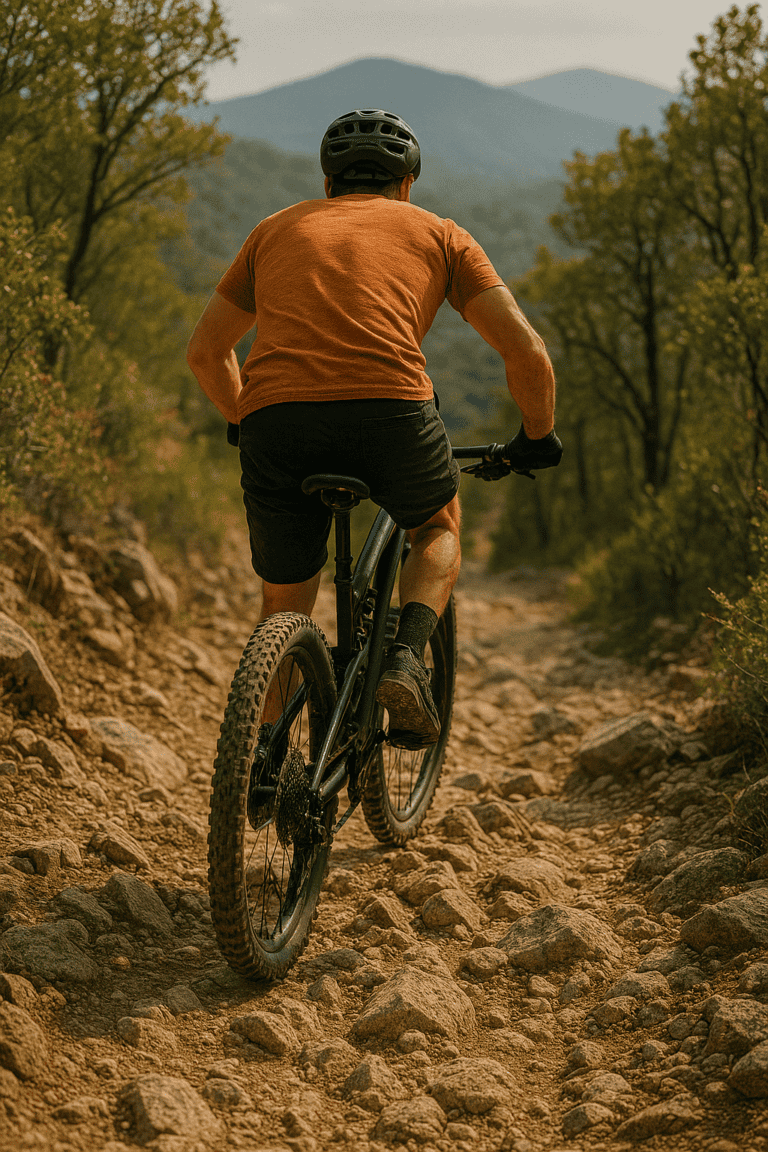
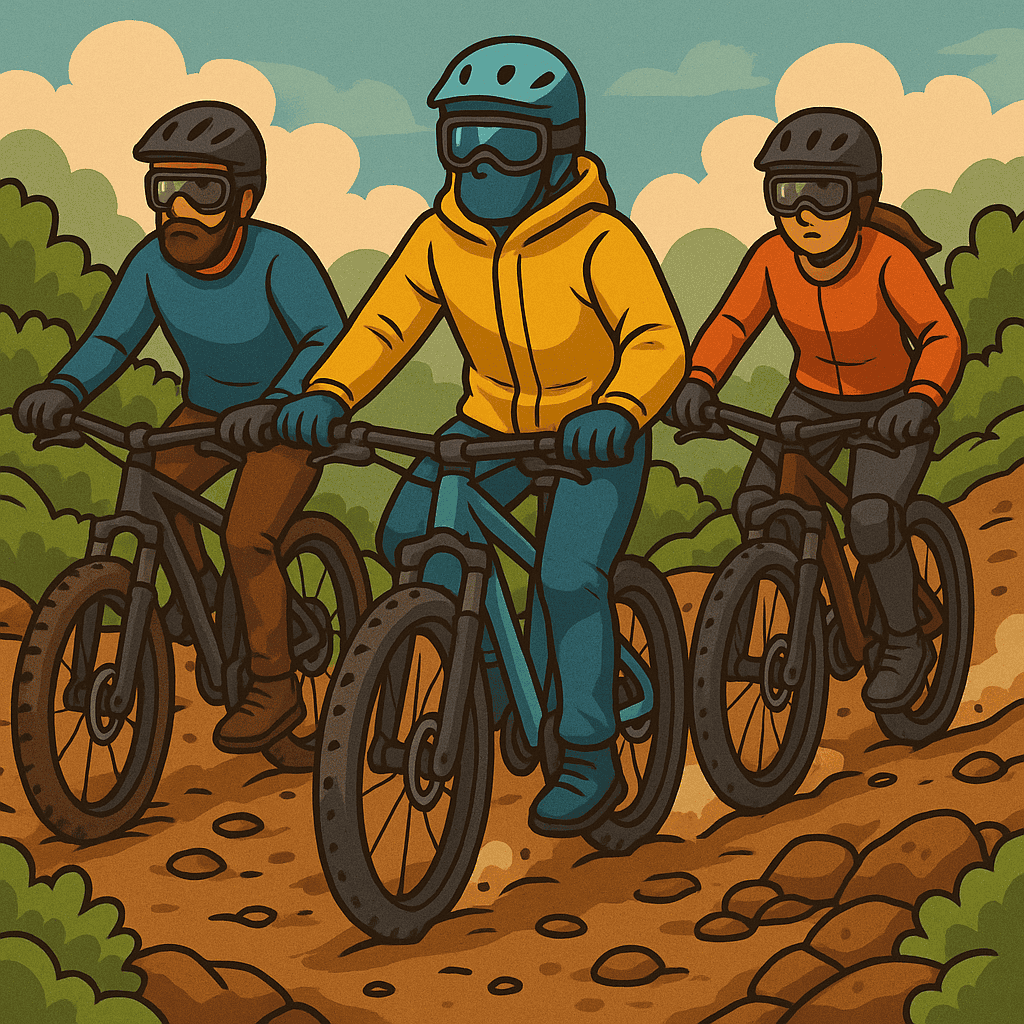
When you’re bombing down a slick trail or pedaling through an early-morning chill, the right MTB pants can make or break your ride. They’re not just there to look good—they protect your legs from trail debris, regulate temperature, and keep you dry when the weather shifts mid-ride.
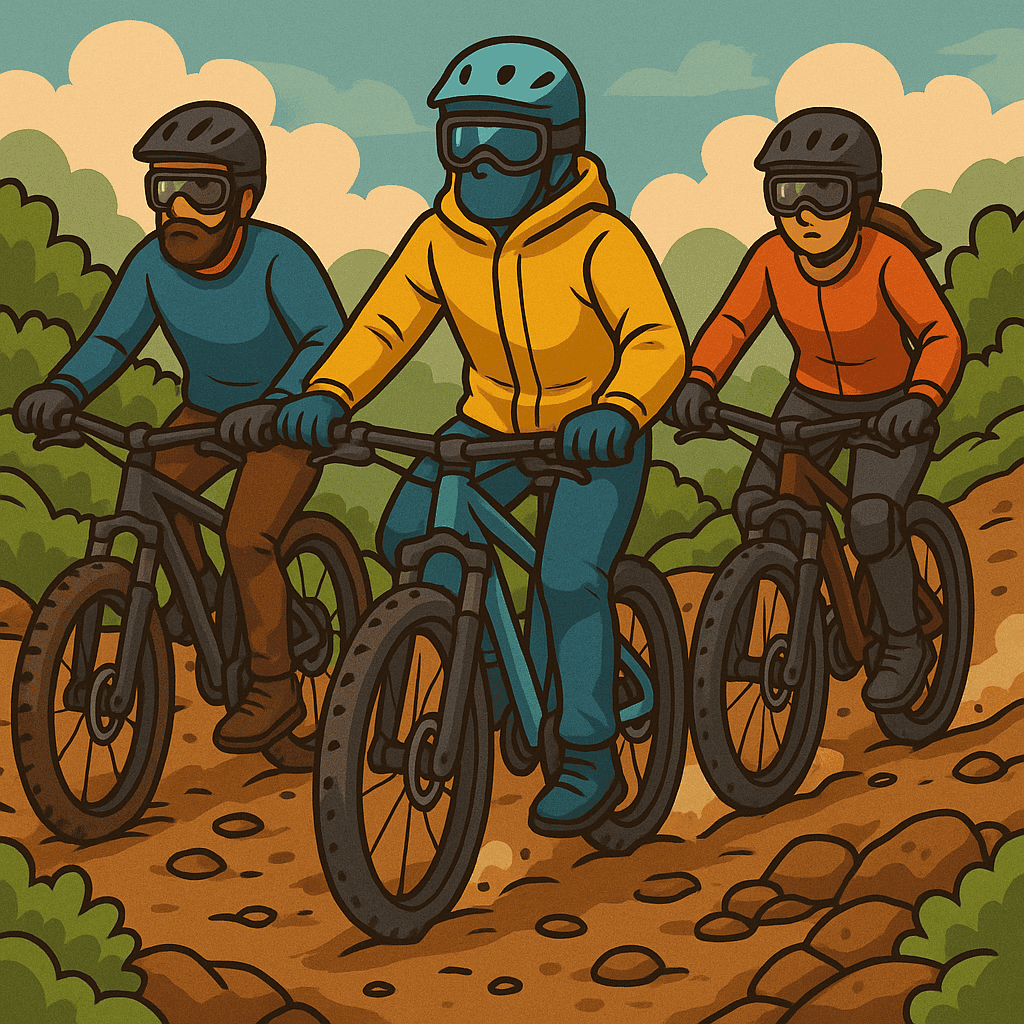
Over the last few years, pants have gone from niche winter gear to a year-round staple, just like MTB shoes. Now, what I’ve noticed on my rides is that people tend to wear pants instead of shorts, especially in Florida, for regular trail rides. It makes sense: today’s designs breathe better, stretch further, and weigh less than ever before.
I’ve used a range of pants over the seasons—from rugged Fox Defend pairs to lightweight Endura and Leatt models—and each taught me what really matters: fit, function, and freedom of movement. Let’s break down what to look for and which options stand out in 2025.
Why MTB Pants Matter for Every Rider
Protection and Performance Go Hand in Hand
MTB pants have evolved far beyond their bulky ancestors. Modern cuts use four-way stretch materials that protect your legs from scrapes without limiting your movement. Articulated knees bend naturally with each pedal stroke, while tapered ankles prevent chain snags.
Breathable rear panels keep you from overheating on climbs, and abrasion-resistant fronts shield you from the punishment of rock gardens or branches. The result? Real comfort that lasts mile after mile, even when the terrain gets sketchy.
Best MTB Pants 2025 – Top Picks by Category
Downhill and Enduro Favorites
Downhill and enduro riders require pants that can withstand impact and continue to perform. Fox Defend, $189.95

Leatt MTB 4.0, $96.75

and POC Resistance Pro $230

They feature double-stitched seams, reinforced panels in high-contact areas, and adjustable waist systems that stay snug when you’re moving aggressively. I noticed when I wore some alike pants to these, you can get a slightly better experience from the budget option to the POC Resistant Pro which can stand all type of conditions.
Lightweight Trail Options
For all-day trail riders, weight and ventilation matter just as much as protection. Troy Lee Designs Skyline and Endura SingleTrack Lite $155 pants use polyester-spandex blends that feel light but durable. Zippered vents along the thighs let you fine-tune airflow, and the tapered ankle design eliminates distractions. If you prefer something you can pedal in all day without feeling restricted, these pants hit the balance between freedom and function.
Choosing the Right Fit and Fabric
Slim vs Relaxed Fit
Fit changes everything. Slim-fit pants reduce drag and snagging—great for technical climbs and riders who move dynamically on the bike. Relaxed fits leave room for knee pads and base layers, making them perfect for winter or bike-park days.

The best pairs use articulated shaping so they never pull at the waist or bunch at the knees. Whether you’re racing or cruising, a well-fitted pant moves with you, not against you.
Material Breakdown
Most quality MTB pants rely on a nylon-elastane blend. Nylon resists abrasion and dries quickly, while elastane adds stretch so you can move freely in the saddle. Premium models add laser-cut vents and DWR coatings for water resistance. When choosing fabrics, think about the climate: thicker weaves for cold mornings, lighter ones for hot and dry regions. You’ll notice the difference in comfort on long rides.
Cold-Weather and Winter MTB Pants
Layering for Warmth Without Bulk
Winter rides demand insulation without restriction. The best solution: thermal-lined pants paired with thin merino or synthetic base layers. Windproof front panels stop cold gusts, while stretch backs keep pedaling smooth. Many riders forget that sweat management is just as important as warmth—wicking layers prevent chill and clamminess. When temperatures drop below 40 °F, a base-layer combo turns a miserable slog into a comfortable grind.
Care and Longevity in Winter Gear
Cold weather and mud are brutal on fabrics. Rinse off grime immediately after riding and wash in cold water with mild detergent. Skip softeners—they clog waterproof membranes. Reapply DWR coating every few months to restore water resistance, and air-dry instead of using heat. A little maintenance can easily double the lifespan of your winter MTB gear.
MTB Pants vs Shorts – Which Should You Choose?
When Pants Win
Pants shine when conditions get unpredictable. They protect your lower legs from cuts, mud, and trail rash, especially in dense woods or on rocky downhill runs. Modern designs are so light that many riders barely notice the difference in pedal feel compared to shorts. The added coverage also means your knee pads stay cleaner and more comfortable on long days out.

When Shorts Still Shine
That said, shorts still dominate in hot, dry climates where airflow rules. They’re cooler, simpler, and easier to pack. If you prefer minimal gear or do a lot of short post-work rides, shorts make sense. Hybrid zip-off designs offer flexibility—you can start the morning in full pants and switch to shorts when the temperature climbs.
How to Maintain Your MTB Pants
Washing and Reproofing Tips
Clean pants perform better and last longer. Use a mild detergent and a gentle cycle; skip bleach and softeners that break down waterproof coatings. After several washes, apply a DWR spray to revive water resistance. Hang-dry to protect elastic fibers—heat can warp materials and ruin fit.
Inspect for Wear and Repair
Check high-stress points like knees, seat panels, and zippers every few weeks. A dab of seam-grip adhesive or a quick stitch can prevent small tears from spreading. Maintaining pants regularly keeps them reliable for seasons instead of months and saves money you’d rather spend on your next trail trip.
Conclusion
MTB pants have become one of the most important pieces of gear in a rider’s setup. They protect, ventilate, and adapt to nearly every condition you’ll face on the trail. You practically need them, and they benefit a ton over shorts in this Florida climate, or no matter where you’re at, there’s a large benefit.
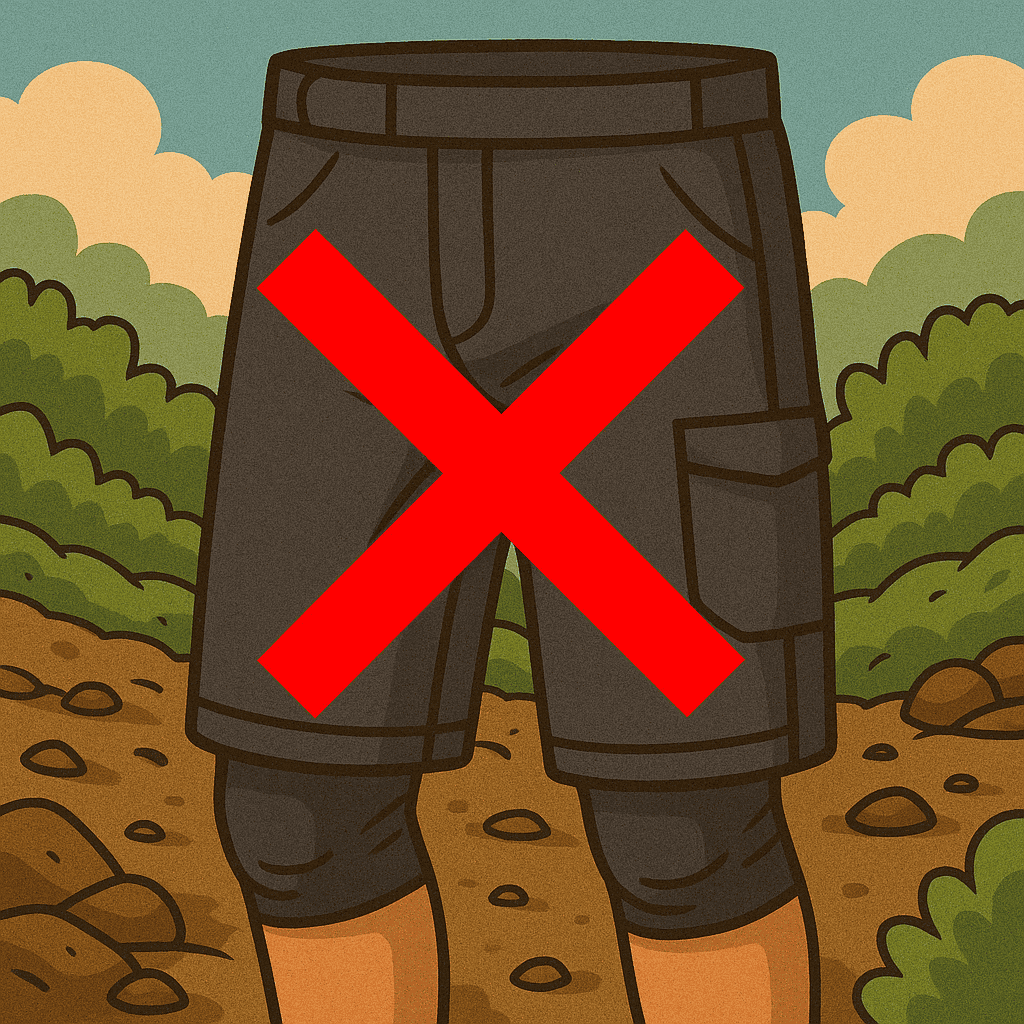
The best choice isn’t about brand loyalty, it’s about function. Pick the fit that matches your terrain, care for them properly, and they’ll reward you with seasons of comfort and confidence. When your gear works with you instead of against you, every ride feels smoother, faster, and freer.