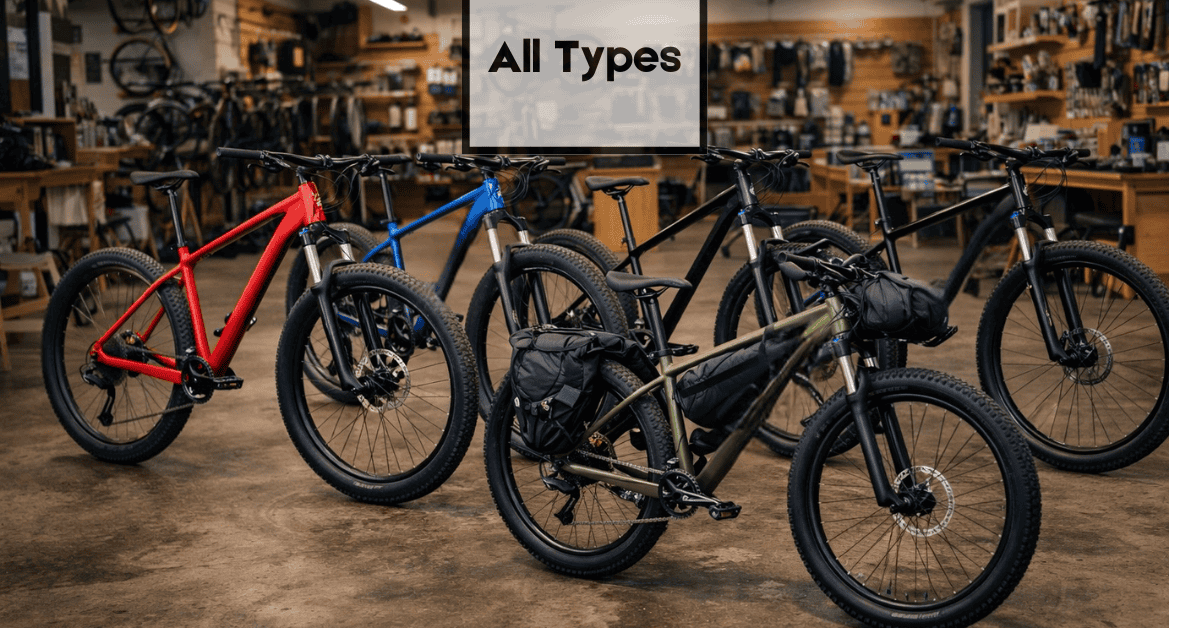
A hardtail mountain bike is exactly what it sounds like: suspension up front, no suspension in the rear. On paper, that sounds like a limitation.
In practice, it’s the reason having the best hardtail mountain bikes still makes so much sense for a huge percentage of riders. I’ve tested over 50 different bikes, from short-travel XC race bikes to long-travel trail bikes and enduro setups using their geometry in different stances. I’m reminded of how direct and efficient they feel, being my favorite form factor, even considering pros & cons.
As a veteran mountain biker, I’ve experienced many different landscapes and love to share my passion for mountain biking as my favorite hobby, prioritizing it as number one, especially in 2026.
For most riders on most trails, though, a hardtail hits a sweet spot between performance, cost, and long-term usability. Recognizing that people may have different expectations for hardtail bike setups, I have selected the top picks in multiple categories.
How to Choose the Best Hardtail Mountain Bike
Choosing the right hardtail comes down to understanding tradeoffs, not chasing numbers
Frame materials matter more than marketing.
Aluminum offers the best balance of weight, durability, and price. Steel rides smoothly and excels for aggressive riding or bikepacking. Carbon is light and stiff for racing but costs more and prioritizes efficiency over durability.
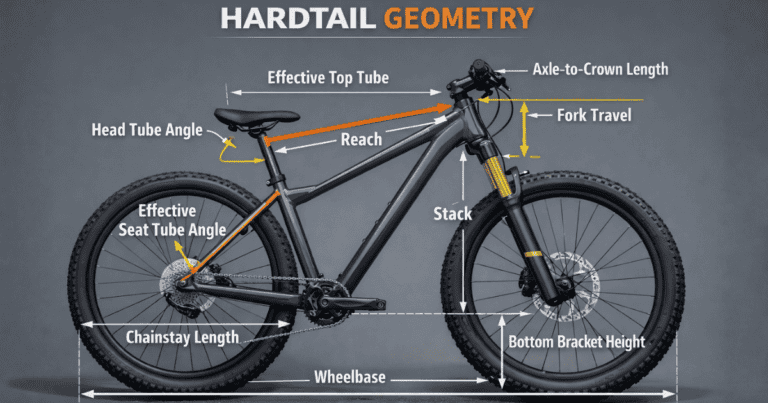
Geometry defines how the bike feels.
Longer reach and slacker head angles increase downhill confidence but reduce quick handling. Steeper angles feel faster and more responsive on climbs. Geometry explains why two bikes with the same fork travel can feel completely different on the trail.
Wheel Size Changes Personality.
29-inch wheels roll faster and smooth rough terrain. 27.5-inch wheels feel more playful and agile. Taller riders usually prefer 29ers; smaller riders or jump-focused riders may prefer 27.5 or mixed setups.
Geometry Expectations by Riding Style
| Riding Style | Head Angle | Fork Travel | Ride Feel |
|---|---|---|---|
| XC | 67–69° | 100–120 mm | Fast, efficient |
| Trail | 65–67° | 120–130 mm | Balanced |
| Aggressive | 63–65° | 130–150 mm | Stable, confident |
Reality check: Geometry doesn’t make a bike “better.” It makes it different. The right choice depends on your trails and riding style.
The current hardtail market is more diverse than it’s ever been, and that’s a good thing. Instead of one generic “trail hardtail,” brands are now building bikes with clear intent; some prioritize efficiency and speed, others stability and aggression, and a few focus on adaptability above all else.
Understanding why each of these bikes exists makes it much easier to decide which one belongs under you, not just which one looks best online.
Most Versatile
The Chameleon is one of the most versatile hardtail mountain bikes you can buy. It’s designed for riders who want a single bike that can handle trail riding, mixed terrain, and even light bikepacking without feeling out of place. It’s not the lightest hardtail, but it’s durable, adaptable, and confidence-inspiring across a wide range of trails.
Why it stands out
- Modern, balanced trail geometry
- Adjustable dropouts for multiple setups
- Excellent build quality and durability
Best Overall
The Best Value Hardtail (4.8/5)
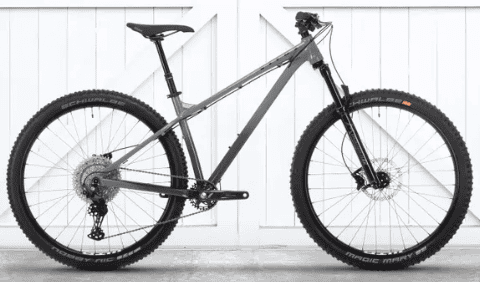
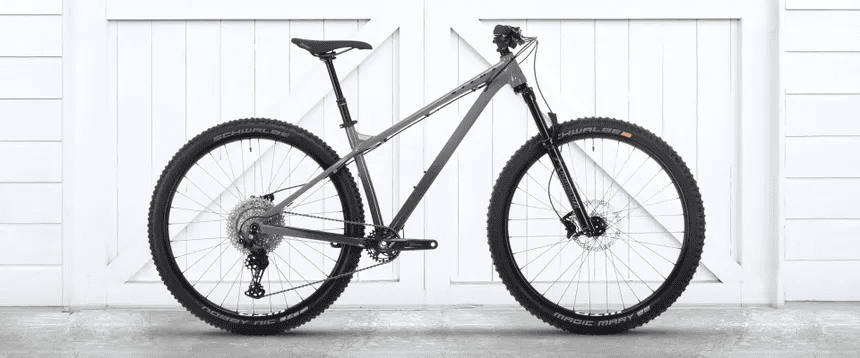
The Vitus Sentier 29 delivers aggressive trail performance at a price that’s hard to beat. It’s one of the best choices for riders who want modern geometry and downhill confidence without spending premium-brand money. This bike feels planted and capable on real trails, not just smooth loops.
Why it stands out
- Trail-focused geometry for stability
- Strong value for the components
- Handles rough terrain better than most hardtails
Best Value
Adaptable, playful, and durable, but heavier and pricier than pure XC bikes.
Modern Trail Performance On Budget (4.6/5)
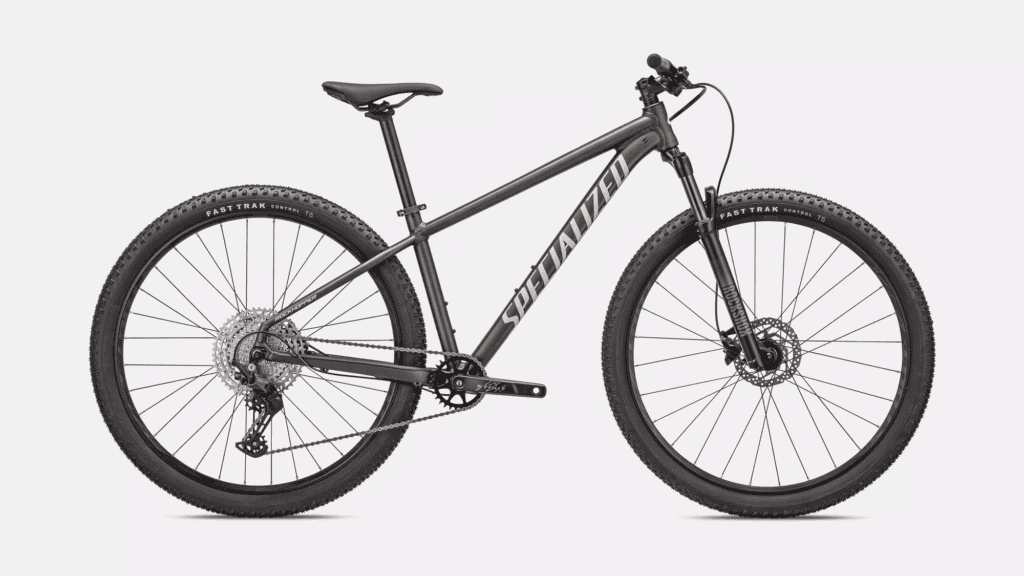
The Rockhopper Elite is a beginner-friendly hardtail that avoids the usual entry-level compromises. It’s predictable, efficient, and easy to upgrade over time, making it a solid choice for riders just getting into mountain biking or returning after a long break.
Why it stands out
- Air fork and hydraulic brakes at a fair price
- Stable, confidence-building handling
- Great upgrade platform for new riders
Best Budget
Adaptable, playful, and durable, but heavier and pricier than pure XC bikes.
Easygoing Hardtail (4.3/5)
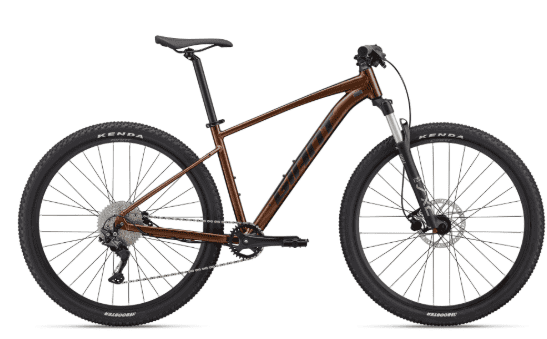
The Giant Talon 29 is a practical, approachable hardtail that works well for fitness riding, commuting, and light trail use. It’s not aggressive, but it’s comfortable, efficient, and widely available through local bike shops, which makes setup and support easier.
Why it stands out
- Comfortable geometry for long rides
- Excellent dealer availability
- Reliable for mixed pavement and trail use
Best Beginner
Adaptable, playful, and durable, but heavier and pricier than pure XC bikes.
Best Lightweight Hardtail (4.6/5)
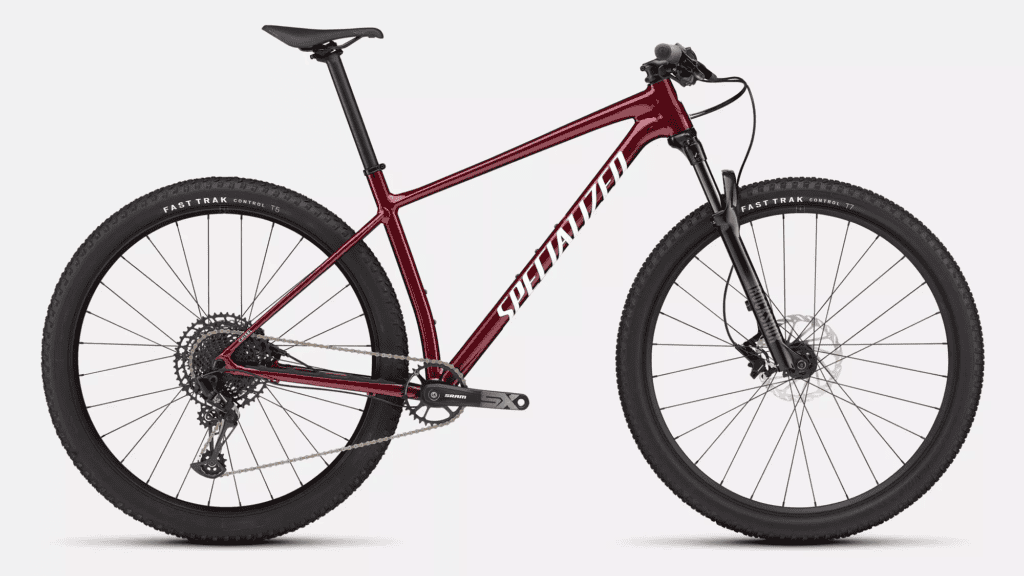
The Specialized Chisel is built for speed and efficiency. It’s one of the best aluminum XC hardtails available and feels fast everywhere, especially on climbs and rolling terrain. This is the bike for riders who care about efficiency more than downhill forgiveness.
Why it stands out
- Lightweight and race-oriented
- Efficient climbing performance
- Modern XC geometry without carbon pricing
Best XC Race
Adaptable, playful, and durable, but heavier and pricier than pure XC bikes.
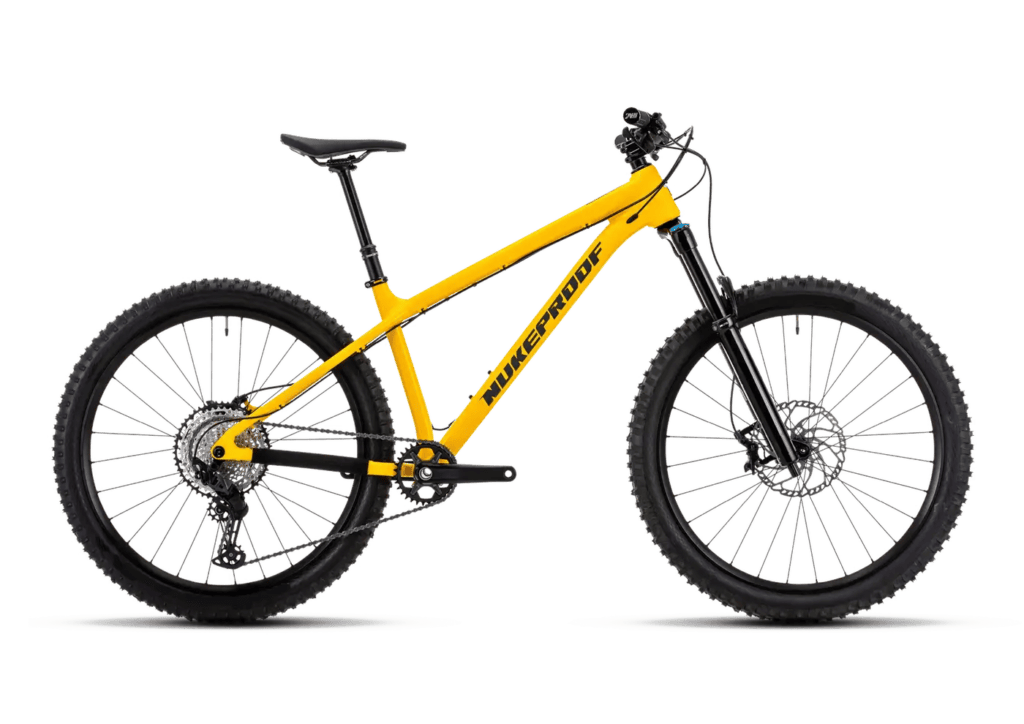
Best Aggressive Hardtail (4.7/5)
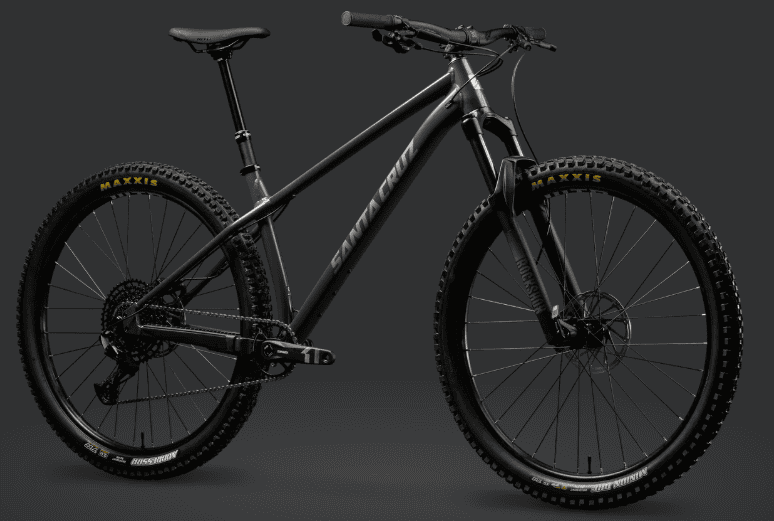
The Nukeproof Scout 290 pushes the limits of what a hardtail can handle. With aggressive geometry and a tough frame, it’s designed for riders who ride steep, technical trails and want maximum confidence without rear suspension.
Why it stands out
- Slack geometry for steep descents
- Strong, trail-ready frame
- One of the most capable aggressive hardtails
Best Aggressive Trail
Adaptable, playful, and durable, but heavier and pricier than pure XC bikes.
FAQs
Are hardtails good for beginners?
Yes. They’re affordable, simple, and excellent for learning skills.
Can you ride rough trails on a hardtail?
Yes, with good technique and realistic expectations.
Do I need a dropper post?
You don’t need one, but it’s one of the best upgrades you can make.