Why the Mountain Bike Tire Sidewall Protection Matters in 2025
Tires are the foundation of control on a mountain bike, but they take more abuse than any other component. If you already understand your mtb tire compound and know how to patch and seal mtb tires on the trail, then you know flat prevention starts with preparation. The next key to mastering tire performance is learning how sidewall protection changes the ride. MTB tire sidewall protection is often misunderstood. Many riders focus only on tread pattern and pressure, but the sidewall quietly defines how stable your tire feels when cornering, climbing, or smashing through rock gardens. This guide explains what sidewall protection is, why it matters, and how it can improve your control, comfort, and durability on the trail.
What Is MTB Tire Sidewall Protection
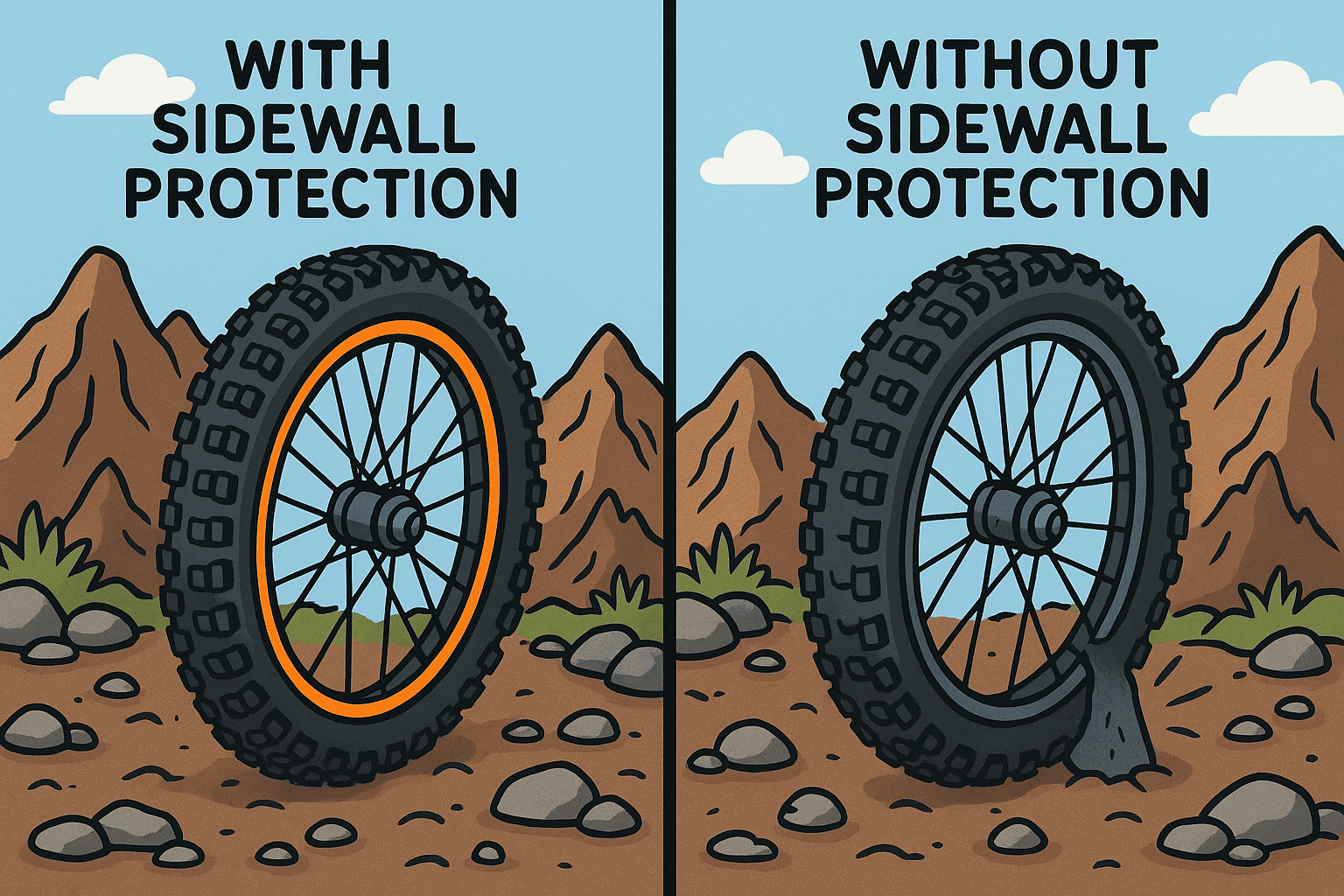
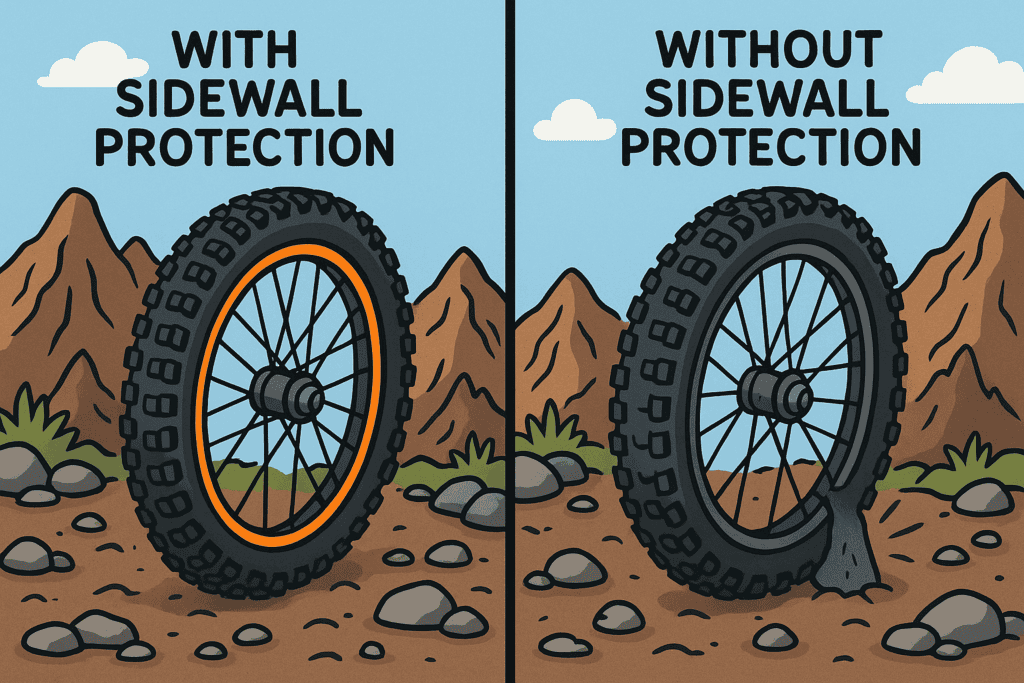
Sidewall protection is a reinforcement layer built into the side of a mountain bike tire. It shields the casing from sharp rocks, roots, and rim strikes that can cause slashes or blowouts. These layers help keep the tire’s structure firm under stress.
- Protects against sharp trail debris and slashes
- Improves tire shape and support under pressure
- Extends overall tire life
Understanding the Sidewall Zone
The sidewall runs between the tread and the bead, forming the outer skin of the tire.

It flexes constantly as the tire rolls and compresses, which makes it vulnerable to cuts and weak spots. Reinforced materials strengthen this area, especially for riders running lower pressures.
What Makes It Different From Standard Tires
A standard casing tire often flexes more under load, which can feel comfortable on smooth trails but unstable in rough terrain.
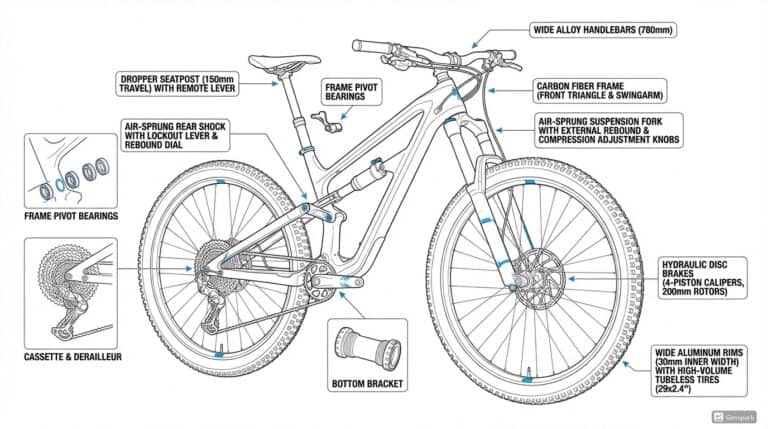
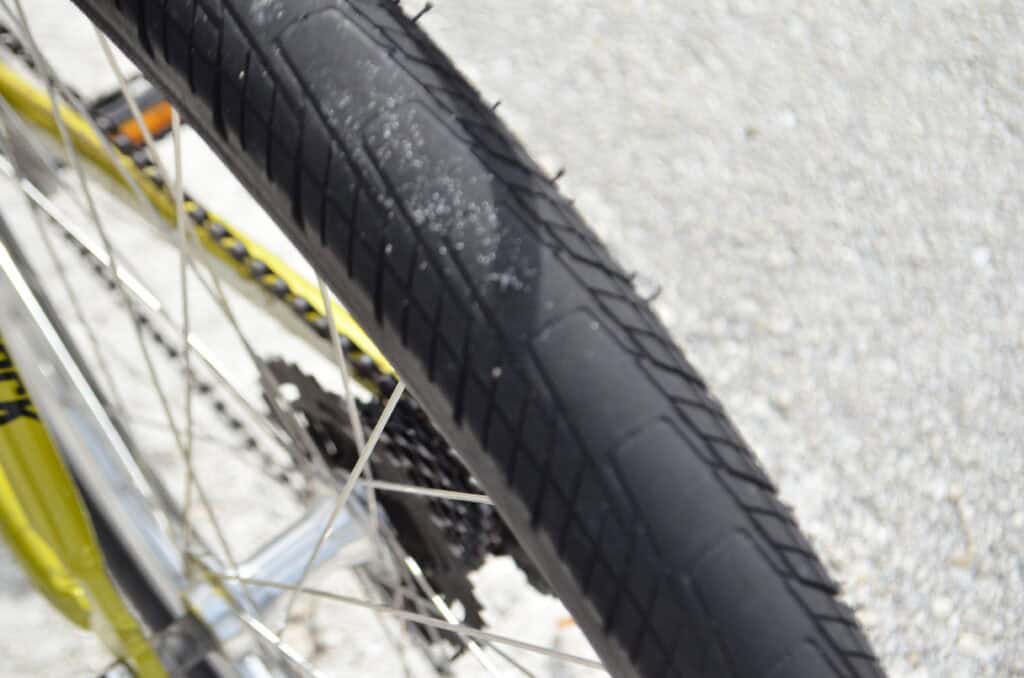
Reinforced sidewalls add stiffness and support, keeping the tire planted through hard corners and sharp hits. My own experience through this image shows here. If you have a thin tire like one of mine like this, you may have some trouble hitting some corners and you may need a thicker tire.
Why Sidewall Protection Matters on the Trail
Sidewall protection lets you ride harder without worrying about tearing or folding your tire mid-descent. It adds durability and confidence, especially when the trail gets rocky, steep, or unpredictable.
- Reduces slashes and pinch flats
- Improves control during aggressive cornering
- Helps prevent burping in tubeless setups
Durability for Rough Terrain
When you hit sharp edges or rock gardens, the sidewall takes the impact before the rim.

Reinforced tires absorb this energy better, preventing cuts and tears that can end your ride early.
Improved Handling at Lower Pressure
Running slightly lower pressure gives better traction, but it can cause tires to deform. A stronger sidewall prevents collapse, keeping the tread in contact with the ground for balanced grip.
Types of MTB Tire Sidewall Protection
Different tire brands use unique reinforcement designs. Some focus on reducing weight, while others prioritize durability and stiffness for high-speed, aggressive riding.
- Fabric-reinforced sidewalls
- Rubber-coated or multi-layer casings
- Insert-compatible reinforced builds
Fabric Reinforcement Layers
These layers are woven into the casing to resist cuts from sharp rocks and roots.
They provide a balance of protection and flexibility, ideal for trail and light enduro riders.
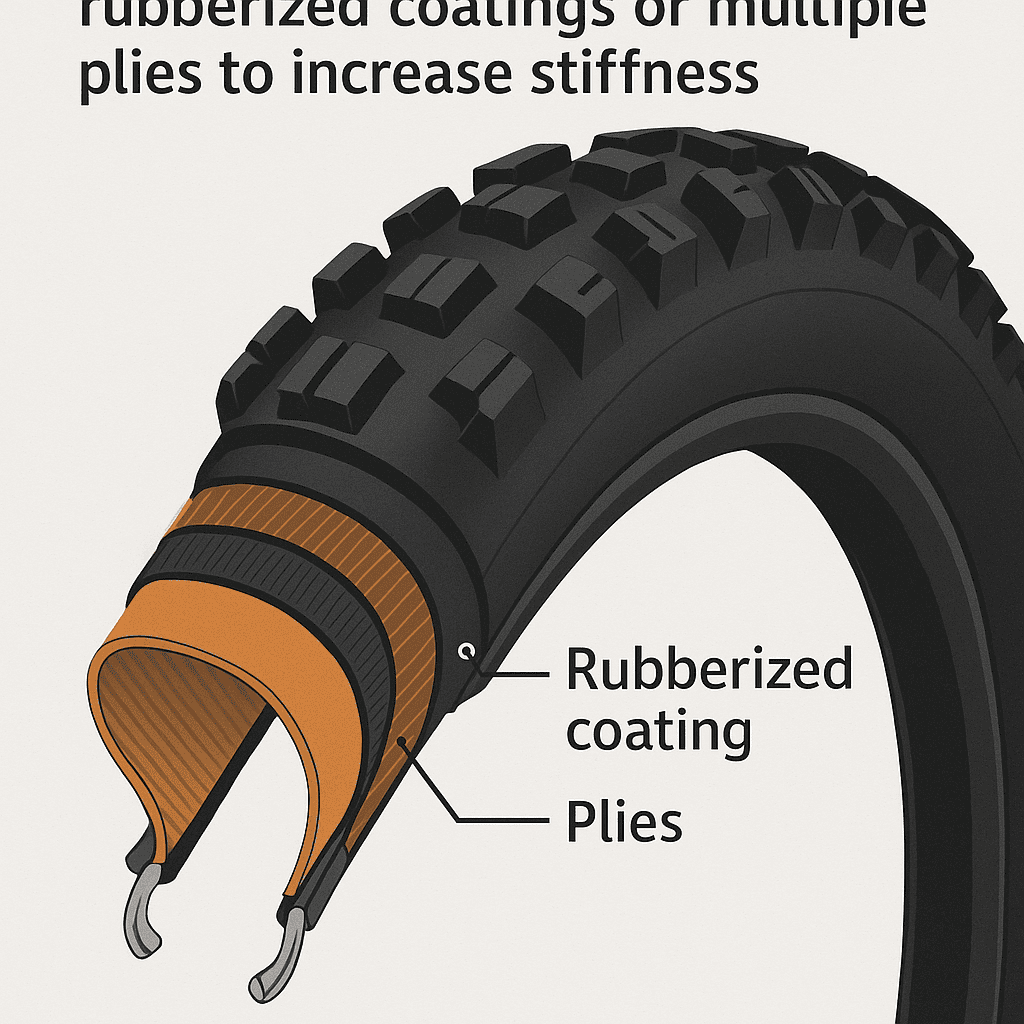
Rubberized or Multi-Layer Options
Heavier-duty models use rubberized coatings or multiple plies to increase stiffness.
They prevent tire flex and add stability for technical descents or bike park terrain.
When You Should Choose Stronger Sidewalls
The right sidewall protection depends on terrain, tire pressure, and how aggressively you ride.
Softer trails or flow tracks need less reinforcement, while rocky and rooty trails benefit from extra strength.
- Frequent rim strikes or pinch flats
- Riding sharp, rocky terrain
- Running low psi for grip
Trail and Enduro Riders
If your rides involve steep descents, rock rolls, or roots, thicker sidewalls are worth it.
They reduce casing damage and maintain tire structure through constant impacts.
Signs You Need More Support
If you often find torn sidewalls, dented rims, or tires folding during cornering, you need stronger casing.
Upgrading to reinforced sidewalls improves durability and eliminates that vague “squishy” feeling at speed.
Sidewall Protection vs Standard Casing
Standard casing is lighter and more flexible, but it sacrifices protection. Reinforced casing adds a bit of weight, but the tradeoff is better reliability and cornering stability.
- Standard casing = lighter, more supple feel
- Reinforced casing = stronger, stiffer, more durable
- The difference depends on terrain and riding style

Weight vs Control
Lightweight casings help on long climbs, but they deform faster under pressure.
Reinforced tires are heavier but provide stability that saves energy on descents. The extra grams are often worth the control.
Comfort vs Confidence
Standard casings feel smooth on mellow trails but unstable under aggressive braking.
Reinforced sidewalls feel firmer but give more consistent feedback, making the bike more predictable on sketchy terrain.
How Sidewall Protection Works With Tubeless Setups
Tubeless tires rely on sidewall integrity to maintain a solid air seal. Reinforced sidewalls enhance tubeless performance by minimizing air loss and bead movement.
- Prevents burping and air leaks
- Keeps the bead locked to the rim
- Helps maintain pressure on rough terrain
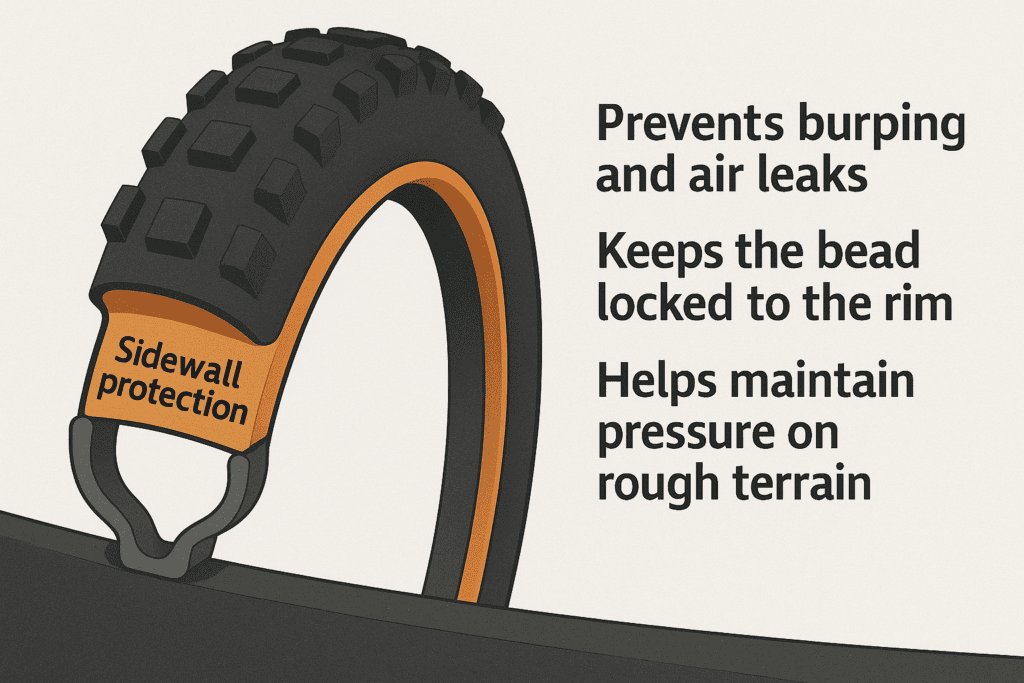
Bead Stability and Air Retention
When cornering, tubeless beads can stretch or slip, releasing air.
A reinforced sidewall keeps everything tight, preventing sudden loss of pressure that ruins momentum.
Sealant Efficiency and Longevity
Thicker casings hold sealant longer and resist weeping through pores.
That means fewer top-ups and more consistent sealing across different temperatures and pressures.
How Sidewall Protection Affects Ride Feel
Every change to tire construction affects how the bike feels under you. Reinforced sidewalls can transform how a tire tracks, corners, and lands.
- Stiffer feel and predictable cornering
- Slightly reduced vibration comfort
- Stronger rebound and stability at speed

Controlled Flex for Better Grip
Reinforced casings flex less, but that’s not a bad thing.
It channels grip into traction zones, making the bike respond faster when pushing through corners or berms.
Firm But Confident Ride Feedback
While you might lose a bit of small-bump compliance, the confidence in high-speed sections or steep descents outweighs it. The bike feels grounded and ready for hits.
Choosing the Right Sidewall for Your Terrain
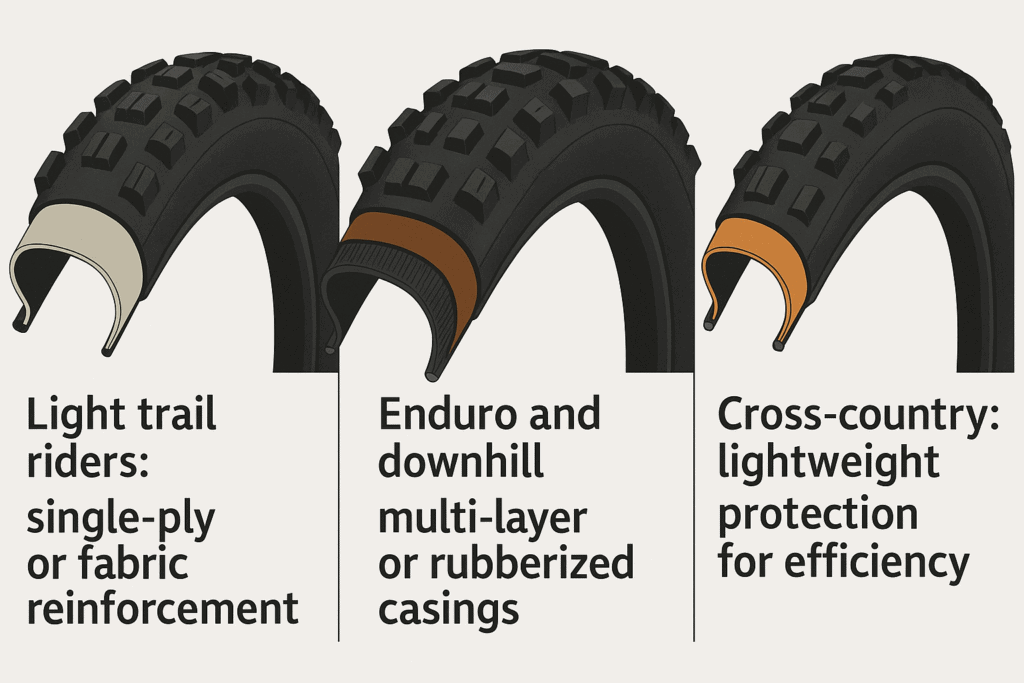
Different types of sidewall reinforcement are tuned for terrain and discipline. Matching your tire’s casing to your trails maximizes grip and reduces wear.
- Light trail riders: single-ply or fabric reinforcement
- Enduro and downhill: multi-layer or rubberized casings
- Cross-country: lightweight protection for efficiency
Trail and Downhill Setups
Trail riders benefit from mid-weight protection that doesn’t slow climbing. Downhill setups favor multi-layer casings to survive sharp hits and heavy braking forces.
Mixing Front and Rear Casings
Some riders mix lighter front tires with stronger rear casings. The rear wheel takes more abuse, so balancing the setup can save weight while protecting key areas.