Mountain Bike Tire Compound Explained: Grip & Speed
Ever felt like your tire wasn’t quite gripping to the ground or it got stuck on rocks the last time you went mountain biking?
I’ve been there, even with my current tire setup, which isn’t very wide; there’s something I realized so much to the point that it changed the entire way I set up my bike when I go on single track trails.
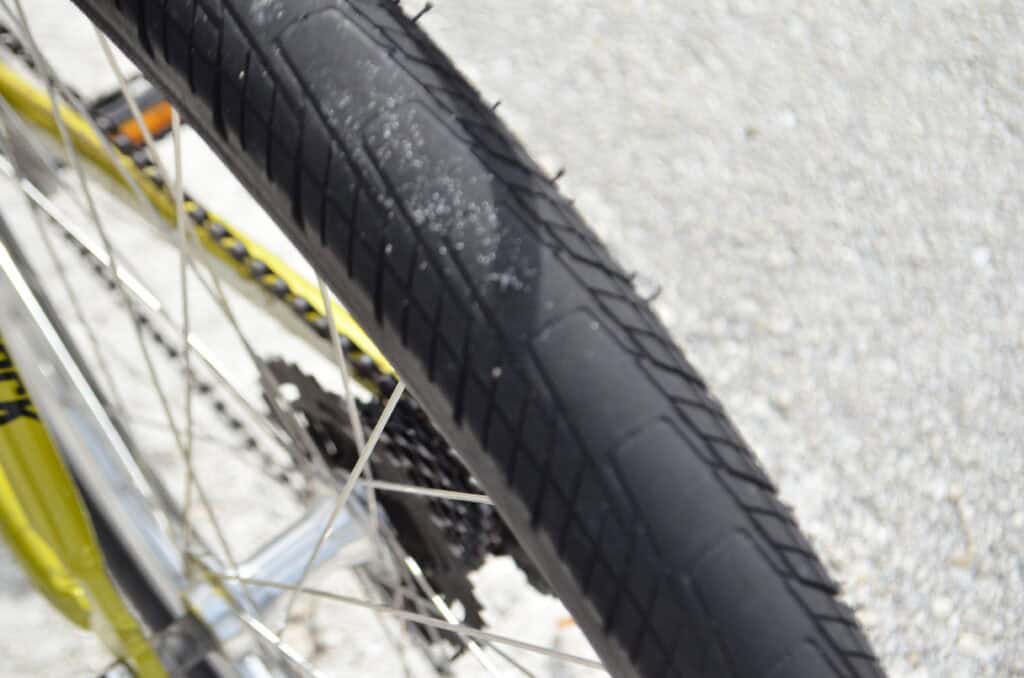
It was…. my mountain bike tire compound.
Quite simple, actually, and along with a mountain bike tire pressure chart, which I recommend as well, the shape of the rubber on my tire was holding me back immensely and was counterproductive for me moving fast on these trails.
Ultimately in this guide, I will share with you how soft rubber compounds like the tire above can benefit you, what a tire compound is relevant to trailheading, and what to consider for your current setup.
What Is an MTB Tire Compound
Where It Works Best
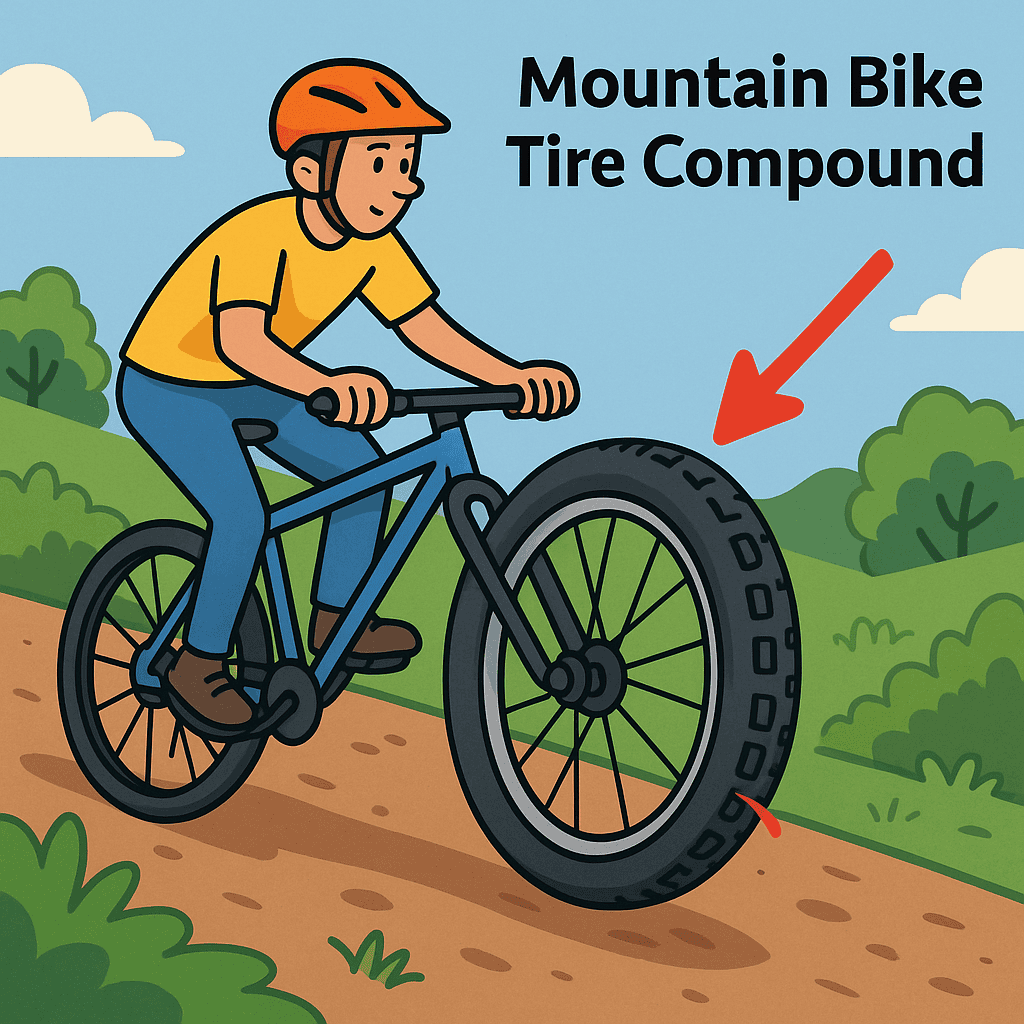
A tire compound is the rubber blend used in the tread, and it influences grip, rebound, rolling feel, and surface feedback. Riders who want predictable control should choose a compound that matches the terrain they ride most often. Softer rubber flexes and grips, while firmer rubber rolls faster and resists wear.
What to Watch For
Tires with the same tread pattern can feel completely different when the rubber is not the same. When the traction or ride think does not match expectations, the compound is often the reason. Selecting rubber based on trail type is one of the biggest steps toward stable and confident handling.
I want to share a video from my favorite creator Bern Peak which I’ve picked up a lot of knowledge over the years and what got me into mountain biking. In this video he shows a fat bike with cheap tires and it shows how this affects the ride quality, speed and grip of the bike.
Soft Rubber Compounds for Maximum Grip
Where It Works Best
Soft rubber excels on loose soil, rock, roots, and rough technical terrain. It molds to the trail surface to create maximum traction and better braking stability. Riders who prioritize control and confidence on challenging ground will benefit from soft rubber.
What to Watch For
Soft rubber wears faster and rolls slower on hard pack or pavement. It can also feel less efficient during long climbs. It is best for riders who value control over speed and who ride terrain where grip matters most.
Firm Rubber Compounds for Speed and Durability
Where It Works Best
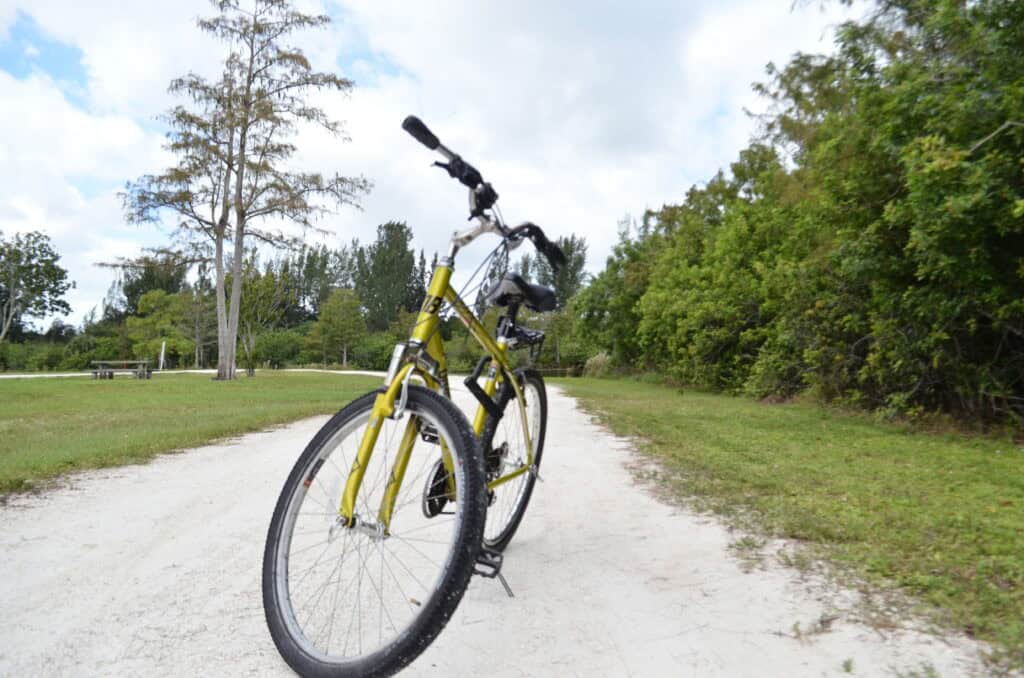
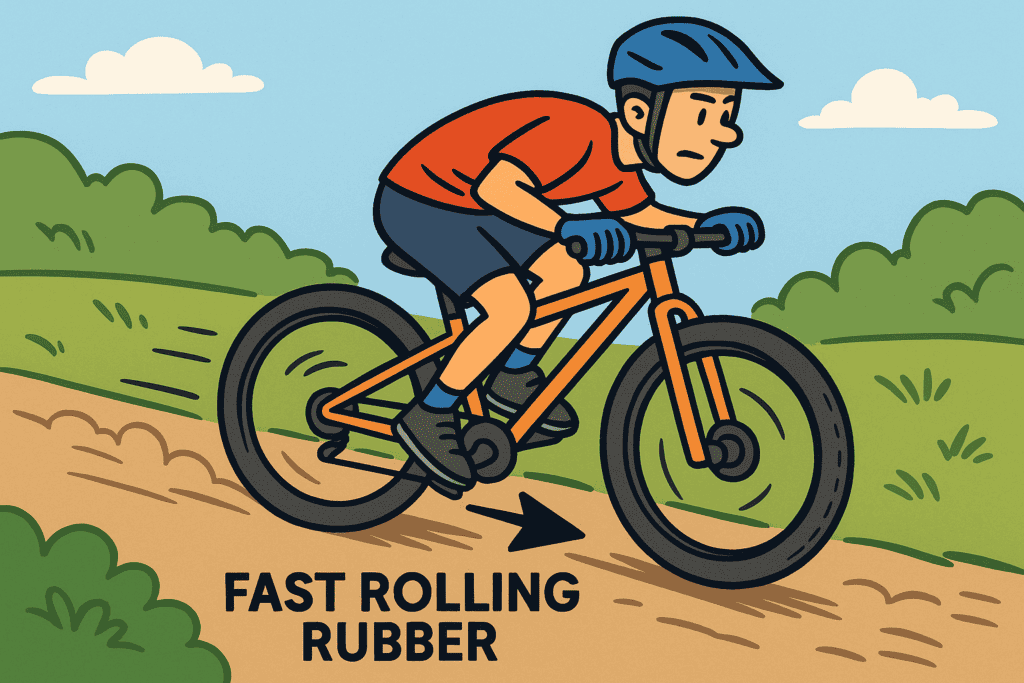
Firm rubber is ideal for dry terrain, hard-packed trails, and long-distance riding. It rolls faster, lasts longer, and maintains shape under pressure. It is a strong choice for endurance rides, cross-country efforts, and high-mileage training.
What to Watch For
Firm rubber offers less traction on wet roots, loose ground, or slick surfaces. It can feel harsh or unstable on rough terrain compared to softer rubber. Riders who choose it gain efficiency but must be more precise in corners and braking zones.
Choosing the Right Compound for Your Riding Style
Where It Works Best
Soft rubber is ideal for riders who need grip on rough surfaces, while firm rubber benefits riders who want speed on hard pack. Dual compound offers a balanced choice for mixed conditions. Matching rubber to the riding surface delivers the most noticeable improvement.
What to Watch For
There is no single compound that works best everywhere. Riders should choose rubber based on trail type, weather, and riding goals. Making selections based on terrain instead of habit leads to better handling and less frustration.
How Tire Pressure and Tread Work with Compound
Where It Works Best
Lower pressure increases traction for soft rubber, while higher pressure improves efficiency for firm rubber. Tread controls bite and direction, while compound controls feel and contact. Together, they determine how a tire behaves under load.
What to Watch For
Pressure changes can improve or weaken rubber performance depending on the terrain. Adjust in small steps to avoid sudden handling changes. Choosing tread first, compound second, and pressure last makes setup easier and more predictable.
Conclusion
Selecting the right rubber compound changes how your bike rides, corners, and brakes, giving it a more controlled and confident feel on the trail. Soft rubber delivers strong traction, firm rubber improves speed and durability, and dual compound blends both for all-around performance. Once you understand rubber, fine tune your setup with a proper tubeless system and a smart tire pressure plan. With the right compound under your wheels, your ride becomes smoother, more predictable, and more enjoyable on every trail.