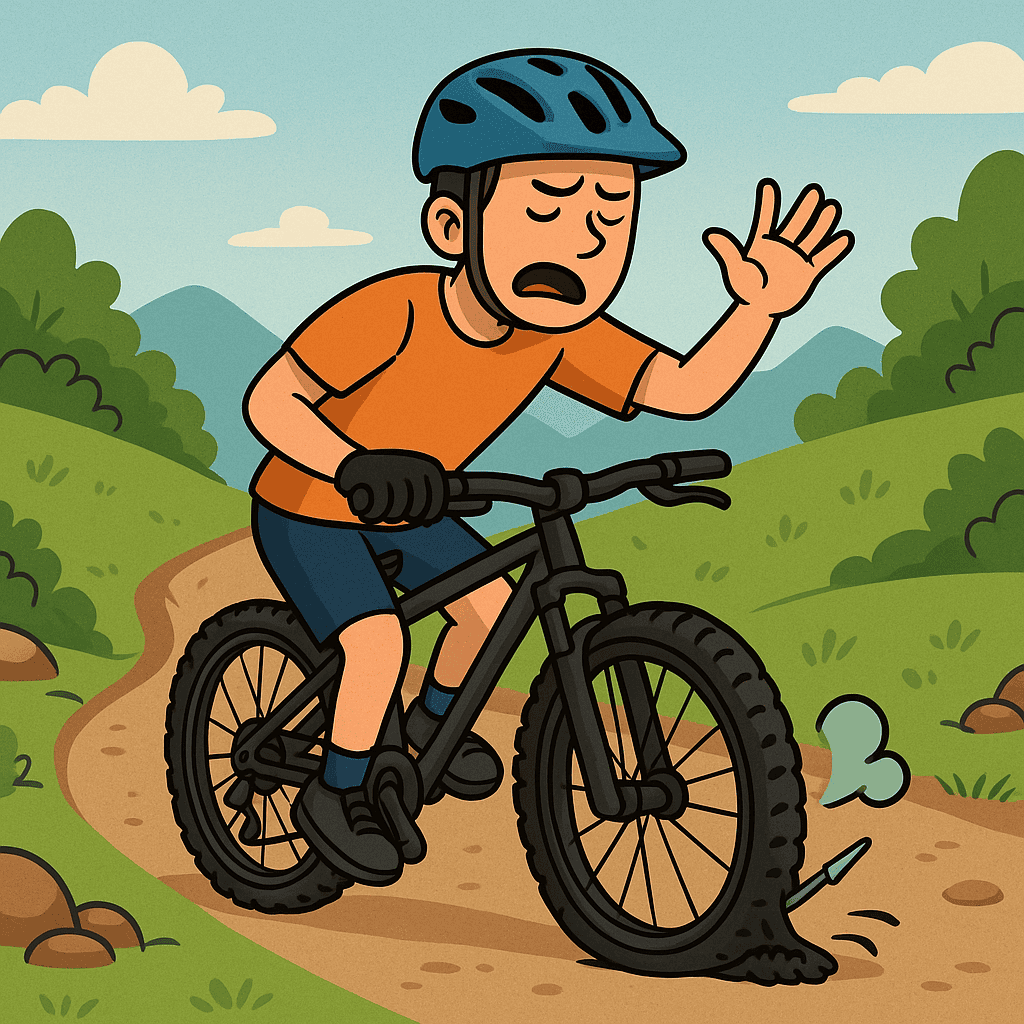
How to Patch and Seal MTB Tires on the Trail
Introduction
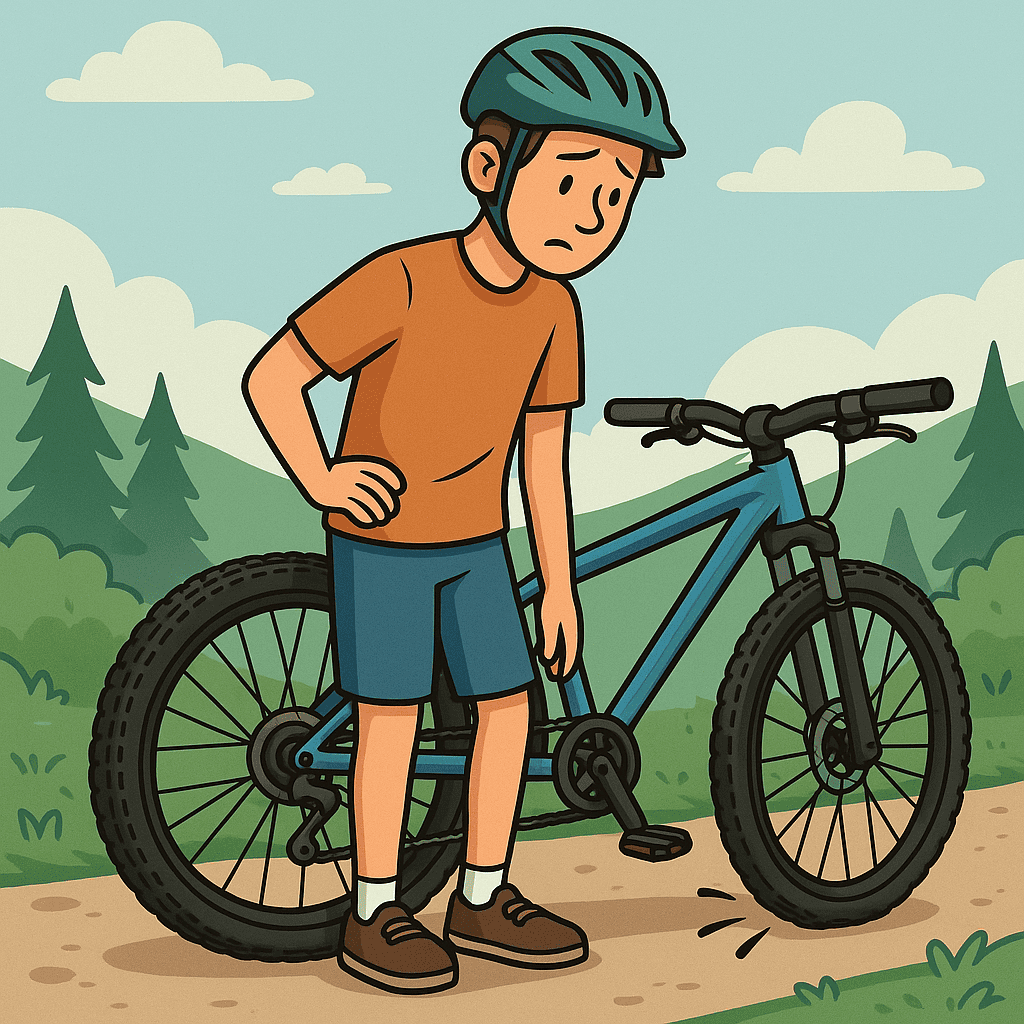
Nothing ruins a good ride faster than hearing that soft air leaving a tire. Worst part is being miles from the beginning of the trailhead. I used to panic every time I even heard a sound like that happening. My mind would race, my hands would shake, and I would waste time hoping the tire would magically seal itself. This is why I turned to figuring out a method for doing this in the worst of situations, figuring our how to patch and seal mtb tires the right way.
If you already have a solid tubeless mountain bike setup, keep your tire pressure dialed for trail and downhill rides, and use one of the best mountain bike tires for 2025, you are already halfway to preventing most flats. This guide builds on that foundation and shows how to patch and seal a mountain bike tire on the trail so you can keep rolling instead of hiking back home.
Why Trail Repair Skills Matter
Every rider eventually learns that flats happen no matter what. Smooth cross-country paths, rocky descents, and even brand new tires can catch you off guard. I have flatted in the middle of a peaceful morning ride and during a downhill sprint that had me smiling two seconds before disaster hit the corner of a trail SMH.
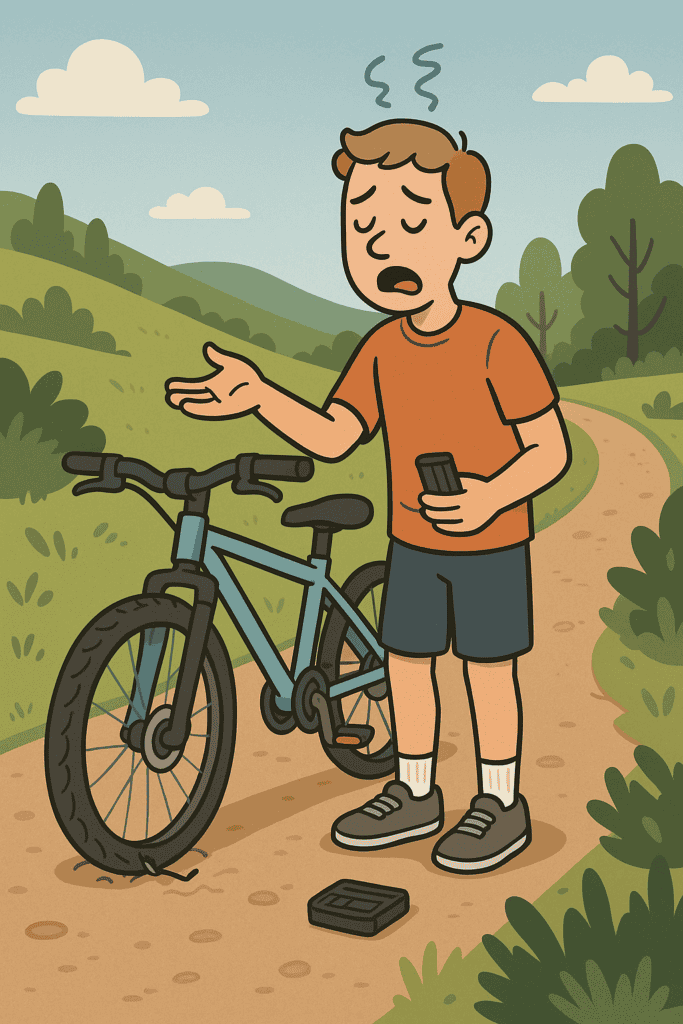
Learning to fix a tire in the moment gives you a calm confidence that changes the way you ride. It is not about making a perfect repair. It is about keeping the wheels turning and your focus on the trail instead of the walk back. Knowing how to seal a small puncture also extends the life of your tires, saving you money and frustration over time.
What You Should Always Carry in Your Pack
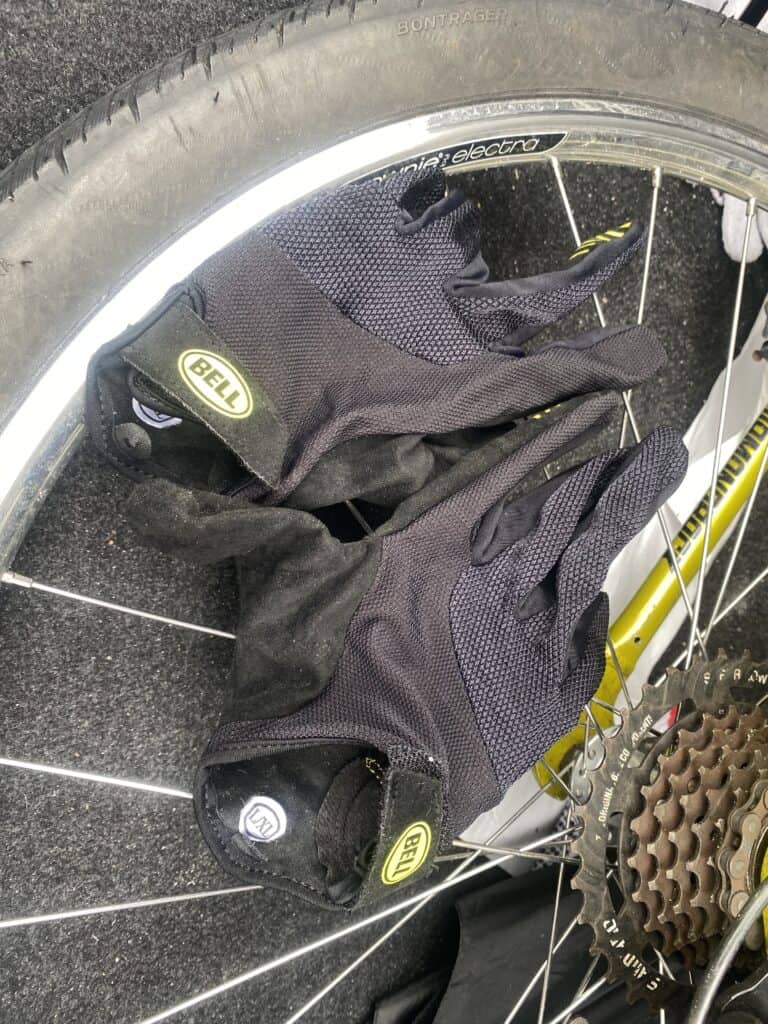
My trail kit is simple and small enough to forget about until I need it. A plug tool with a few bacon strips, a mini pump that moves real air, a small bottle of sealant, tire levers, a spare tube, and a pair of thin gloves for messy jobs.
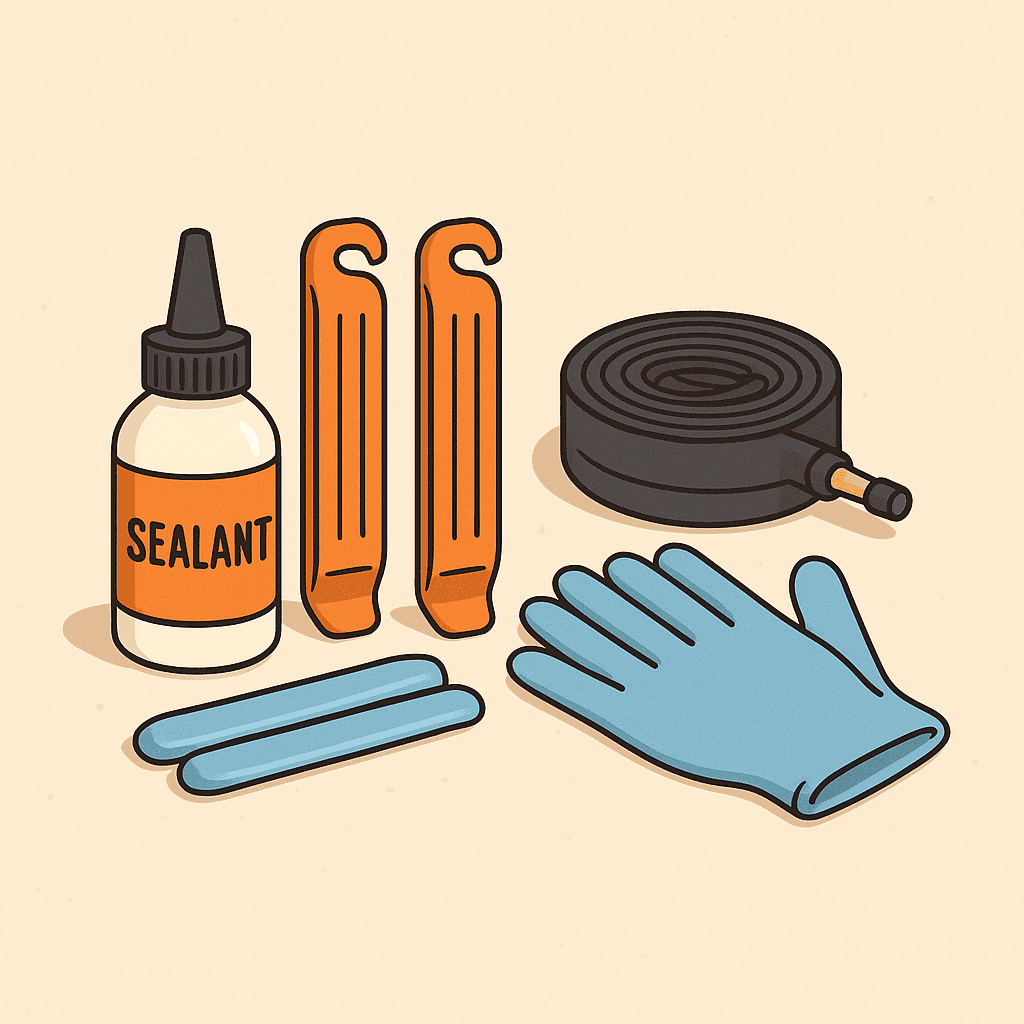
I keep them rolled together in a small pouch that stays in my pack all season. The goal is not to carry a full toolbox. It is to have a few things that can save a ride when luck runs out. Once you build your kit and get used to using it, you start to feel ready for anything.
How to Fix a Tubeless Tire on the Trail
The moment you hear a leak, stop and listen. Sometimes it is small enough that spinning the tire will let the sealant find and close it. If it keeps hissing, find the hole with your fingers and mark it with your thumb so you do not lose it.
Grab your plug tool, push a strip straight into the hole, twist slightly, and pull it back just enough to leave a small piece hanging out. Spin the tire again to coat the inside with sealant. I still remember the first time I tried this and the sound of air stopped completely. That small win gave me the confidence I never had before. Think of it the same way as you do a car in the situation.
When it comes to inflation, slow is better. A mini pump offers more control than a CO2 cartridge, but both are effective. Add air in short bursts and make sure the bead seats before fully inflating. If you hear air escaping from the rim, stop and reset. Once it feels firm, bounce the wheel gently and check for leaks. I usually give it a minute before riding again, just to be sure the seal holds.
Quick Tips for Preventing Flats
Most riders only think about repair when they are already stranded. The secret is to prevent flats before they happen. I replace sealant every couple of months because old sealant dries up and stops working when you need it most.
I check my tires after rocky rides and remove sharp bits before they become a problem. I keep my pressure at a point where the tire flexes without folding. I also make sure my plug kit is easy to reach instead of being buried under snacks. Little habits like that make flats rare, not random.
Conclusion
Learning how to patch and seal a tire on the trail changed how I ride. It turned a moment of frustration into one of control. Now, when I hear that hiss, I do not panic. I reach for my kit, fix it, and keep going.
The more you practice, the faster it becomes second nature. Keep your tools ready, your sealant fresh, and your pressure consistent. For setup help and tire choices that make trail fixes easier, check out the full guides on tubeless mountain bike setups and the best mountain bike tires for 2025. Once you get this down, a flat tire is not the end of a ride — it is just a short story you tell later with a smile.