Best MTB Shoes for Wide Feet (That Actually Fit)
Finding bike shoes that actually fit wide feet can feel like chasing a unicorn. For years, I thought the pain, numbness, and hot spots were just part of riding. I even started using athletic shoes again. Recognize that the best mtb shoes for wide feet last way longer than any of the nike branded shoes you see at the store.
Truthfully, I’ve tried a few from thrift stores, and that’s how I got into it, but the truth is, standard cycling shoes are built on a D shape with a width last, which doesn’t work for a lot of riders.
If your feet are wider than average, you’ve probably felt that squeeze in the forefoot or the pinch in the toe box. And once you’ve had your toes go numb halfway up a climb, you start realizing comfort isn’t a luxury, it’s performance. If you’ve ever bowled, you know. Here in the article we cover the best
Top MTB Shoe Models for Wide Feet
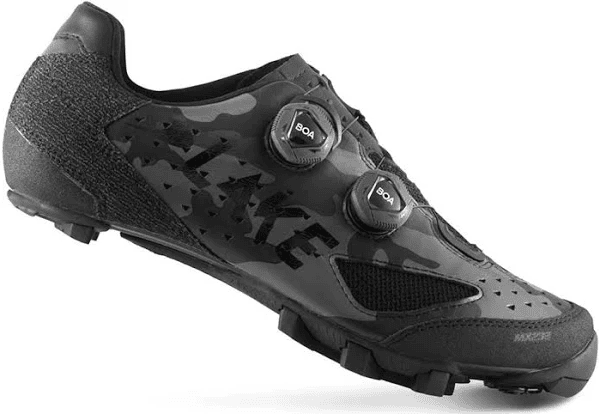
Lake MX238
Lake is the gold standard for me. The MX238 comes in multiple width options, and the wide version feels genuinely wide. The toe box has enough room that I stopped taping my toes for long rides, which was a huge win.
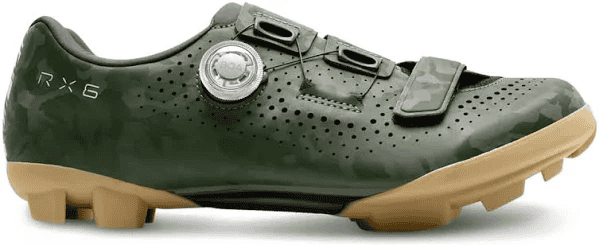
Shimano SH-RX600 Wide
Shimano also offers wide editions, like the SH-RX600, which give you Boa adjustability and a last that actually respects wider feet. They work just as well for gravel as they do for MTB, and they’re easy to walk in off the bike.
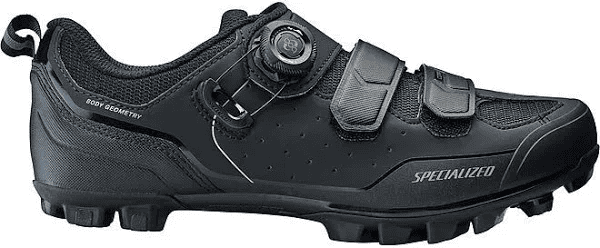
Specialized Comp MTB (Wide)
For something more budget-friendly, I’ve had good luck with Specialized Comp MTB in their wide fit. They aren’t as roomy as Lake, but they’re durable and dependable.
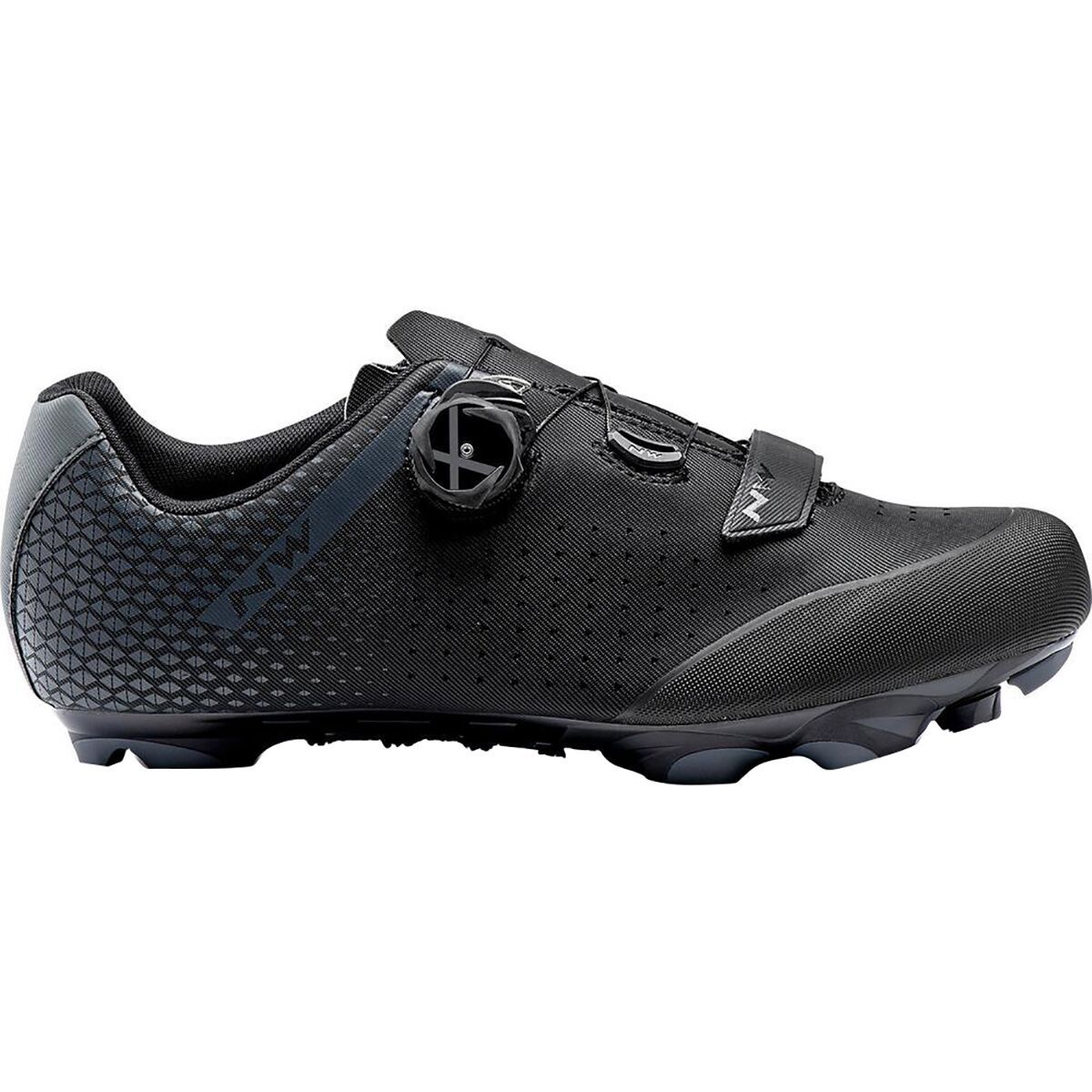
Northwave Genetix Plus 2 Wide
Northwave surprised me with their Genetix Plus 2 Wide. They were half the price of my Lakes and handled a weeklong trip without giving me blisters once.
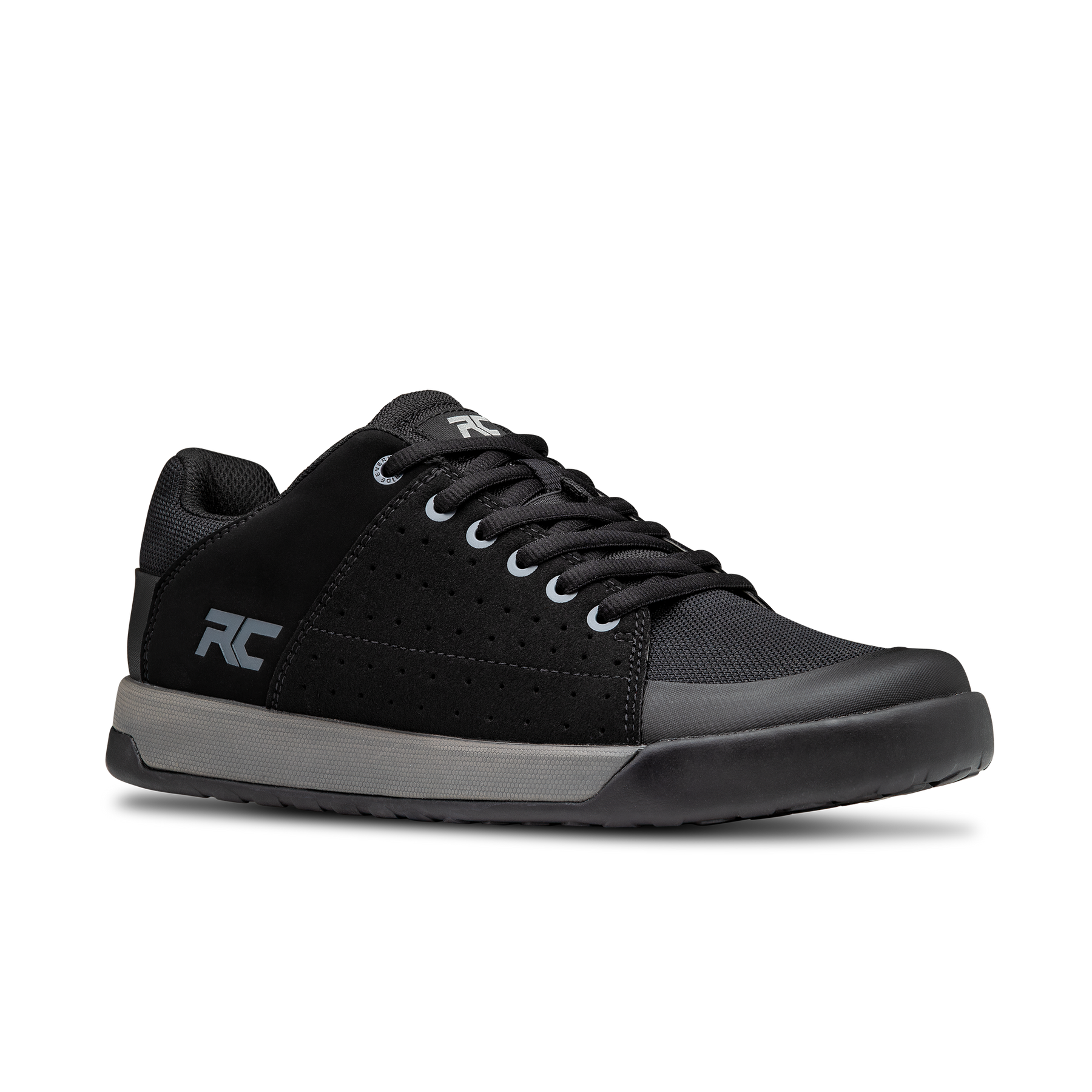
Ride Concepts Livewire Flat
If you ride flats, Ride Concepts Livewire is a solid choice, with a more forgiving sneaker-like design. And if you want something casual that still works on the trail.
Why Standard MTB Shoes Often Fail Wide Feet
Narrow Toe Boxes and Numbness
I remember trying my first pair of high-end MTB shoes. They looked sharp, made me feel like a pro, and everyone at the shop swore they would fit perfectly.
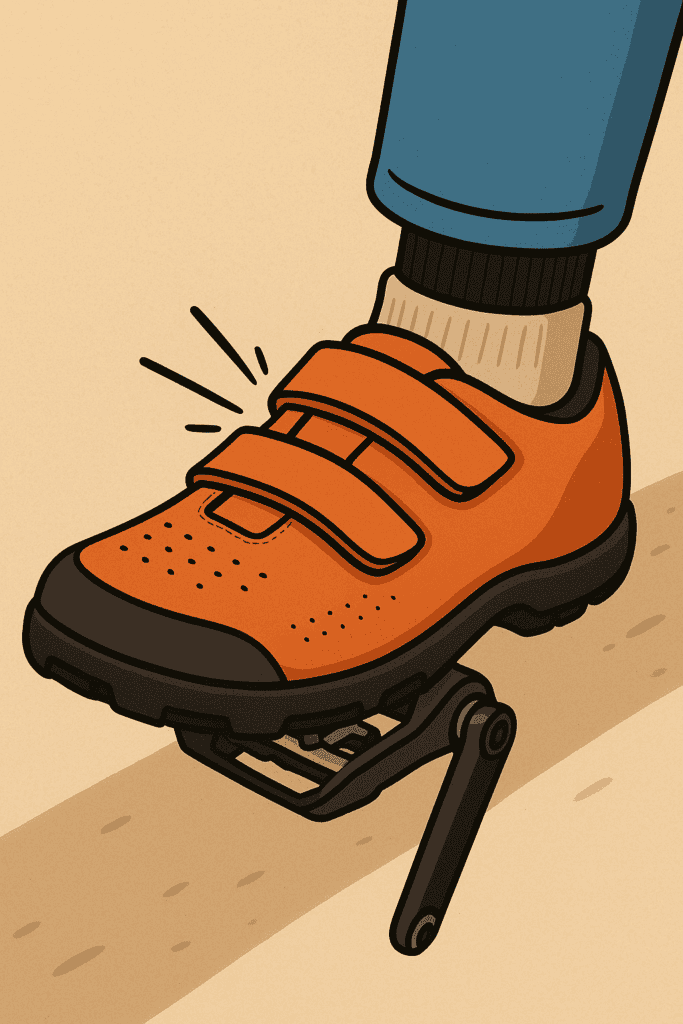
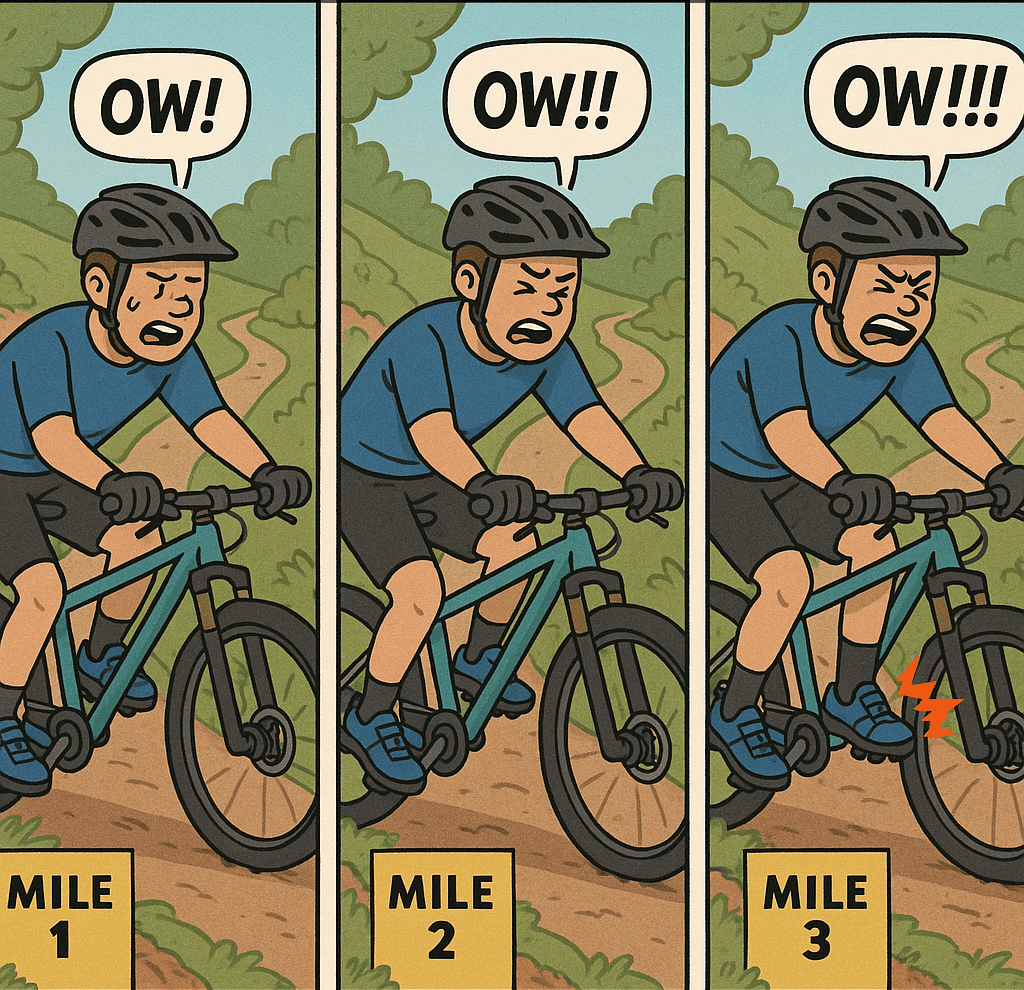
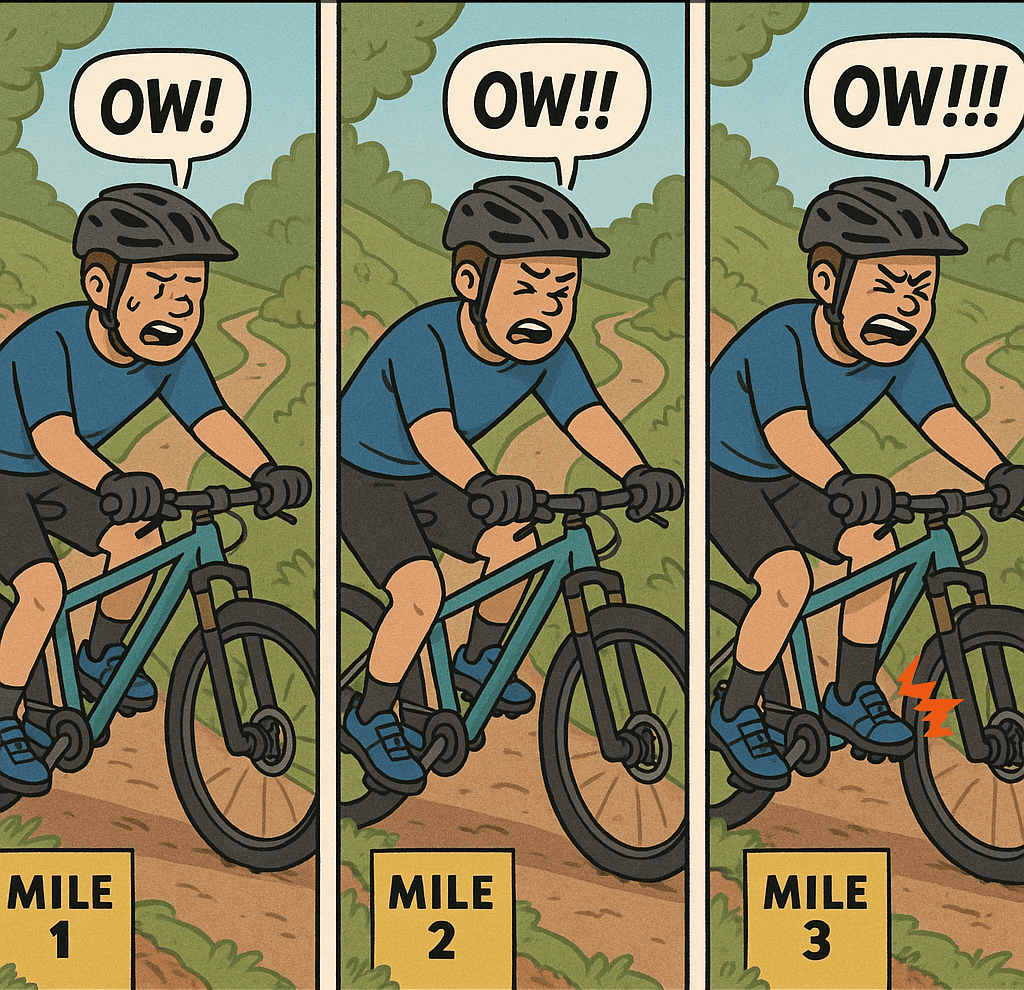
Ten minutes into the ride, though, I felt like my feet were trapped in a vise. By mile three, my toes were completely numb. That’s the reality for a lot of us with wide feet because clipless shoes are shaped differently than regular athletic shoes.
Materials and Closure Systems
The problem comes down to the narrow toe boxes and stiff materials most brands use. They taper the shoe to look sleek, but if your foot naturally spreads, the pressure builds up fast. Add in materials like synthetic leather that barely stretch, and suddenly every pedal stroke is a reminder that the shoe wasn’t made with your foot in mind.
Closure systems don’t help much either. Boa dials are convenient, but tighten them too far and it feels like a zip tie across your midfoot. Velcro straps often dig in at odd angles, creating uneven pressure points.
Lack of Width Transparency
To make matters worse, a lot of companies don’t even disclose real internal widths. You can measure your foot at home, compare it to their chart, and still end up guessing. I once ordered a so-called wide model that was maybe two millimeters bigger than the standard version. Two millimeters doesn’t mean much once your feet swell during a ride.
Key Fit and Design Features to Prioritize
True Wide Options
After enough bad purchases, I started keeping a mental checklist of what actually works. The first thing is obvious but easy to overlook—buy true wide or extra-wide shoes. Look for models clearly marked with “Wide,” “W,” or “EE.”
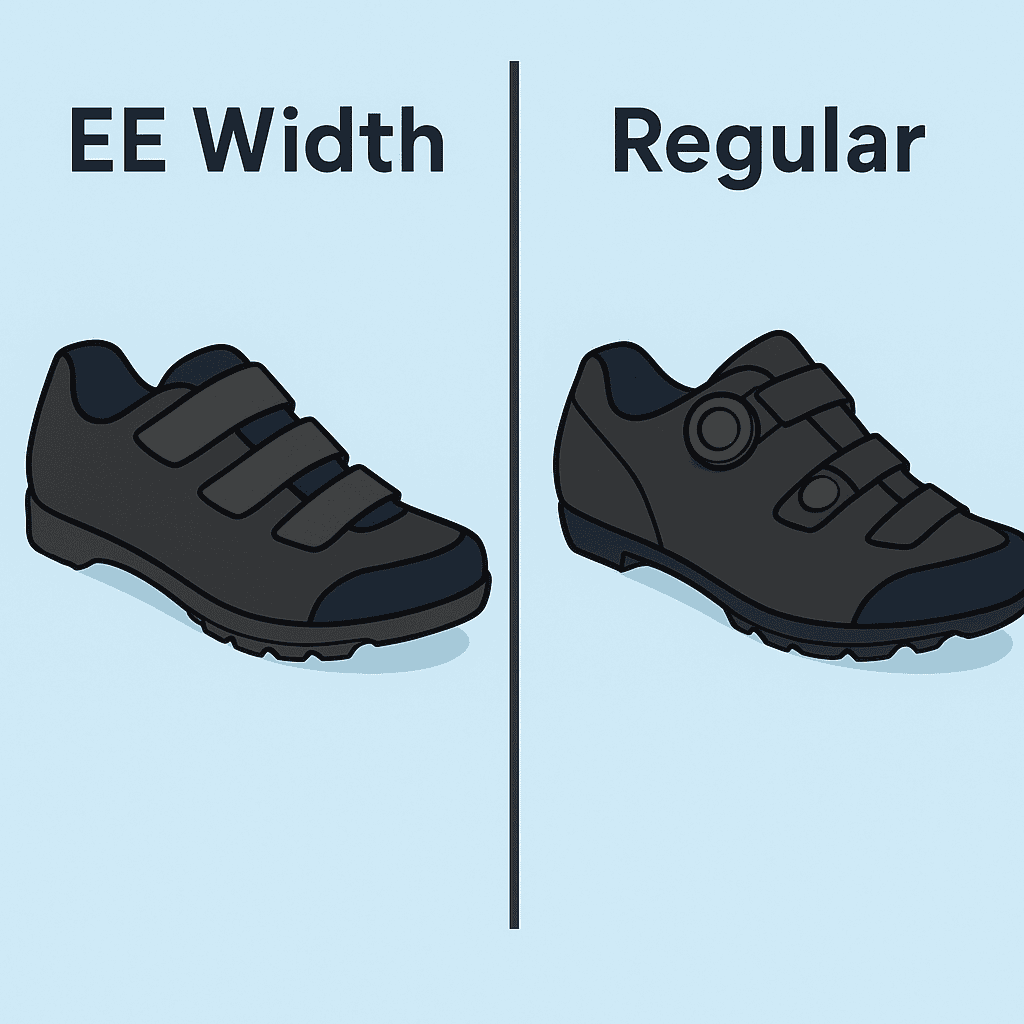
Many people assume certain brands “run big,” but I’ve been burned by that assumption. Unless the width is designed into the last, it’s probably not going to cut it.
Closures That Work With You
The closure system is another big deal. Boa dials are fine, but only when the shoe lets you adjust multiple zones separately. Otherwise, you tighten one section and crush another. I’ve found that hybrid systems, like laces with a Velcro strap at the top, let me keep the forefoot looser and the ankle snug. That balance keeps me locked in without strangling my toes.
Toe Box Shape and Materials
The shape of the toe box matters just as much. Shoes designed with a rounded or squared-off front let your toes splay naturally.
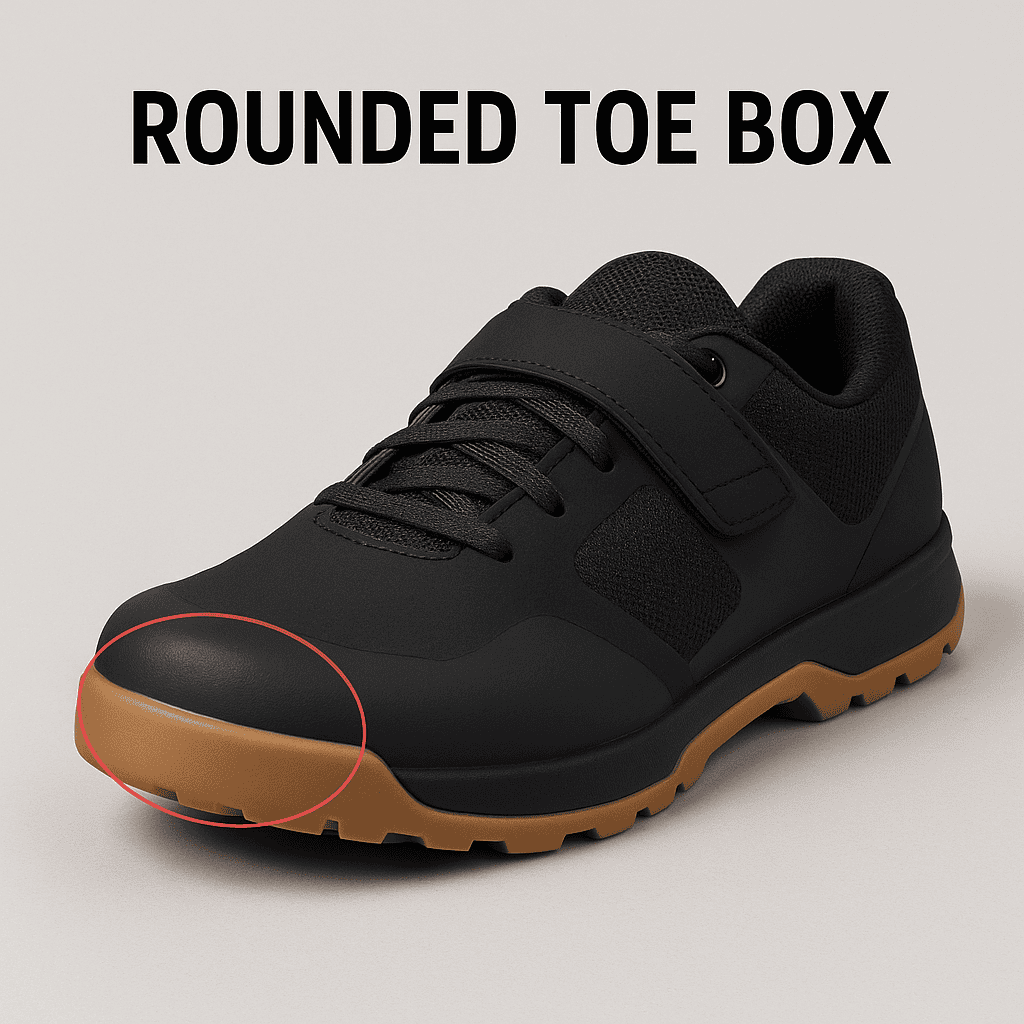
It’s amazing how much smoother climbing feels when your foot can actually expand with each pedal stroke. Materials also make a difference.
Rigid synthetics don’t give you any forgiveness, while mesh or flexible uppers can adapt over time. I learned the hard way by riding in stiff “race shoes” on a summer day.
My feet swelled in the heat, and I ended up unstrapping them mid-ride just to finish.
Measuring Your Feet Correctly
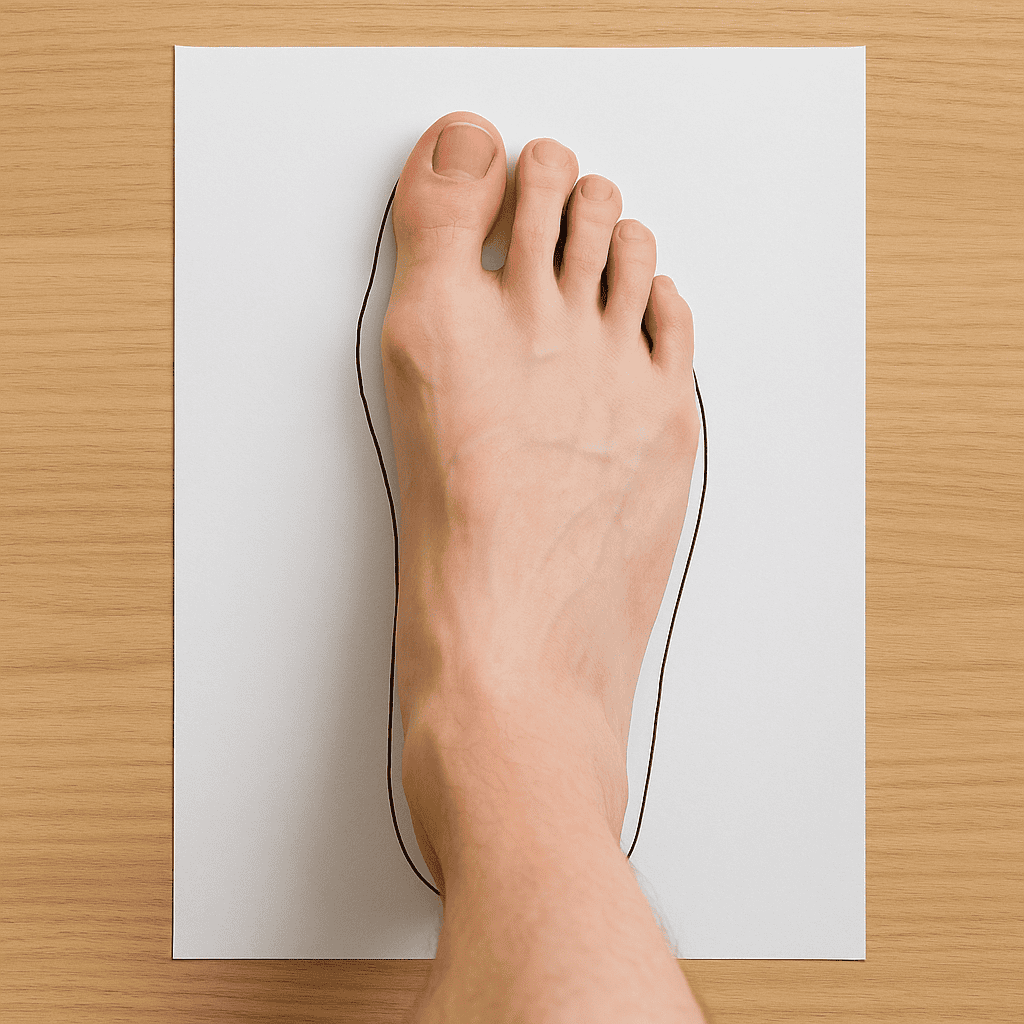
And here’s a tip I wish I had known sooner: measure your feet at the end of the day. That’s when they’re at their largest. Trace them on paper, measure both length and width, and use the bigger foot as your reference.
It sounds obsessive, but once I started doing it, my hit rate for comfortable shoes went way up. Think about when you go to the shoe store, take off your shoes, do the same thing yourself.
Stretching and Break-In Tips for a Roomier Fit
Shoe Stretchers
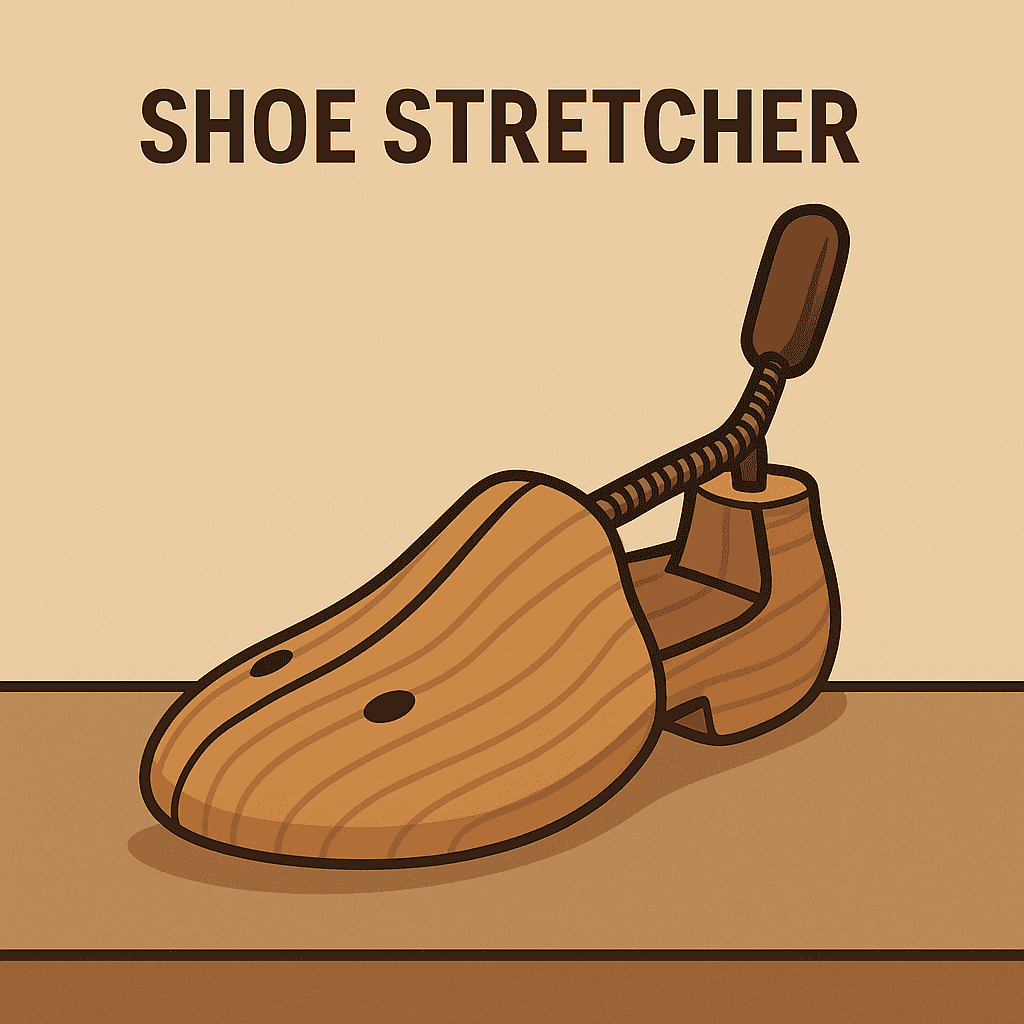
Even the best wide shoes sometimes need a little coaxing. One of my favorite tricks is a wooden shoe stretcher. Pop it into the forefoot, crank it gently, and leave it overnight. After a couple of days, you can gain two or three millimeters, which is often all you need. Somewhere you can buy it is on Etsy, trust me.
Breaking Them In Slowly
Breaking shoes in naturally works too. Start with shorter rides and give the materials time to adjust. I once pushed a brand-new pair on a thirty-mile trail and ended up with blisters the size of quarters. Since then, I take it slow and let the shoe adapt.
Insoles and Socks
Don’t forget insoles and socks. A thinner insole can add valuable space, and switching to lightweight socks in summer helps when swelling kicks in. Sometimes it’s not about the shoe itself, but the little adjustments inside.
Conclusion: Wide Feet Deserve Wide Solutions
Recap of the Essentials
For too long, I thought sore feet were just part of riding. But after trial, error, and a lot of frustration, I learned that wide feet aren’t a curse—they just need the right gear. When you find a shoe that truly fits, everything changes. Climbing feels smoother, descending feels more controlled, and you stop thinking about your feet altogether.
Comfort Equals Performance
The essentials are simple. Go for true wide options. Prioritize roomy toe boxes, flexible uppers, and closure systems that let you adjust without crushing. Measure your feet carefully and test like you ride. And if the fit still isn’t quite right, stretch and break them in until they feel natural.
Final Thoughts
Once you experience the difference, you’ll never go back. Comfort isn’t just about feeling good—it’s about unlocking performance. With the right wide-fit MTB shoes, you can ride harder, longer, and actually enjoy every pedal stroke.