Hardtail Mountain Bike Pros & Cons: Is It Right for You?
Introduction
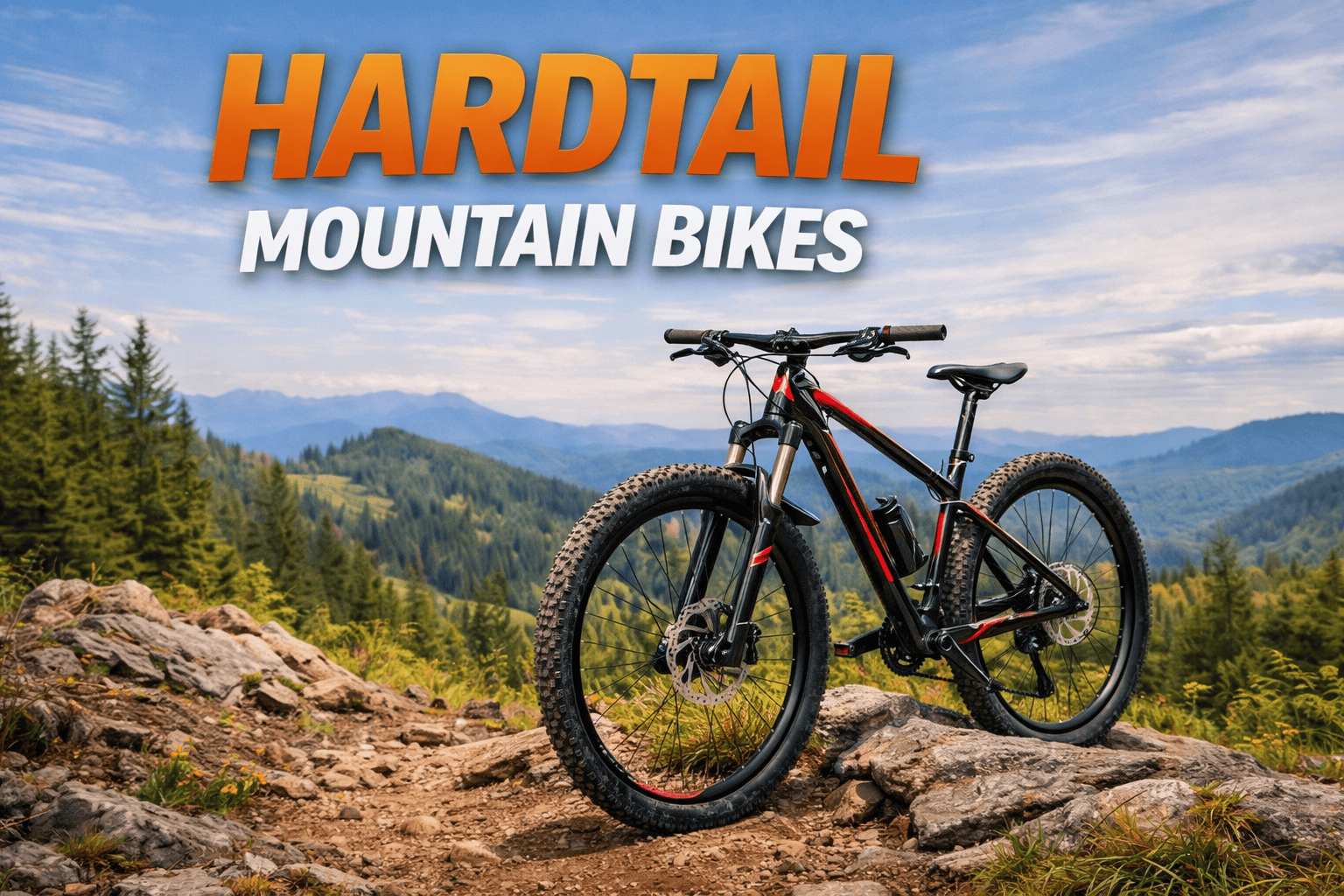
Hardtail mountain bikes are simple, capable, and efficient machines defined by a suspension fork up front and a rigid rear end. I’ve found that with over seven years of riding and testing mountain bikes, hardtails remain my go-to choice for trail riding. They’re efficient, predictable, and make every trail feel more engaging.
This guide is for beginners, returning riders, and anyone considering hardtail vs full-suspension. It also suits commuters, bikepackers, and riders on mixed surfaces who want maximum value per dollar. If you want clearer control, lower maintenance, and a bike that builds skills fast, read on.
Key Takeaways
○ Hardtails offer strong value, lower maintenance, and a more direct riding feel than full-suspension bikes.
○ Understanding terrain, setup, and riding style helps determine if a hardtail is the right choice.
Hardtail vs Full-Suspension: Core Differences
The defining difference between a hardtail and a full-suspension mountain bike is the rear suspension—or lack of it. Hardtails use a rigid rear triangle paired with a front suspension fork, which creates a simpler frame design with fewer moving parts. This simplicity translates into lower weight, more efficient power transfer, and reduced maintenance over time. When you pedal a hardtail, your effort goes almost directly into forward motion, which is why they often feel fast and responsive on climbs and rolling terrain.
Full-suspension bikes, on the other hand, add a rear shock and linkage system that isolates the rear wheel from trail impacts. This allows the bike to maintain traction over rocks, roots, and braking bumps, especially at higher speeds. The trade-off is increased complexity, weight, and cost. More pivots mean more bearings to service, and rear shocks require regular maintenance to perform properly. For riders who regularly tackle rough descents or bike park terrain, these compromises are often worth it.
Ride feel is another major separator. Hardtails provide direct feedback from the trail, which rewards clean line choice and active riding. You feel exactly what the rear tire is doing beneath you. Full-suspension bikes mute much of that feedback, offering a smoother, more forgiving ride that reduces fatigue on long, rough descents. Neither approach is inherently better—it depends on what kind of terrain you ride and what you value most in a bike.
Cost is also a major factor. At the same price point, a hardtail typically offers higher-quality components than a full-suspension bike. Riders choosing between the two should weigh terrain, budget, and riding goals rather than assuming one is universally superior.
Where Hardtails Perform Best
Hardtails excel in environments where efficiency, momentum, and precise handling matter more than impact absorption. Smooth singletrack, flow trails, and rolling terrain are where hardtails truly shine. Without rear suspension absorbing pedaling forces, they feel quick and energetic when accelerating out of corners or climbing punchy sections. This makes them especially appealing to riders who enjoy pedaling-focused rides rather than gravity-fed descents.
Climbing is one of the hardtail’s strongest suits. The rigid rear end keeps the bike from bobbing under power, allowing riders to maintain traction through careful body positioning and steady cadence. On technical climbs, the lighter weight and direct response can make cleaning difficult lines more achievable—provided the rider chooses smart lines and manages traction effectively.
Hardtails also perform well in mixed-surface conditions. Gravel connectors, doubletrack, and pavement transitions feel more efficient on a hardtail than on a heavier full-suspension bike. This versatility makes them popular for riders who mix trail riding with commuting, fitness riding, or bikepacking. Fewer moving parts also mean they handle mud, grit, and frequent washdowns better during winter or wet-season riding.
While hardtails can absolutely be ridden on rough trails, their strengths are most apparent where smoothness, speed, and control are prioritized over outright comfort. Riders who value an engaging, connected feel to the trail often find hardtails more rewarding over long-term ownership, especially on trails that emphasize flow and pedaling efficiency.
Hardtail Frame, Fork, and Wheel Choices
Hardtail frames come in a range of materials, each offering distinct ride characteristics. Aluminum is the most common, balancing affordability, durability, and stiffness. Steel frames provide a smoother, more compliant ride feel and are often favored for long days or bikepacking, while carbon frames prioritize low weight and efficient power transfer. Titanium blends durability and comfort but sits at a premium price point.
Front suspension fork choice plays a critical role in how a hardtail handles. Most hardtails run between 100 and 140 mm of travel. Shorter travel forks favor XC-style efficiency and sharper steering, while longer travel forks add confidence on descents and rougher trails. Matching fork travel to the frame’s intended geometry is crucial—over-forking a hardtail can negatively affect handling and climbing posture.
Wheel size further influences ride feel. 27.5-inch wheels feel more playful and maneuverable, especially on tight trails or for riders who enjoy jumping and quick direction changes. 29-inch wheels roll more smoothly over obstacles, maintain momentum better, and tend to feel more stable at speed. Many modern hardtails are designed around 29-inch wheels due to their efficiency and versatility, though personal preference still matters.
The combination of frame material, fork travel, and wheel size determines whether a hardtail feels like a race-oriented machine, a trail-ready all-rounder, or a rugged adventure bike. Choosing components that align with your riding style and terrain is more important than chasing trends.
Drivetrain, Brakes, and Tires
Most modern hardtails use 1x drivetrains, which simplify shifting while reducing weight and maintenance. Wide-range cassettes paired with a single front chainring provide enough gearing for steep climbs and fast flats without the complexity of a front derailleur. Reliable chain retention and smooth shifting are especially important on hardtails, where trail feedback can be more pronounced.
Braking performance is equally critical. Hydraulic disc brakes are standard on most hardtails, offering consistent power and modulation in all weather conditions. Lighter two-piston brakes work well for XC and light trail use, while riders tackling steeper or longer descents may benefit from four-piston calipers and larger rotors for improved heat management and stopping power.
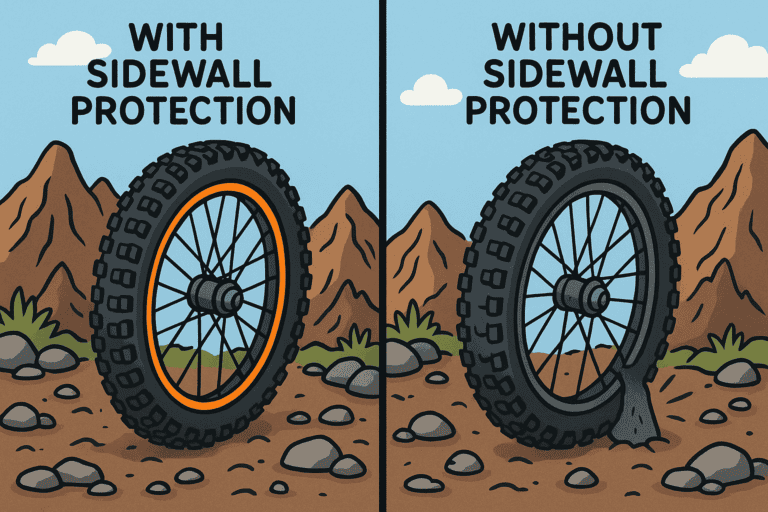
Tires play an outsized role in hardtail comfort and traction. Wider tires—typically between 2.2 and 2.6 inches—help compensate for the lack of rear suspension by providing additional cushioning and grip. Tread choice should match terrain, balancing rolling speed with cornering confidence. Tubeless setups are highly recommended, as they allow lower pressures without pinch flats and improve both traction and ride quality.
Together, drivetrain, brakes, and tires define how confident and capable a hardtail feels on the trail. Smart component choices can dramatically improve comfort, control, and overall enjoyment without adding unnecessary complexity.
Advantages and Trade-Offs of Riding a Hardtail
One of the biggest advantages of a hardtail is efficiency. With no rear suspension absorbing energy, every pedal stroke feels purposeful. This efficiency makes hardtails ideal for riders who enjoy climbing, fitness-focused rides, or long days in the saddle. They are also lighter than comparable full-suspension bikes, which contributes to their responsive handling.
Simplicity is another major benefit. Fewer moving parts mean less maintenance, fewer potential failures, and lower long-term ownership costs. Hardtails are easier to clean, easier to service, and often more durable in harsh conditions. This makes them appealing to riders who value reliability and minimal downtime.
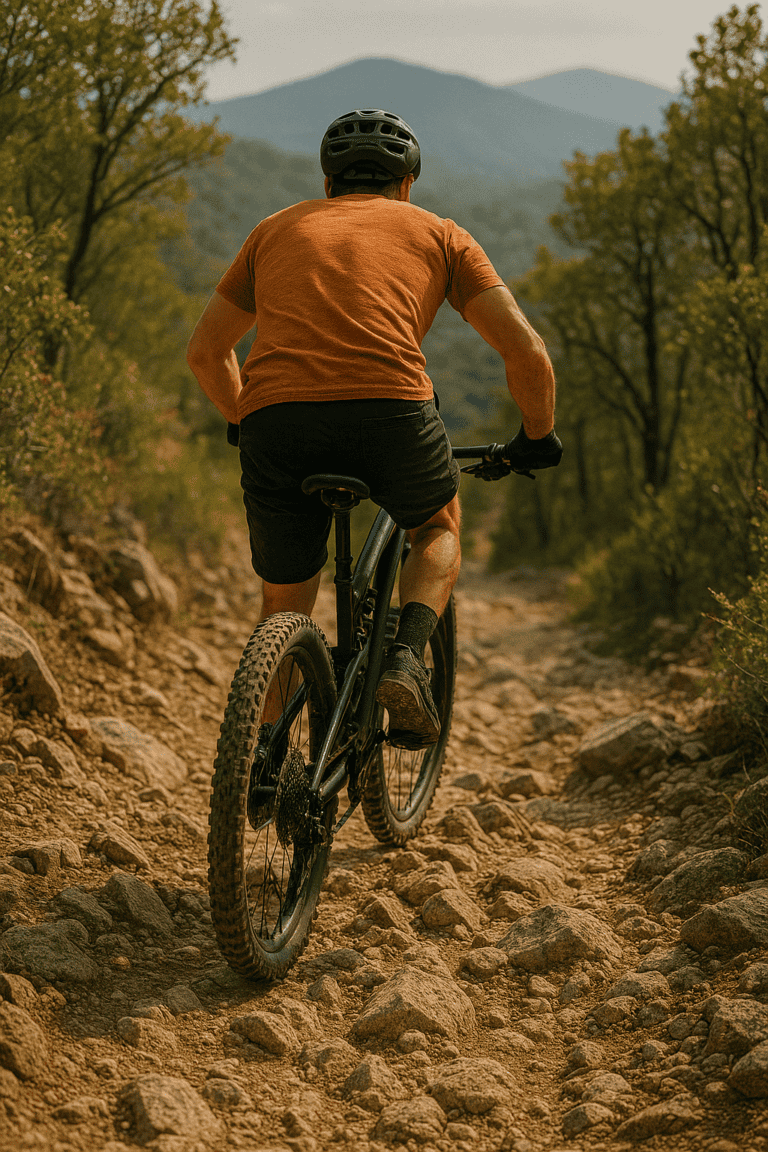
The trade-offs center around comfort and traction on rough terrain. Without rear suspension, hardtails transmit more vibration and impact to the rider, particularly on rocky or root-filled trails. This can lead to increased fatigue on long, rough descents. Maintaining traction requires careful line choice, proper tire pressure, and active riding technique.
For many riders, these trade-offs are acceptable—or even desirable. The feedback and challenge of riding a hardtail can make trails feel more engaging and rewarding, especially for those focused on skill development rather than pure speed.
Hardtails are an excellent choice for beginners because they offer strong value and encourage skill development. New riders learn proper body position, braking, and line choice without relying on rear suspension to mask mistakes. At lower budgets, a hardtail often provides better components than an equivalently priced full-suspension bike.
Experienced riders also benefit from hardtails, particularly those who enjoy efficient riding or want a reliable second bike. XC racers, trail riders, commuters, and bikepackers all find value in the platform. Hardtails scale well with rider ability, continuing to reward improved technique and fitness over time.
Riders who prioritize simplicity, versatility, and low maintenance are often happiest on a hardtail. While they may not be the best tool for every trail or riding style, hardtails remain one of the most practical and rewarding mountain bikes available.
Setup and Tuning Essentials
Proper setup is critical to getting the most out of a hardtail. Fork sag should typically fall between 20 and 30 percent of total travel, providing a balance between support and comfort. Rebound should be adjusted so the fork returns quickly without feeling uncontrolled over repeated hits.
Tire pressure plays a major role in comfort and traction. Running pressures low enough to maximize grip without risking rim strikes is especially important on a hardtail. Rider weight, tire casing, and terrain all influence optimal pressure, and small adjustments can make a noticeable difference.
Cockpit setup also affects control and fatigue. Bar width, stem length, and lever positioning should support a neutral riding position with relaxed shoulders and wrists. Dialing in these details improves confidence and reduces strain on longer rides.
Final Thoughts: Is a Hardtail Right for You?
A hardtail mountain bike remains one of the most versatile and rewarding options in cycling. It offers efficiency, durability, and strong value while encouraging riders to develop better skills and trail awareness. Modern geometry and components have expanded what hardtails are capable of, making them suitable for more terrain than ever before.
If you value simplicity, enjoy pedaling-focused rides, and want a bike that rewards precision and technique, a hardtail is a smart choice. While it may not provide the plush comfort of a full-suspension bike, it delivers a direct, engaging riding experience that many riders never outgrow.