Best Mountain Bikes for Beginners 2026: Top Picks & Buying Guide
Best Mountain Bikes for Beginners (2025)
Most beginners don’t quit mountain biking because trails are too hard they quit because they bought the wrong bike. I’ve seen it happen over and over. Bad fit, weak brakes, or a bike that feels sketchy on descents kills confidence fast.
This page exists to stop that. Below are the best mountain bikes for beginners in 2025, broken down by mountain bike types explained, how mountain bike frame bags can be implemented and clear buying recommendations.
Best Budget Beginner Mountain Bikes (Under $800)
If you’re starting on a tighter budget, the goal isn’t perfection it’s getting a bike that won’t fight you. Early on, I made the mistake of buying the cheapest thing available and then wondering why it felt harsh and unpredictable. The frame was fine, but the brakes and fork held everything back.
A good budget beginner bike should still have an aluminum frame, reliable disc brakes, and geometry that doesn’t feel twitchy on trails. Weight won’t be amazing, but durability matters more here.
Best Overall
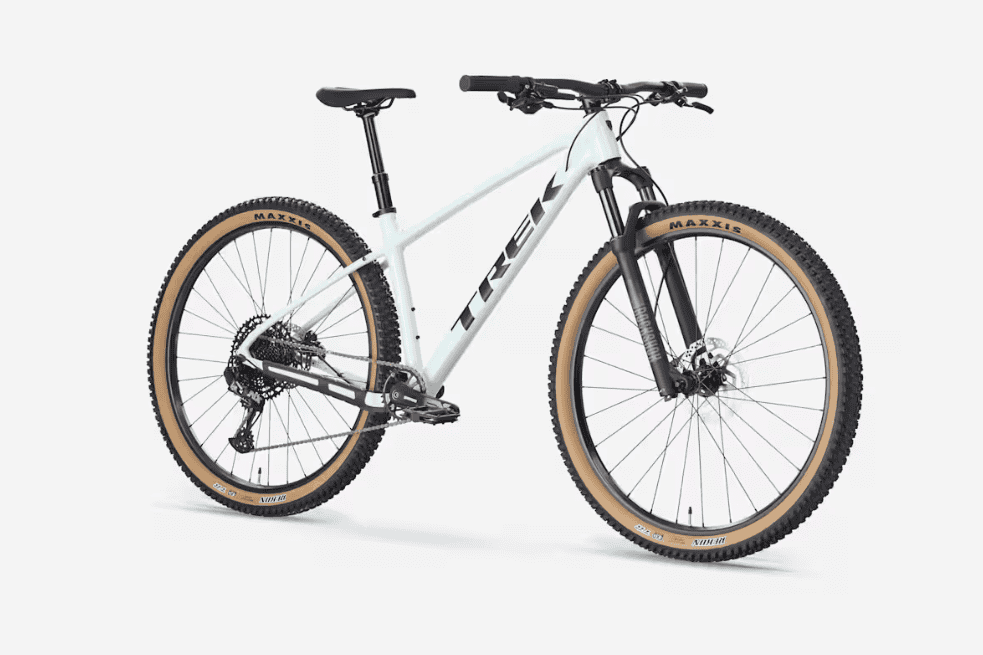
- Trek Marlin 5 / 6
✅ Pros
✔ Great Entry-Level Value
The Marlin series offers performance and components that punch above its price, making it ideal for beginners who want a bike they can grow into.
✔ Comfortable Geometry for Learning
The relaxed ride position makes it easier for new riders to stay balanced and confident on both flats and easy trails.
❌ Cons
✘ Entry-Level Components
Because it’s a beginner/value bike, the fork, drivetrain, and brakes aren’t as refined as higher-end models — meaning upgrades may come sooner if you ride a lot.
✘ Heavier Than Higher-Tier Bikes
The aluminum frame and basic components add weight. It doesn’t feel as snappy on climbs as bikes in higher price brackets.
Best Beginner Mountain Bikes for Trail Riding
Trail riding is where beginners usually get overwhelmed speed picks up, terrain gets rougher, and mistakes feel bigger. I’ve found that a slightly more trail-focused bike makes learning way less stressful. You’re not constantly bracing for impact.
Look for bikes with 120–140 mm fork travel, wider tires, and relaxed geometry. These features don’t make you reckless they make the bike calmer when things get sketchy.
Best Trail Bike

- Marin Bobcat Trail
✅ Pros - Great entry-level value
- Stable, confidence-boosting geometry
- Hydraulic disc brakes (most builds)
- Versatile for fitness + trail riding
- Good upgrade potential
- ❌ Cons
- Entry-level fork and components
- Heavier than higher-tier hardtails
- Stock tires are average
- Not built for aggressive trails
Top Trail Picks
- Trek Roscoe
- Specialized Fuse
- Marin San Quentin
- Canyon Stoic
- Polygon Siskiu (entry FS)
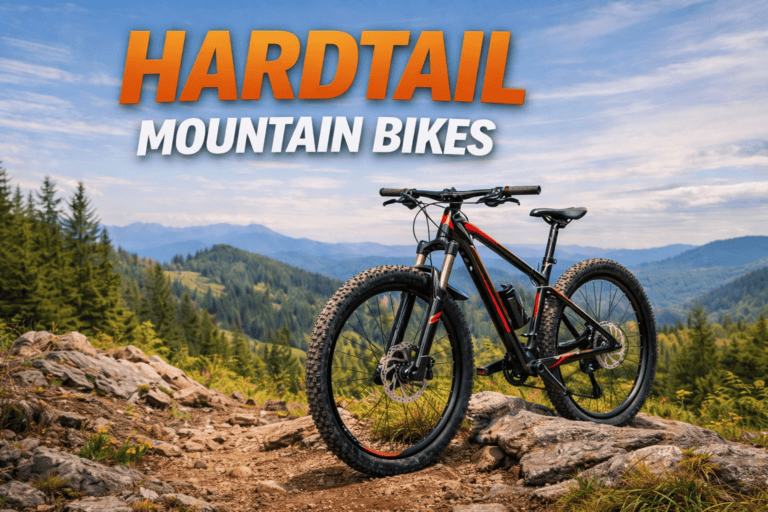
Hardtail vs Full-Suspension (Quick Buyer Verdict)
I started on a full-suspension thinking it would save me. It didn’t it just hid my mistakes. When I switched back to a hardtail later, my riding improved faster because I could actually feel what the bike was doing.
For most beginners, a hardtail is the better starting point. It’s lighter, cheaper, easier to maintain, and builds skill faster. Full-suspension only makes sense if your trails are consistently rough or comfort is a priority.
What Matters Most When Buying (Keep This Simple)
Fit beats everything, and it’s the fastest way to tell if a bike will actually be enjoyable long term. A perfectly specced bike that doesn’t fit will feel awkward, unstable, and tiring, no matter how good the components look on paper. Always start with the brand’s size chart, and if you can, test ride two nearby sizes to feel the difference. Don’t size up just because someone online says “bigger is more stable,” the right size should feel natural the moment you stand up and ride.
Brakes matter more than gears, especially when you’re still building confidence on trails. I’d take simple, reliable shifting paired with strong hydraulic disc brakes over a fancy drivetrain any day of the week. Good brakes let you control speed, stay relaxed, and commit to lines without panic, grabbing the levers. Confidence comes from knowing you can slow down or stop exactly when you need to, not from having extra gears you barely use.
Beginner Setup (Do This Immediately)
Tire pressure changed my riding more than any upgrade I’ve ever made. Running slightly lower pressure improved grip, comfort, and control instantly. Start with certain mtb tire inserts, 22–28 psi tubeless or 28–35 psi with tubes, then adjust.
Flat pedals are also your friend early on. They teach balance, body position, and let you bail safely when things go wrong. Clipless can wait.
Common Beginner Mistakes
Buying too many bikes is just as bad as buying too few. Big suspension numbers don’t replace skill, and cheap brakes don’t build confidence. I’ve seen more progress from riders on dialed hardtails than overpriced enduro rigs.
Ignore marketing. Focus on fit, brakes, tires, and geometry. Everything else comes later.
Final Verdict
The best beginner mountain bike is one that:
- Fits your body
- Has hydraulic disc brakes
- Matches your local trails
- Leaves room to grow
Start smart. Ride more. Upgrade when it actually matters. Once you implement these, you can figure out the 17 essential mtb tools for every single trail.