Mountain Bike Types Explained: How to Choose the Right MTB
Choosing a mountain bike sounds simple until you actually try to do it.
From what I understand, bikes can just look like numbers, like wheel size, suspension travel, and small inch differences that fit together, but on the trail, those numbers translate into very different experiences. I’ve ridden bikes that looked perfect on a spec sheet and felt completely wrong within the first mile, and others that didn’t look special at all but instantly made riding easier, smoother, and more fun. You’ll find overtime that a mountain bike training plan is important to improve your handling.
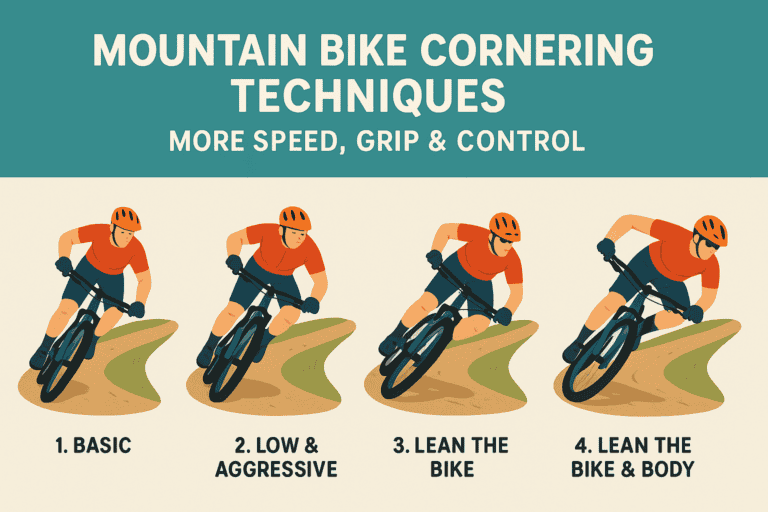
The problem isn’t that there are too many mountain bikes. It’s that most buying advice skips over how bikes actually get used. Local trails versus bike parks. Short rides versus long days. Comfort versus speed. New riders often end up overbiking, underbiking, or spending money in the wrong places and that leads to frustration fast. This guide is built to prevent that, plus improving some mountain biking techniques along the way with choosing the right bike.
Below, I break down the key decisions that actually matter when choosing a mountain bike, along the way, I’ll point out the most common mistakes riders make and how to avoid them, so you can narrow your options confidently and end up with a bike that fits all the different ways you ride plus understand how to use the bike types knowing their strengths and weaknesses.
What Is Mountain Biking? Disciplines and Riding Styles
Mountain biking includes several disciplines, each designed for specific terrain and riding priorities. Cross-country (XC) focuses on efficiency and climbing on smoother trails, while trail riding emphasizes versatility across varied singletrack.
Enduro targets steep, rough descents paired with untimed climbs, and downhill (DH) prioritizes maximum speed and stability on lift-accessed terrain. Dirt jump and slopestyle riding focus on jumps and tricks, fat biking excels on snow and sand, and electric mountain biking adds pedal assist to extend range and flatten climbs.
The right category depends on where you ride most and your current skill level—not where you plan to ride someday.
Main Types of Mountain Bikes (Features, Use-Cases, Pros/Cons)
Mountain bikes are designed around specific terrain and riding priorities. Choosing the right category matters more than brand or components. On a trail you’ll find these bikes:
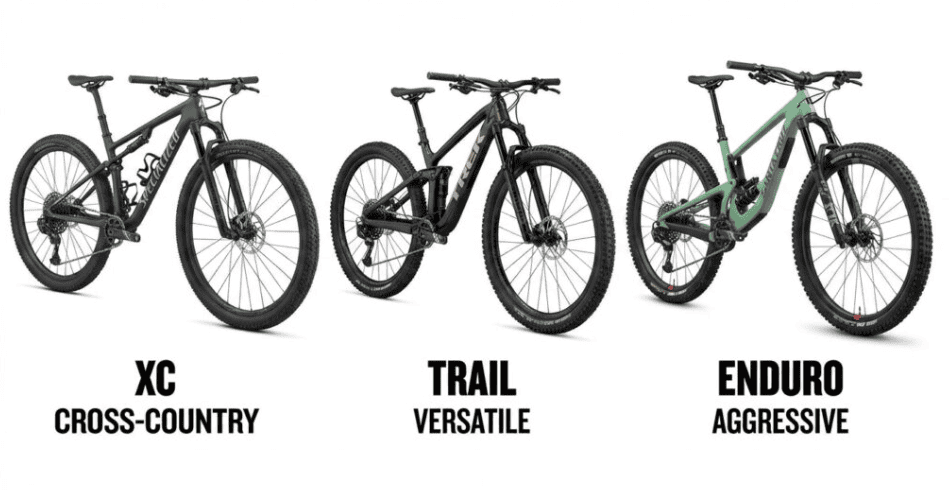
- Cross-country (XC) bikes focusing on being lightweight and fast, but feel less confident on rough descents.
- Trail bikes are the most versatile option for most riders. They strike a balance between climbing efficiency and confident descending, handling a wide range of terrain without feeling overbuilt.
- Enduro bikes focus on aggressive descending while maintaining the capability to climb. They excel on steep, technical trails but can feel heavy on mellow terrain.
- Downhill (DH) bikes are built for bike parks and shuttle runs. They offer maximum stability and suspension but are impractical for everyday trail riding.
- Dirt jump and slopestyle bikes are compact, durable, and built for jumps, pump tracks, and tricks rather than pedaling efficiency.
- Fat bikes use oversized tires for traction and flotation on snow, sand, and loose surfaces, extending riding into conditions where other bikes struggle.
- Electric mountain bikes (e-MTBs) add pedal assist to help with climbs and longer rides. They allow more laps and make steep terrain more accessible, though weight and trail access rules should be considered.
The best bike is the one that matches the terrain you ride most often not the most aggressive option available.
Key Decisions When Choosing a Mountain Bike
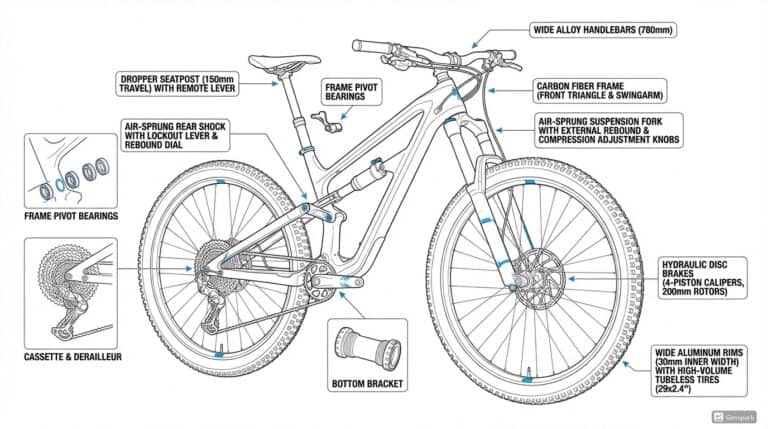
As an avid mountain biker I find when shopping for value, Hardtails cost less, weigh less, and teach good line choice and body position, making them ideal for smoother trails and newer riders. However my preferred ride is full-suspension bikes since they provide more comfort and traction on rough terrain, improving control and reducing fatigue.
Wheel size affects ride feel more than most riders expect. 29-inch wheels roll faster and feel more stable, while 27.5-inch wheels feel more playful and easier to maneuver. Mullet setups combine a 29-inch front wheel with a 27.5-inch rear for a balance of rollover and agility. Suspension travel should match your terrain and riding speed. Shorter travel (100–130 mm) suits smoother trails, mid-travel (130–150 mm) works best for most riders, and longer travel (150–180+ mm) is reserved for steep, rough terrain. More travel adds weight and can feel sluggish on mellow trails.
Geometry influences handling and confidence. Slacker head angles improve stability at speed, while reach affects how balanced and controlled the bike feels. Chainstay length impacts climbing traction and agility. Proper fit improves comfort, control, and confidence. Compare reach and stack across brands, then fine-tune cockpit setup with stem length, bar width, and saddle position.
Budget matters. Entry-level bikes focus on reliability, mid-range bikes offer the best performance-to-price ratio, and premium bikes provide diminishing returns for most riders. Used bikes can be a great value if inspected carefully, especially for suspension service history and pivot wear.
Test rides are critical. Ride on familiar terrain, try multiple sizes if needed, and focus on handling, fit, and suspension support rather than specs alone.
Setup and Upgrades for Your MTB
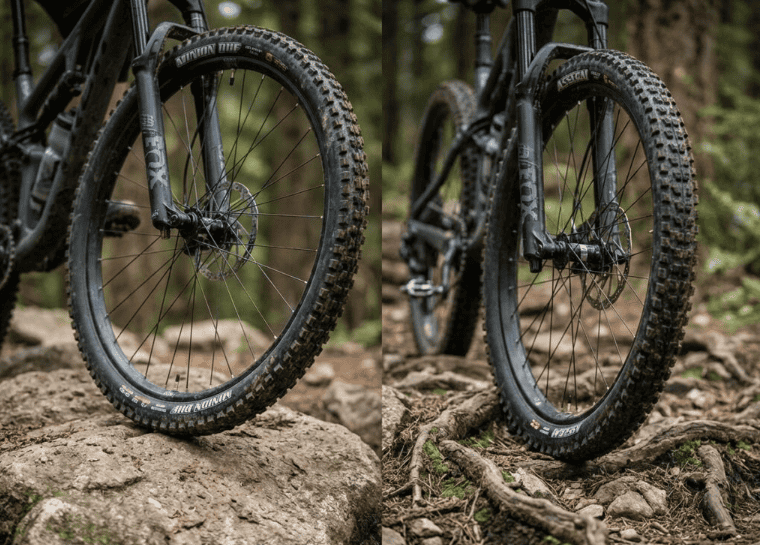
Tire choice and pressure have a huge impact on ride quality. Choose tread and casing based on terrain and conditions, and run tubeless to improve grip and reduce flats. Set pressures by rider weight, rim width, and casing strength.
Suspension setup should start with sag, followed by rebound and compression adjustments. Fine-tune on the trail to balance support, traction, and comfort.
Contact points like the saddle, grips, and pedals affect comfort and control. Flats build skills and confidence, while clipless pedals improve efficiency once technique is solid.
Carry essential tools and wear appropriate protection. A quality helmet, gloves, and knee pads significantly improve safety and confidence on trail.
Where to Ride and Trail Etiquette
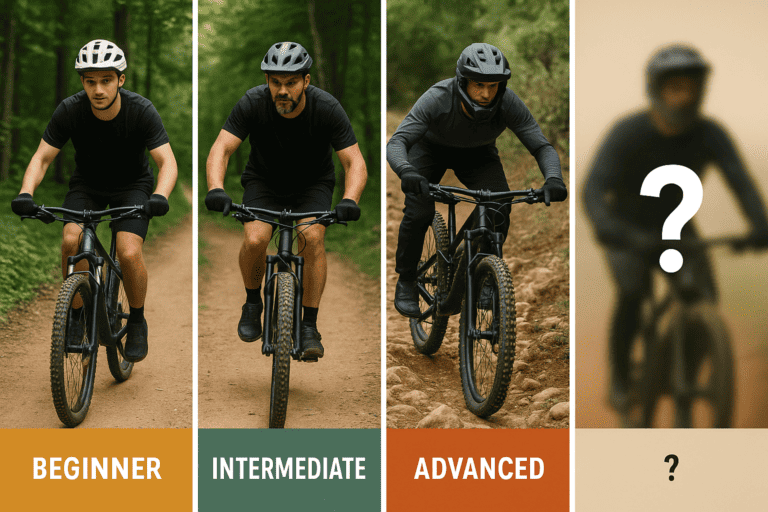
Trail difficulty ratings help match routes to skill level. Start with easier trails and progress gradually. Use trail maps and apps to find open routes and current conditions.
Yield appropriately, slow down around blind corners, respect closures, and avoid riding muddy trails to protect trail surfaces.
Wear appropriate safety gear and stay hydrated to support performance and recovery.
Common Mistakes to Avoid
Overbiking or underbiking for your local terrain leads to frustration. Match bike capability to the hardest trails you ride regularly, not rare trips.
Ignoring fit and geometry results in poor handling and fatigue. Prioritize reach, stack, and cockpit setup.
Skimping on tires and brakes compromises control and safety. Spend here before chasing weight savings elsewhere.
Neglecting maintenance leads to costly failures. Clean, inspect, and service your bike regularly to keep performance consistent.
FAQs (People Also Ask)
What are the main types of mountain bikes?
The main types are cross-country (XC), trail, all-mountain/enduro, downhill (DH), dirt jump/slopestyle, fat bikes, and electric mountain bikes (e-MTB). Each category optimizes geometry, suspension travel, and components for specific terrain and speeds. Understanding your terrain and goals helps narrow the right category quickly.
Which mountain bike is best for beginners?
A trail hardtail or short- to mid-travel trail full-suspension is ideal for most beginners. These bikes balance efficiency, comfort, and confidence across a wide range of local trails. Start with reliable components, quality tires, and a dropper post to build skills smoothly.
Hardtail vs full-suspension: which should I choose?
Choose a hardtail if you ride smoother trails, want lower cost and maintenance, or prefer a lively, efficient feel. Choose full-suspension if your trails are rougher, you value traction and comfort, and you want more forgiveness as you progress. Both can be excellent; terrain and budget are the deciding factors.
27.5 vs 29-inch wheels: what’s better?
29-inch wheels are faster over rough ground and hold momentum, making them great for XC and general trail riding. 27.5-inch wheels feel more nimble and playful, which can be better for jumpy terrain or tight corners. Many enduro and DH bikes use mullet setups to blend rollover and agility.
How much suspension travel do I need?
Match travel to trail difficulty and riding speed. XC and light trail riders often prefer 100–130 mm, all-round trail riders favor 130–150 mm, and aggressive enduro riders choose 150–180 mm or more. Pick the least travel that keeps you confident and in control on your hardest regular trails.
Can I use a mountain bike for commuting or road rides?
Yes, but tire selection and gearing matter for efficient pavement miles. Swap to faster-rolling tires and consider locking out suspension to reduce energy loss. A mountain bike adds comfort and durability for mixed surfaces and urban obstacles.
Are e-MTBs allowed on my local trails?
Access varies by region, land manager, and trail designation. Class 1 e-MTBs are most commonly permitted where any e-assist is allowed, while Class 2 and 3 face more restrictions. Always check official maps and local rules before riding.
Recommended Next Steps
Measure your size, compare geometry charts, and create a short list of bikes that fit your terrain and budget. Plan demo rides on familiar trails and take notes on handling, comfort, and confidence.
Maintain your bike consistently with regular cleaning, lubrication, and suspension service to protect your investment and keep performance high.