How to Choose a Mountain Bike in 2026 (Avoid the 11 Big Mistakes)
Buying your first (or next) mountain bike can feel overwhelming.
Geometry numbers, wheel sizes, mtb suspension tuning… I can list up to 14, as you see in the title. I’ve been there: standing in a shop wondering why two bikes that look identical ride completely differently and it’s hard to know how practical they are until you’re on a trail.
And this is exactly what I thought too:
- Having trouble matching the bike to the terrain and if it’s the right type of bike
- Will I be able to ride this bike long-term matching my body and how big I am or small?
- How long will I be able to ride this before I either get tired, or have issues with maintanence.
I get it, when first mountain biking I was looking at renting bikes, buying mtb tools, somehow using things like mtb tire inserts trying them out in different countries and areas without knowing where to start even almost buying second hand a cheap one on Facebook.
In this guide, I’ll break down exactly how to choose a mountain bike in 11 different ways, so you don’t waste money or end up fighting your bike on every ride.
1: Define Your Riding Style and Terrain
This is the part most people rush through, and honestly, I get it. When I first started looking at mountain bikes, I skipped right past riding style and went straight to whatever looked the toughest. Big suspension, aggressive tires, all of it. Looked great leaning against the wall. On the trail, though, it felt wrong almost immediately.
Cross-country riding is about efficiency, climbing, and endurance. When I rode an XC hardtail early on, it flew uphill. Smooth power delivery, no wasted energy. But once rocks and roots showed up, every mistake came straight through the bike. If your trails are smooth and you like long rides, XC bikes make sense. If not, they can feel brutal.
Trail riding is where most riders land, and for good reason. Trail bikes balance climbing and descending really well. The first time I rode a true trail bike, it felt like someone turned the difficulty down a notch. Enough suspension to stay comfortable, but still efficient enough to pedal all day. If your rides include a mix of terrain, trail bikes just work.
Enduro bikes prioritize aggressive descending while still being able to pedal back up. I borrowed one on steep, rough terrain and loved it downhill. Uphill was slower and heavier, but manageable. If your terrain is steep and fast, enduro bikes shine. If not, they can feel like overkill.
Downhill bikes are built for lift-accessed riding. They’re incredible in bike parks and absolutely miserable anywhere else. This is where bike parks versus local singletrack matters. Buy for where you ride most, not where you wish you rode.
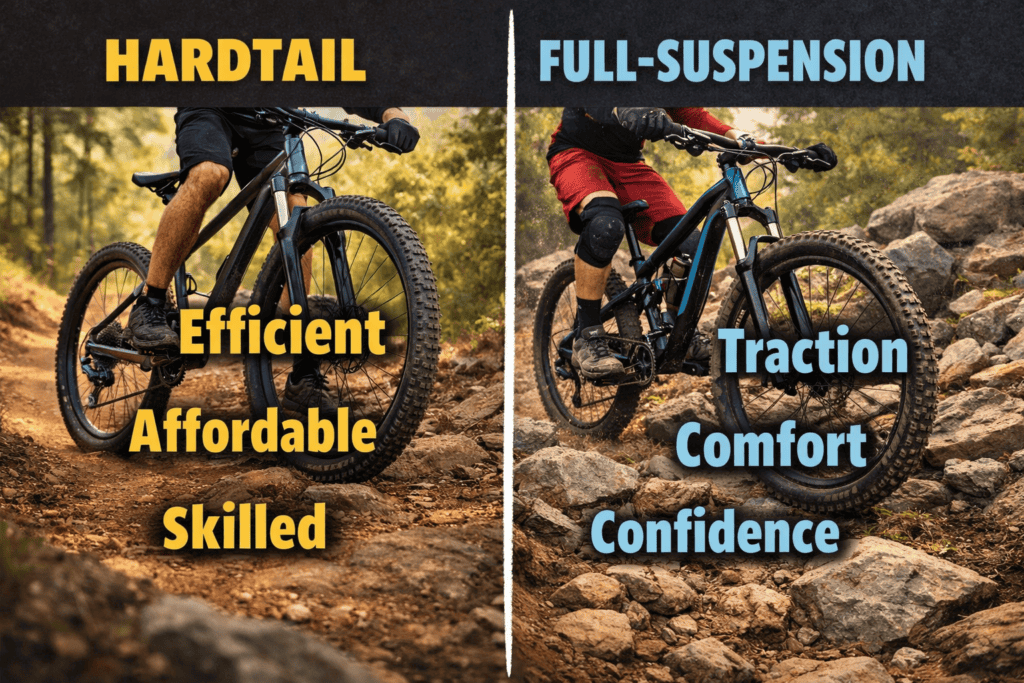
2: Hardtail vs Full-Suspension
This decision caused me more stress than it should have. My first real mountain bike was a hardtail, and it taught me a lot. You learn line choice fast because the bike gives you instant feedback. Climbs feel efficient, simple, and direct.
But rough trails get exhausting on a hardtail. Long rides left me beat up. When I moved to full-suspension, traction and comfort improved immediately. I could ride longer and recover faster, which meant more riding overall.
Full-suspension bikes cost more and require more maintenance. Rear shocks and bearings need attention. Ignore that, and performance drops fast. I learned that lesson late.
A common mistake is choosing a low-quality full-suspension bike over a solid hardtail with good components. Suspension quality matters more than having rear suspension at all. Choose honestly based on terrain and budget.
Key Benefits of One Versus the Other
3: Wheel Size Explained (27.5 vs 29 vs Mullet)
Wheel size changes how a bike feels more than people expect. I assumed 29ers were automatically better until I rode 27.5 wheels on tight trails. They felt quick and lively, especially through corners.
29-inch wheels roll better and carry speed through rough terrain. They climb well and feel stable, especially for taller riders. The tradeoff is they can feel slower in tight sections.
27.5 wheels feel playful and easier to maneuver. Manuals and quick direction changes come naturally. For smaller riders or tighter trails, they make a lot of sense.
Mullet setups combine a 29 front wheel with a 27.5 rear. It’s not hype. You get front-end confidence with a more agile rear. It’s a solid option for steep terrain.
Here’s a solid video that explains everything you need to know about wheel sizes and how it accurately affects the terrain.
4: Mountain Bike Sizing and Fit
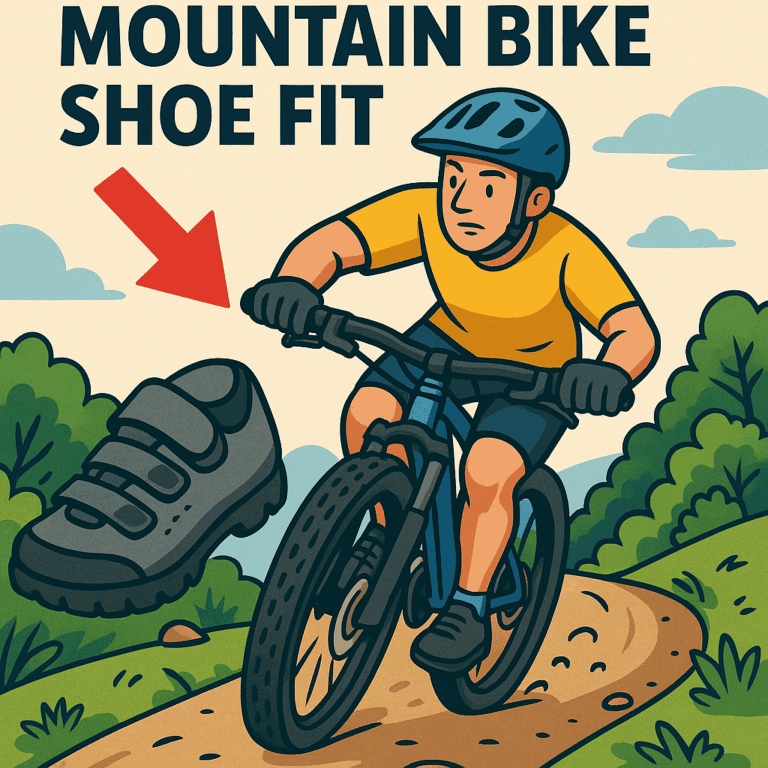
Sizing charts help, but they’re only a starting point. I’ve ridden bikes that were “my size” and felt completely wrong. Reach matters more than seat tube length for most riders.
Too long feels hard to control. Too short feels cramped. Stack height affects comfort, especially on long rides. Standover matters more than people admit, especially on technical trails.
If you’re between sizes, sizing down is often safer. You can make a bike feel bigger with cockpit adjustments, but shrinking a bike is harder. Fit equals control, not comfort alone.
5: Suspension Travel: How Much You Actually Need
I bought too much suspension once and regretted it. It felt great on rare rough descents, but most of the time it just made the bike feel slow and heavy.
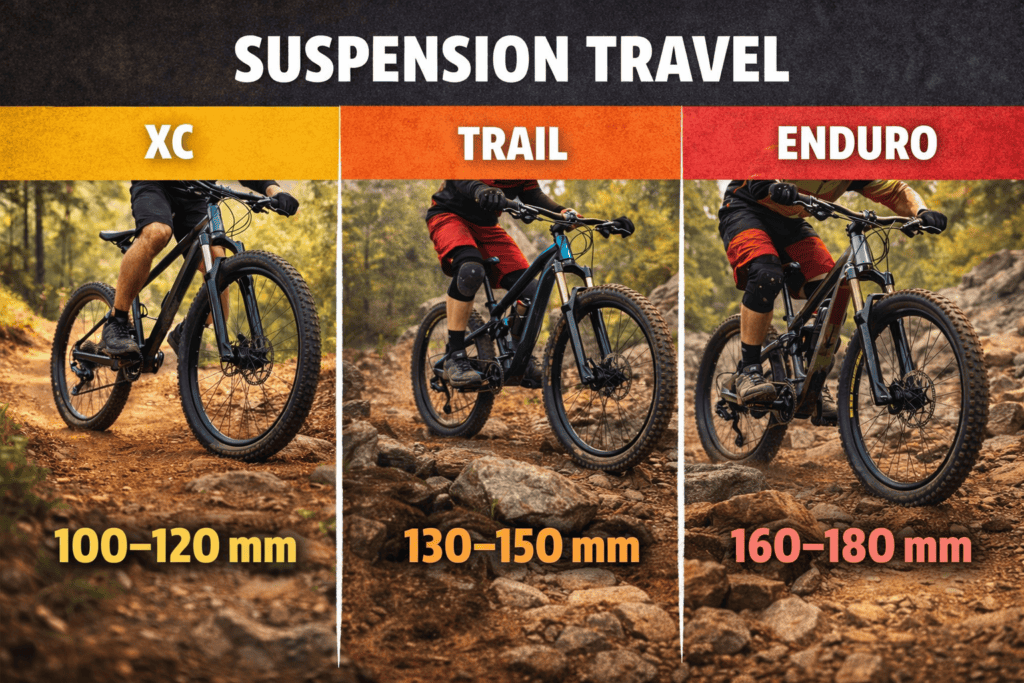
XC bikes run 100–120 mm. Trail bikes usually sit at 130–150 mm and cover most riding. Enduro bikes go bigger, but you pay for it on climbs.
Choose travel based on what you ride weekly, not what you ride once a year. Suspension that never gets used is just weight.
6: Frame Material: Aluminum vs Carbon
Carbon frames get a lot of hype, but aluminum is still excellent. I’ve ridden aluminum bikes that felt better than carbon ones because everything else was right.
Carbon saves weight and feels crisp, but it costs more. If choosing carbon forces you into worse suspension or brakes, skip it. Setup and components matter more than frame material.
7: Components That Actually Matter
People focus too much on drivetrains and not enough on brakes and tires. I’ve made that mistake.
Modern 1x drivetrains work great. You don’t need top-tier. Brakes matter more. Weak brakes kill confidence fast. Rotor size matters too.
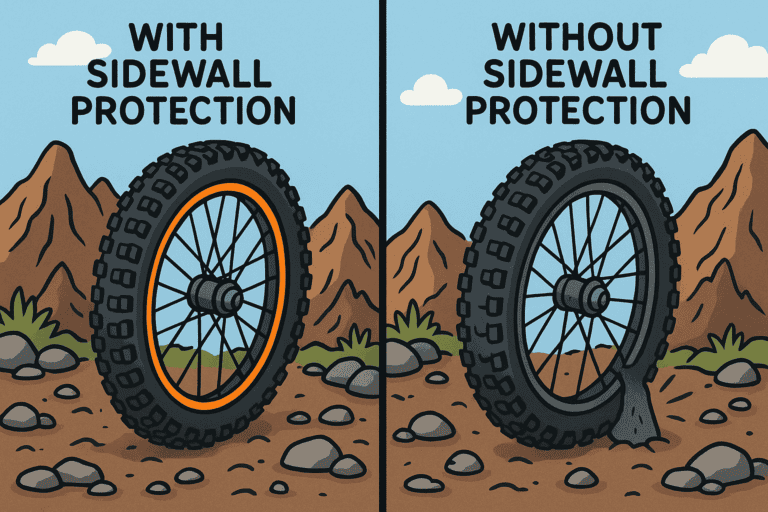
Dropper posts are essential now. Riding without one after getting used to it feels sketchy. Tires matter more than people realize. Bad tires ruin good bikes.
8: Tubeless Tires and Setup
Going tubeless was a game changer. Fewer flats, more grip, lower pressures. I won’t go back.
Tubeless does require maintenance. Sealant dries out. Carry plugs. Check sealant every few months. It’s worth it, but you have to stay on top of it.
9: Budget: Where to Spend and Where to Save
Spend money on suspension, brakes, and tires. Save on frames and drivetrains.
Entry-level bikes can be great. Mid-range bikes usually offer the best value. High-end bikes are nice, but gains are smaller.
Don’t forget gear. Pedals, helmet, tools—it adds up fast.
10: New vs Used Mountain Bikes
Used bikes can be incredible or terrible. Inspect suspension service history, pivots, and drivetrain wear.
If the seller can’t answer basic questions, walk away. A good used bike saves money. A bad one costs more than buying new.
11: Where to Buy Your Mountain Bike
Local bike shops offer fit help, setup, and service. That matters more than people think.
Direct-to-consumer bikes can offer value, but you need to be comfortable handling setup and service. Demo days and rentals are gold. Riding before buying saves regret.
Conclusion
Choosing a mountain bike isn’t about hype or trends. It’s about matching the bike to how and where you actually ride.
Get the fit right. Don’t overbike. Focus on components that affect control and safety. When the bike fits your reality, riding becomes easier, more fun, and more consistent and that’s the whole goal.